

Metal roof cost is one of the most common questions homeowners, builders, and property owners ask when planning a roofing project. Many people are interested in metal roofing because of its long-lasting strength, long lifespan, and modern appearance, but the pricing can feel unclear at first. Without understanding the manufacturing specifications that affect cost, it becomes difficult to compare options or set a realistic budget.
Metal roofing is not priced as a single flat number. Instead, the total cost depends on materials like stainless steel, roof size, profile selection, and long-term value. By understanding how metal roof cost works, you can make informed decisions that support both performance and budget goals for residential roofing and metal buildings across the US.
Average Cost of Metal Roofing
The average metal roof cost in the US typically ranges from $250 to $550 per square (one square equals 100 square feet), depending on the type of metal roofing selected and the overall scope of the project. Entry-level steel panels tend to sit at the lower end of that range, while premium metals such as copper metal roof cost or specialty profiles push toward the higher end.
In general, metal roofing costs more upfront than traditional roof shingles, but it delivers a longer service life and greater durability. Pricing is commonly calculated per square foot, which allows easier comparison between metal roof panels, materials, and styles.
Metal roof cost is also influenced by regional material availability and metal fabrication requirements. While prices vary by location and project, many homeowners and builders choose metal roofing because the long-term value consistently outweighs the initial expense.
Cost Breakdown by Roofing Material
Material selection plays a major role in determining metal roof cost. Each metal offers different benefits, performance characteristics, and pricing levels.
Steel Roofing
Steel is the most commonly chosen material for metal roofing because it combines long-lasting strength with cost-effective pricing. Falling on the lower end of the $250–$550 per square range, it is a practical option for a wide variety of roofing projects. Options such as galvanized steel and Galvalume®-coated steel offer added resistance to corrosion and weather exposure. Steel roofing is commonly used for residential roofing, agricultural buildings, and commercial metal buildings due to its reliability.
Aluminum Roofing
Aluminum metal roofing typically costs more than steel and often lands in the mid-to-upper portion of the pricing range. It is lightweight and highly resistant to moisture. Aluminum is often chosen in regions where humidity or salt exposure is a concern.
Copper Roofing
Copper is considered a high-end metal roofing option, valued for its quality, longevity, and distinctive appearance. Copper metal roof cost sits well above the standard range due to material value and manufacturing specifications. Over time, copper develops a natural patina finish and can last for decades, making it attractive for long-term projects.
Metal Roof Shingles
Metal roof shingles are designed to replicate the appearance of traditional roof shingles while providing the benefits of metal. These shingles often carry a higher cost than standard metal roof panels due to detailed metal fabrication and design processes, and generally fall toward the upper end of the $250–$550 per square range.
How Roof Size and Shape Impact Cost
Roof size directly affects metal roof cost because larger roofs require more metal roof panels, trim, and related components. A larger surface area naturally increases material usage and overall cost.
Roof shape also plays an important role. Simple roof designs with fewer slopes and transitions are more efficient in material usage. Complex roof layouts with multiple angles, valleys, and ridges require additional planning and precision forming, which can increase metal roofing cost.
Both residential roofing projects and metal buildings benefit from accurate roof measurements. Proper planning helps reduce material waste and supports cost control.
Metal Roofing Profiles and Styles
Metal roofing profiles influence appearance, performance, and pricing. Each profile is manufactured to meet different structural and visual needs.
Standing Seam Metal Roofing
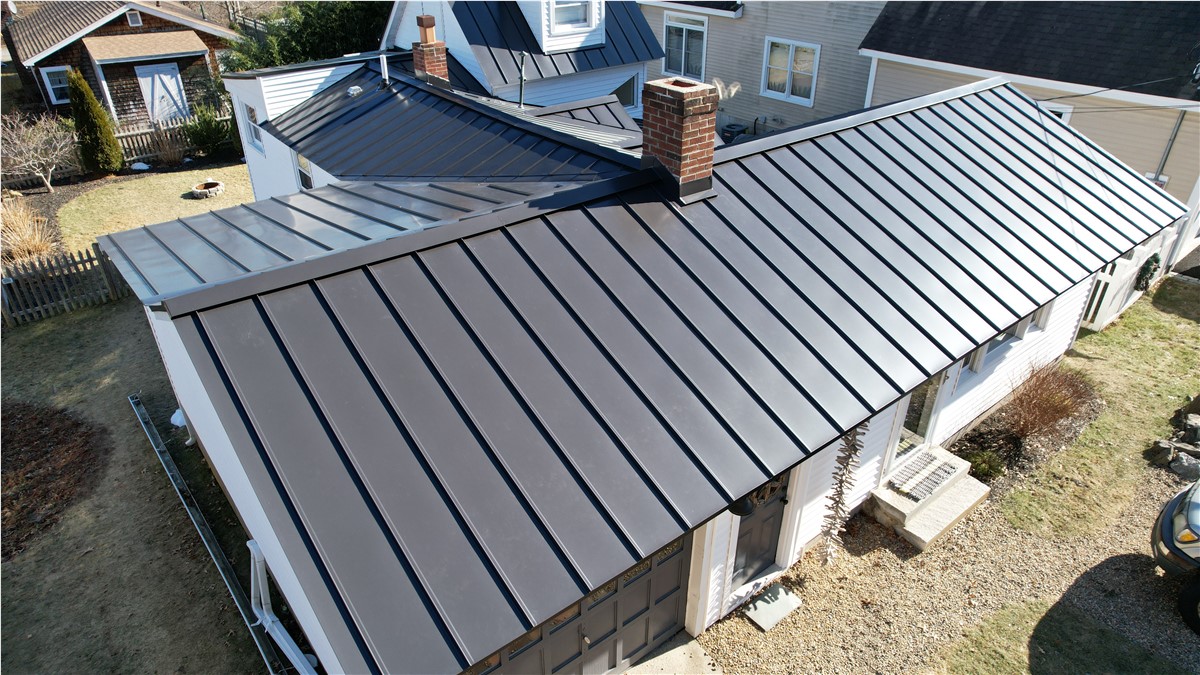
Standing seam metal roofing is recognized for its sleek appearance and modern design, making it a popular choice for contemporary roofing projects. These panels often carry a higher metal roof cost because of advanced metal fabrication and precision forming, typically landing toward the top of the $250–$550 per square range. Standing seam profiles are commonly chosen for residential roofing where a clean, modern look is preferred.
The Metal Shop 5-Rib Panels
The Metal Shop 5-Rib panels are cost-effective and versatile, making them one of the most popular choices for both metal buildings and residential roofing applications. These panels offer strong, reliable performance and a straightforward design that helps keep metal roof cost manageable — often sitting comfortably in the lower-to-mid portion of the pricing range. If you are looking for dependable coverage without unnecessary complexity, The Metal Shop 5-Rib panels are a smart starting point.
Board and Batten Metal Profiles
Board and batten metal panels provide a distinct vertical appearance. They are often selected for residential projects that seek a traditional or architectural look, and typically fall in the mid-range of metal roofing pricing.
Metal roof colors also affect pricing. Standard metal roof colors are generally more affordable, while custom finishes or specialty coatings may increase overall cost.
Longevity and Durability Cost Over Time
One of the key reasons people choose metal roofing is its long lifespan. While a metal roof cost may be higher initially, the long-term value and durability often result in lower total ownership cost.
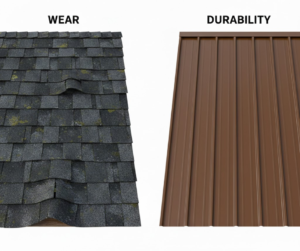
Metal roofing is designed to deliver long-term performance and can remain in service life for many decades with relatively low upkeep. This reduces the frequency of roof replacement compared to traditional roof shingles. Over time, fewer replacements translate into meaningful cost savings.
Metal roof panels are also resistant to many common issues that affect other roofing materials, such as cracking or warping. This consistent performance supports long term value for residential roofing and metal buildings alike.
Comparing Metal Roofing to Other Roofing Options
When comparing metal roofing to traditional roof shingles, cost differences become clearer when viewed over time rather than up front.
Roof shingles typically cost less initially but require replacement more often — often every 15 to 25 years. Metal roofing, priced in the $250–$550 per square range, costs more upfront but offers a service life that can exceed 40 to 50 years with proper maintenance.
For homeowners planning long-term ownership, metal roofing often provides stronger value. This is especially true in areas exposed to harsh weather, heavy snow loads, or significant temperature changes — all conditions common across Michigan and much of the US.
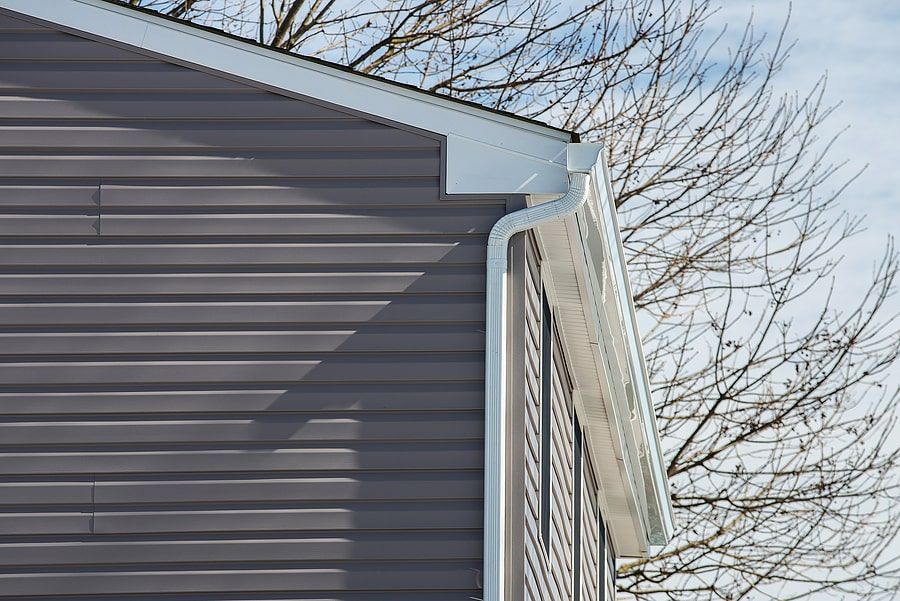
Metal roofing is also commonly paired with metal siding to create a cohesive exterior system, which can support consistent performance and appearance across the entire structure.
Additional Factors That Influence Metal Roof Cost
Several other factors can influence metal roof cost beyond materials and roof size.
Geographic location may affect pricing due to transportation and supply considerations. Custom metal fabrication requirements can also increase cost, depending on the roof design and specifications.
For agricultural or structural projects, products such as metal pole barn kits can provide an efficient solution. These kits simplify material planning and help control costs for metal buildings.
Selecting the right metal roofing system requires balancing budget, design goals, and long-term performance expectations.
Please note: The Metal Shop is a dedicated manufacturing partner. We do not provide installation services. All installation is handled by your contractor.
Planning Your Metal Roofing Budget
Planning ahead is essential when evaluating metal roof cost. A realistic starting point is budgeting $250 to $550 per square for materials, then factoring in roof complexity, profile selection, and any custom metal fabrication needs.
Rather than focusing only on upfront cost, consider long-term value, durability, long lifespan, and performance. Metal roofing often delivers value through reduced replacement cycles and consistent reliability over decades of use.
Working with an experienced metal supplier ensures accurate manufacturing specifications, dependable quality, and timely delivery. This supports smoother project planning and better budget control.
FAQs
-
How much does metal roofing cost per square foot?
Metal roof cost typically ranges from $250 to $550 per square (100 sq ft), depending on material type and panel profile. Steel roofing and The Metal Shop 5-Rib panels are generally the most affordable, while copper metal roof cost and specialty profiles cost more.
-
Is copper roofing worth the cost?
Copper metal roof cost has a higher initial investment that exceeds the standard pricing range, but its exceptionally long lifespan and durability make it a strong option for long term projects where longevity is the priority.
-
Does roof size affect metal roofing cost?
Yes. Larger roofs require more metal roof panels and components, which increases the total cost. Roof shape and complexity also influence material usage and overall pricing.
-
Do you offer installation for these materials?
No. We do not provide installation services. The Metal Shop focuses exclusively on the fabrication and supply of high-quality metal components. Installation is handled by your contractor.