
When you look at the skyline of a Michigan city or the sturdy frame of a new pole barn in the countryside, you are looking at the results of expert metal fabrication. This essential manufacturing process is the backbone of modern construction and infrastructure. It involves more than cutting steel; it is a sophisticated craft that transforms raw materials into precise components used in everything from roofing systems to industrial machinery. For contractors and builders across Michigan, understanding these fundamentals is the first step toward ensuring a project is durable, efficient, and built to last.
What Is Metal Fabrication and Why Does It Matter?
At its heart, metal fabrication is all about bringing structures to life through cutting, bending, and assembly. It is a value-added manufacturing process where raw materials are transformed into the machines and frames we rely on every day. Sheet metal fabrication stands out as a go-to method for everything from heavy-duty roofing panels to vital structural components. While machining is usually about carving a shape out of a solid block, the fabrication process is more about shaping structural steel or sheet metal into exactly what you need.
This approach is a game-changer because it is built around customization. In the Michigan construction world, a “one size fits all” mentality just doesn’t cut it. Whether you are tackling a residential roof or a massive agricultural building, you need parts that fit your specific measurements perfectly. High-quality metal manufacturing ensures that every single beam, panel, and piece of trim is crafted for structural integrity, giving your build the grit to handle our unpredictable local weather.
Common Types of Metal Fabrication Processes
The journey from a flat sheet of steel to a finished product involves several distinct techniques. While there are many specialized methods, most industrial metal fabrication falls into a few primary categories:
- Cutting: This is often the first step. Modern shops use advanced tools like plasma cutters or water jets to achieve high precision.
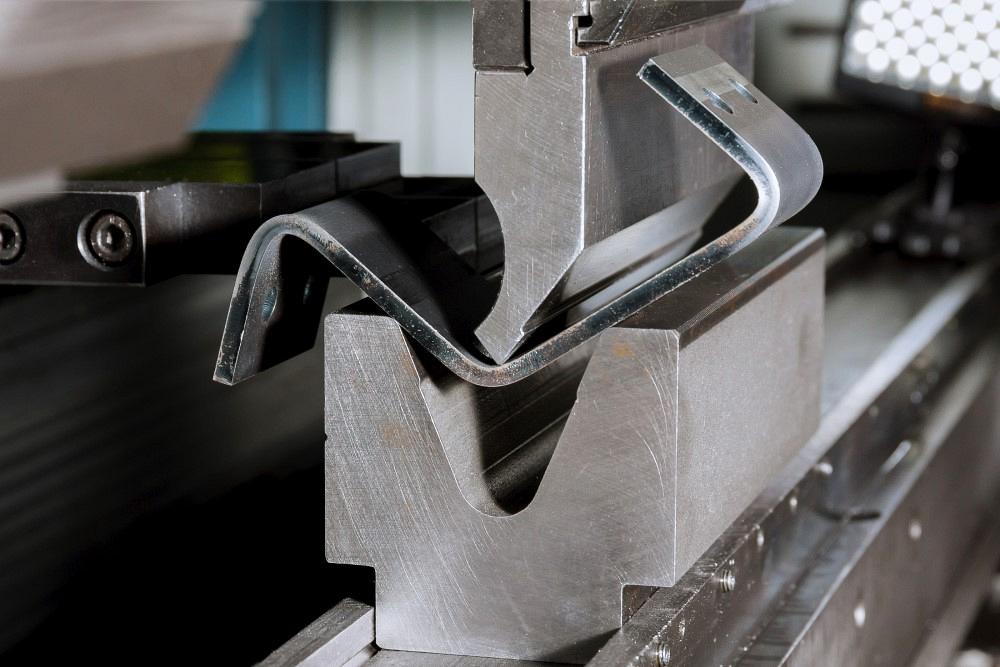
- Bending: Using press brakes, fabricators create angles in the metal. This is crucial for creating items like different types of metal roofing and custom trim.
- Welding: This is the process of joining two separate metal parts using heat and pressure. It is the most common way to assemble structural steel fabrication components.
- Punching and Drilling: These techniques create necessary holes for fasteners or assembly points, ensuring the fabricated metal products are ready for the contractor to use on-site.
Materials Commonly Used in Metal Fabrication
The choice of material is just as important as the process itself. Different metals offer varying levels of strength, weight, and corrosion resistance.
- Steel: By far the most popular choice for structural applications and pole barn structures due to its immense strength.
- Aluminum: Valued for being lightweight and naturally resistant to rust, making it excellent for specific roofing accents or trim.
- Stainless Steel: Often used in environments where hygiene or extreme corrosion resistance is required.
- Copper: Frequently utilized in high-end architectural metalworking for its unique aesthetic and longevity.
In Michigan, galvanized or galvalume steel is frequently the standard for exterior applications because it offers a protective coating that prevents the metal from rusting when exposed to snow and rai, which is why many builders compare galvalume and galvanized steel for roofing applications.
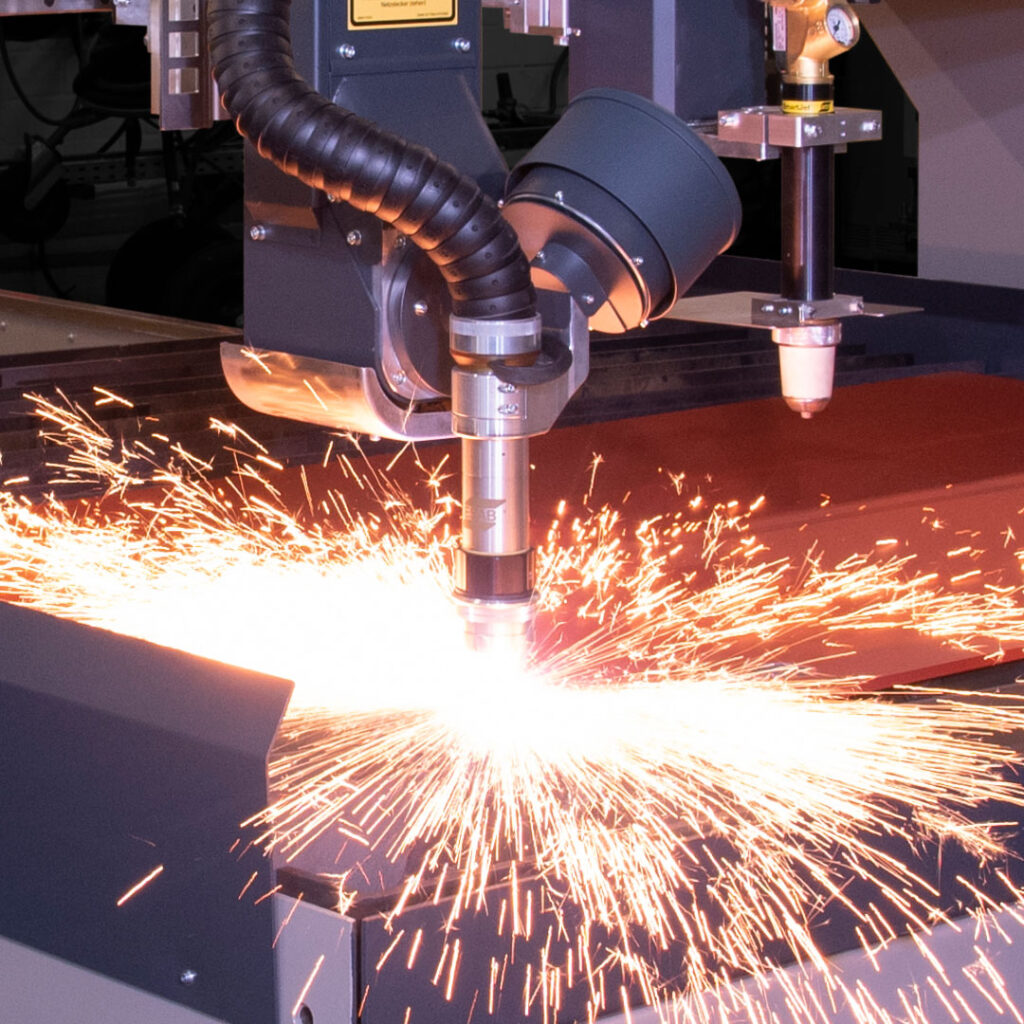
Essential Metal Fabrication Tools and Equipment Used in Modern Fabrication Shops
A professional shop relies on heavy-duty machinery to maintain precision and consistency. You cannot achieve the tolerances required for modern construction with hand tools alone.
- Press Brakes: These massive machines are used for metal-forming techniques. They apply tons of pressure to bend sheet metal at exact angles.
- Shears: Think of these as industrial-strength scissors used to cut long sheets of metal into smaller, manageable sizes.
- CNC Machines: Computer Numerical Control technology allows fabricators to program exact dimensions into a computer, which then guides the cutting or punching tools with robotic accuracy.
- Roll Formers: These are essential for creating long, continuous panels, such as the 5-rib profiles used in many local buildings. If you are preparing for a project, knowing how to square up 5-rib metal roofing is a vital skill for your installation team.
Step-by-Step Overview of the Metal Fabrication Process
Understanding the metal manufacturing process helps contractors plan their timelines more effectively. While every job is unique, most follow this general flow:
- Design and Partitioning: The process begins with a blueprint or a CAD drawing. This stage defines the measurements and the type of metal required.
- Material Selection: The shop selects the appropriate gauge and type of metal based on the design requirements.
- Cutting and Shaping: Using the tools mentioned above, the raw metal is cut to size and bent into the required profiles.
- Assembly and Joining: If the project requires multiple parts to be connected, welding or mechanical fastening takes place in the shop.
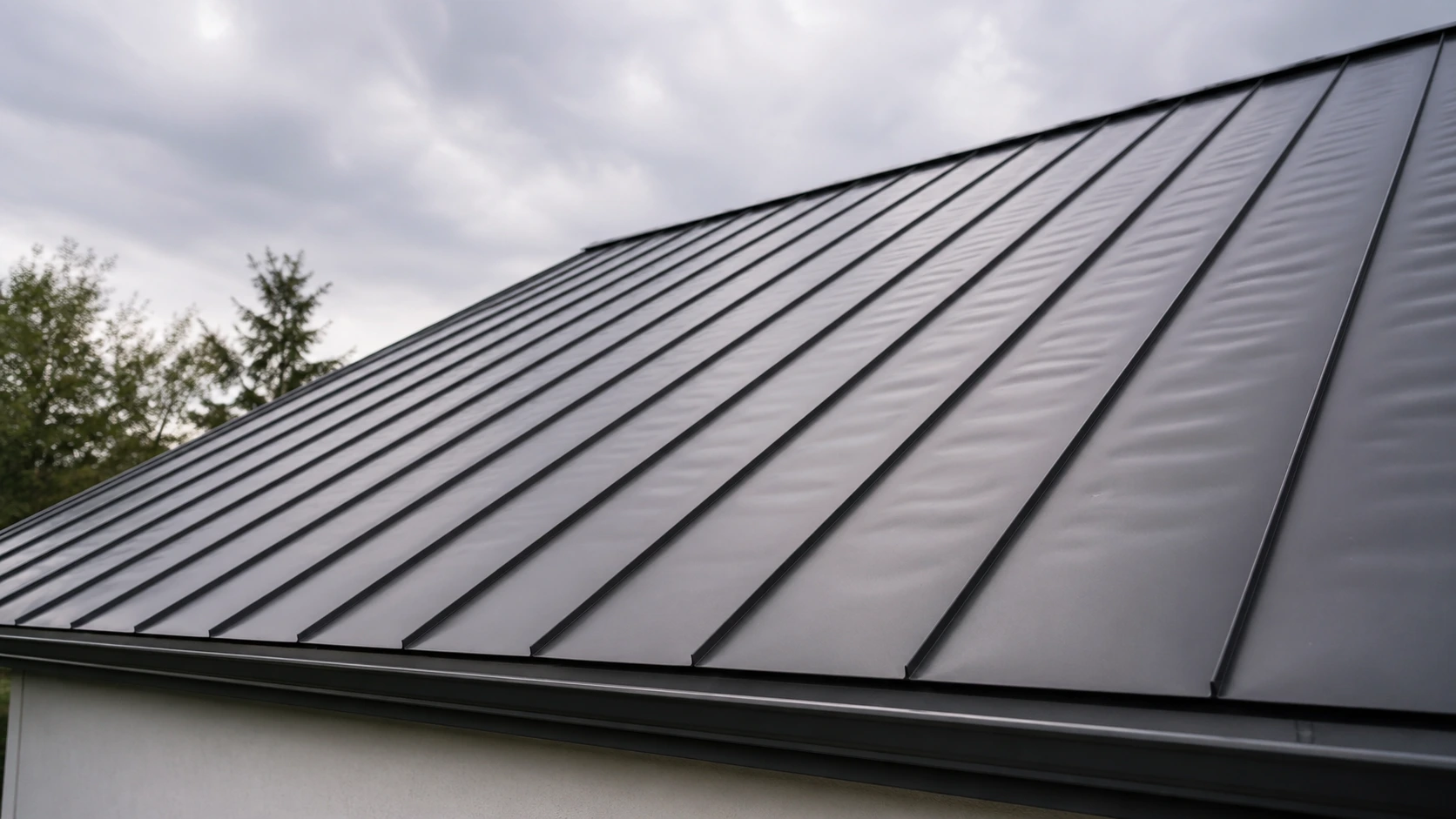
- Finishing: This may include painting, powder coating, or applying specialized textures. For example, many clients now prefer the benefits of textured metal roofing systems for their durability and matte appearance.
- Quality Control: Every piece is inspected to ensure it matches the original specifications before it is shipped out.
Applications of Custom Metal Fabrication in Construction, Roofing, and Pole Barns
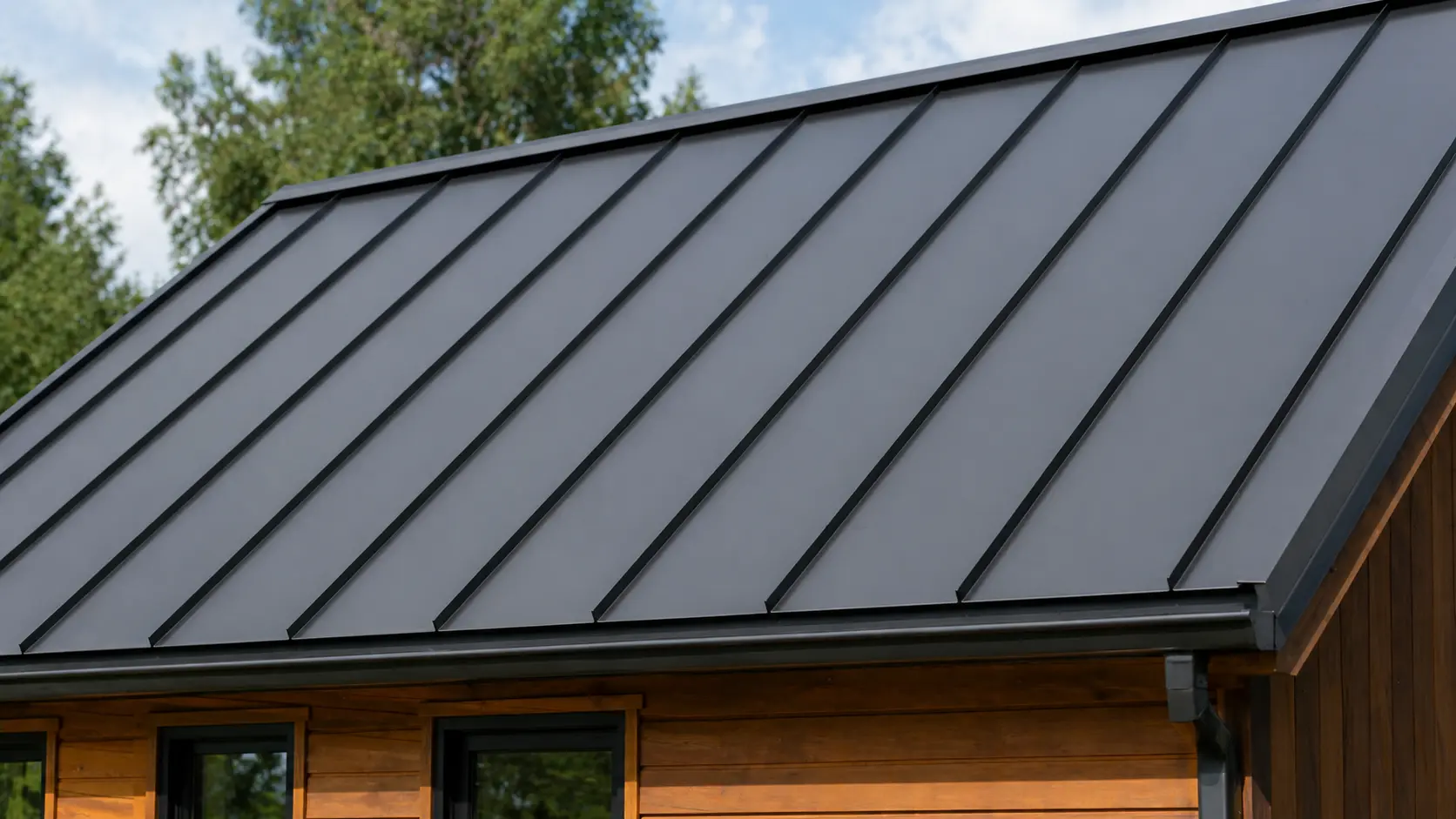
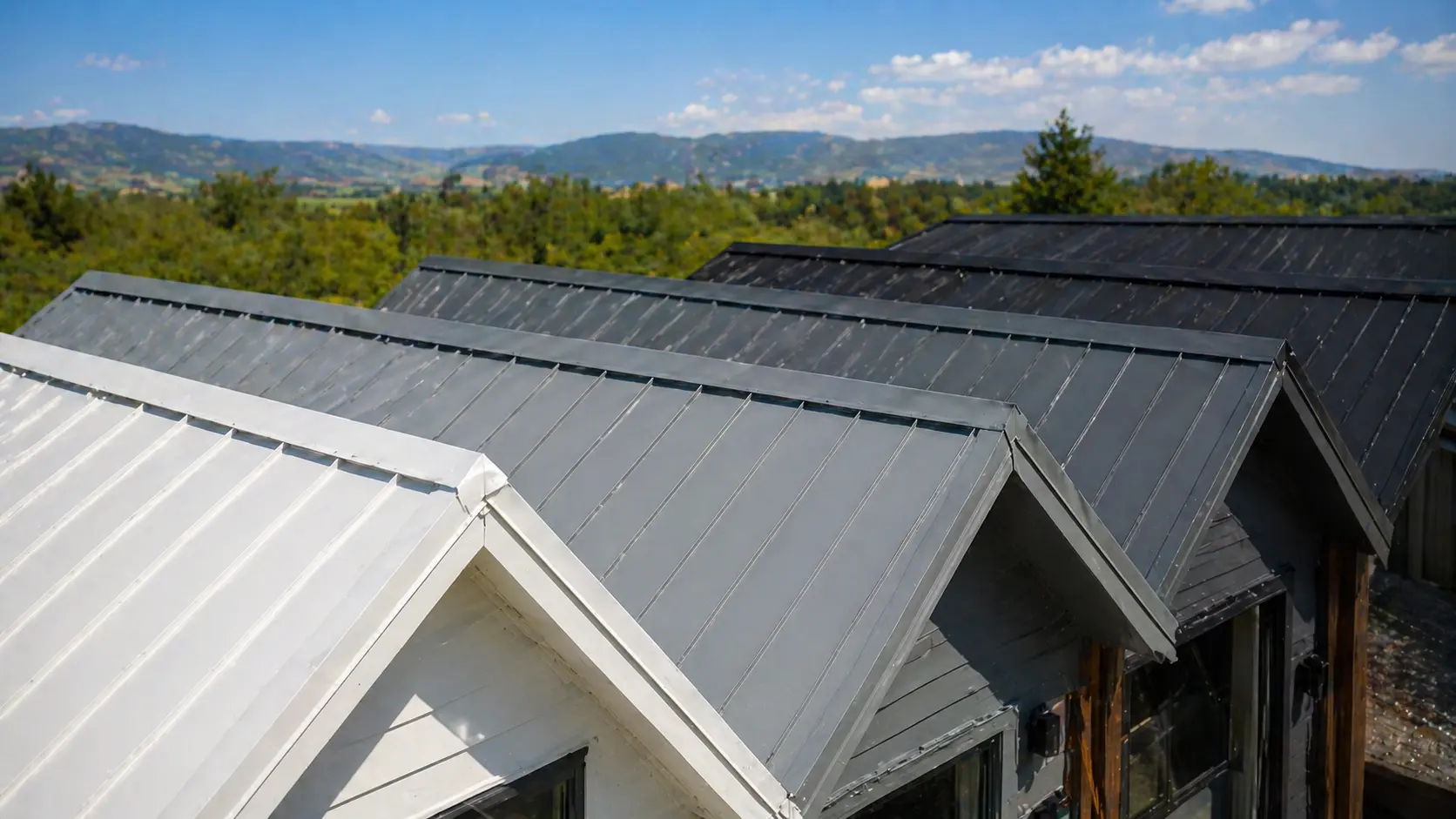
Custom metal fabrication is what makes modern architecture possible. In the residential sector, custom-fabricated panels provide a sleek, modern look that lasts for decades. In the agricultural sector, pole barn structures rely on heavy-duty fabricated trusses and siding to protect equipment and livestock.
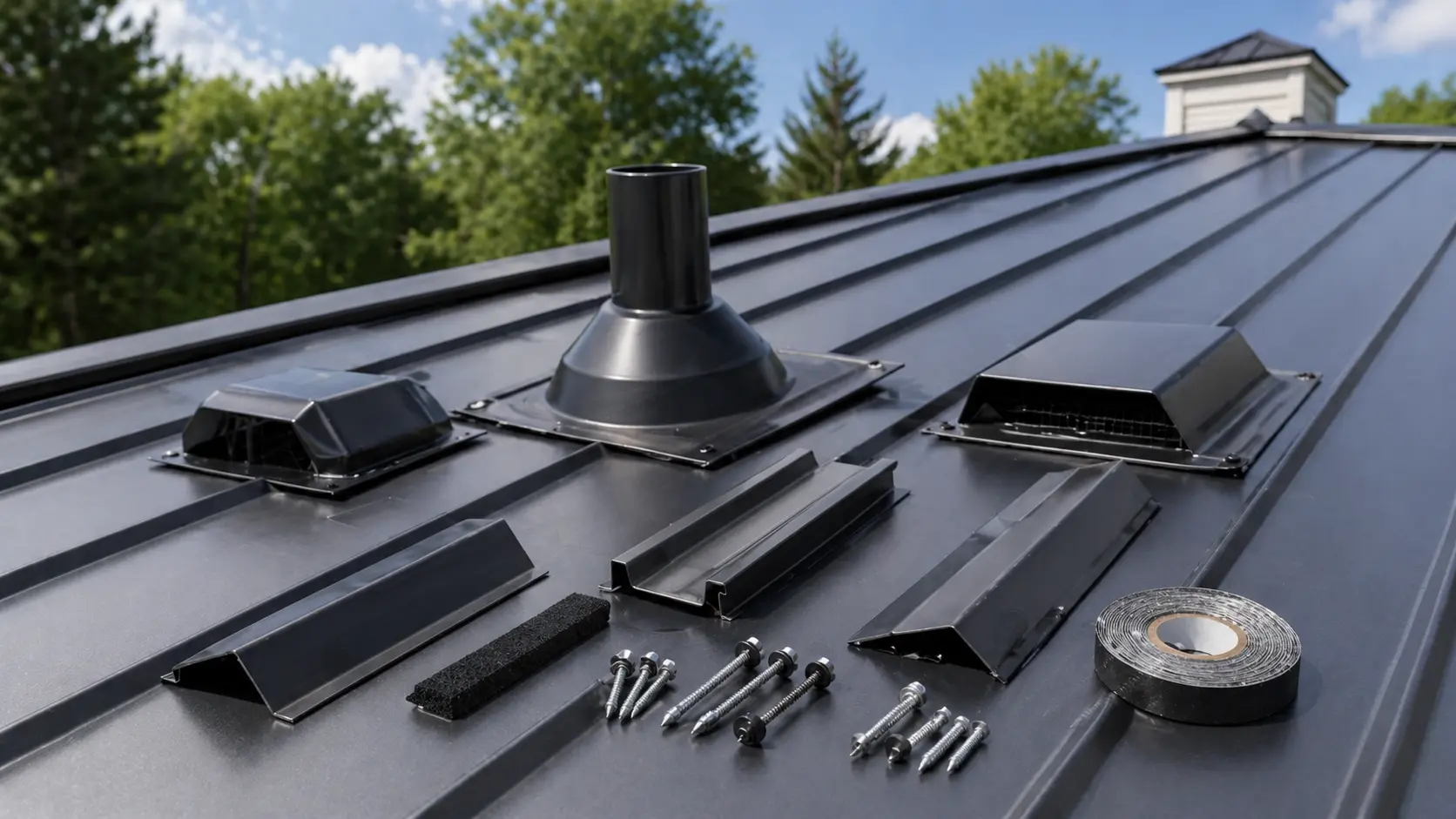
For roofing, fabrication allows for the creation of custom valleys, ridges, and flashing that provide a watertight seal. Because every building has slightly different dimensions, custom-made components ensure a much better fit than mass-produced, off-the-shelf alternatives. By choosing a dedicated fabrication partner, builders receive materials that are ready to be installed by their crews without the need for extensive on-site modifications.
FAQ
What is metal fabrication in simple terms?
Metal fabrication is the process of turning raw metal into finished parts or structures through cutting, bending, and assembling.
What are the main steps in the metal fabrication process?
The main steps include design, cutting, forming (bending), joining (welding), and finishing.
What metals are most commonly used in fabrication?
Steel, aluminum, stainless steel, and copper are the most frequently used materials in the industry.
What industries rely on metal fabrication?
Construction, aerospace, automotive, agriculture, and energy industries all rely heavily on fabricated metal components.
What is the difference between metal fabrication and machining?
Fabrication is the process of creating a structure out of various parts and sheets, while machining is the process of cutting away material from a solid piece to create a shape.
Important Notice: The Metal Shop focuses exclusively on fabrication and manufacturing. Installation is handled by your contractor.
Partner With Michigan’s Fabrication Experts
At The Metal Shop, we take pride in being a premier manufacturing partner for contractors, builders, and DIYers across Michigan. We specialize in high-quality metal manufacturing, providing the precision components you need to bring your project to life. Whether you need structural steel components, custom trim, or specialized roofing panels, our shop is equipped to deliver excellence.
Our team focuses on the art of production, ensuring that every piece that leaves our facility meets the highest standards of durability and accuracy. If you are ready to start your next project with professional-grade materials, contact us today to discuss your requirements.
Explore our other resources to learn more about the best materials for your build or to dive deeper into the world of professional metal fabrication.