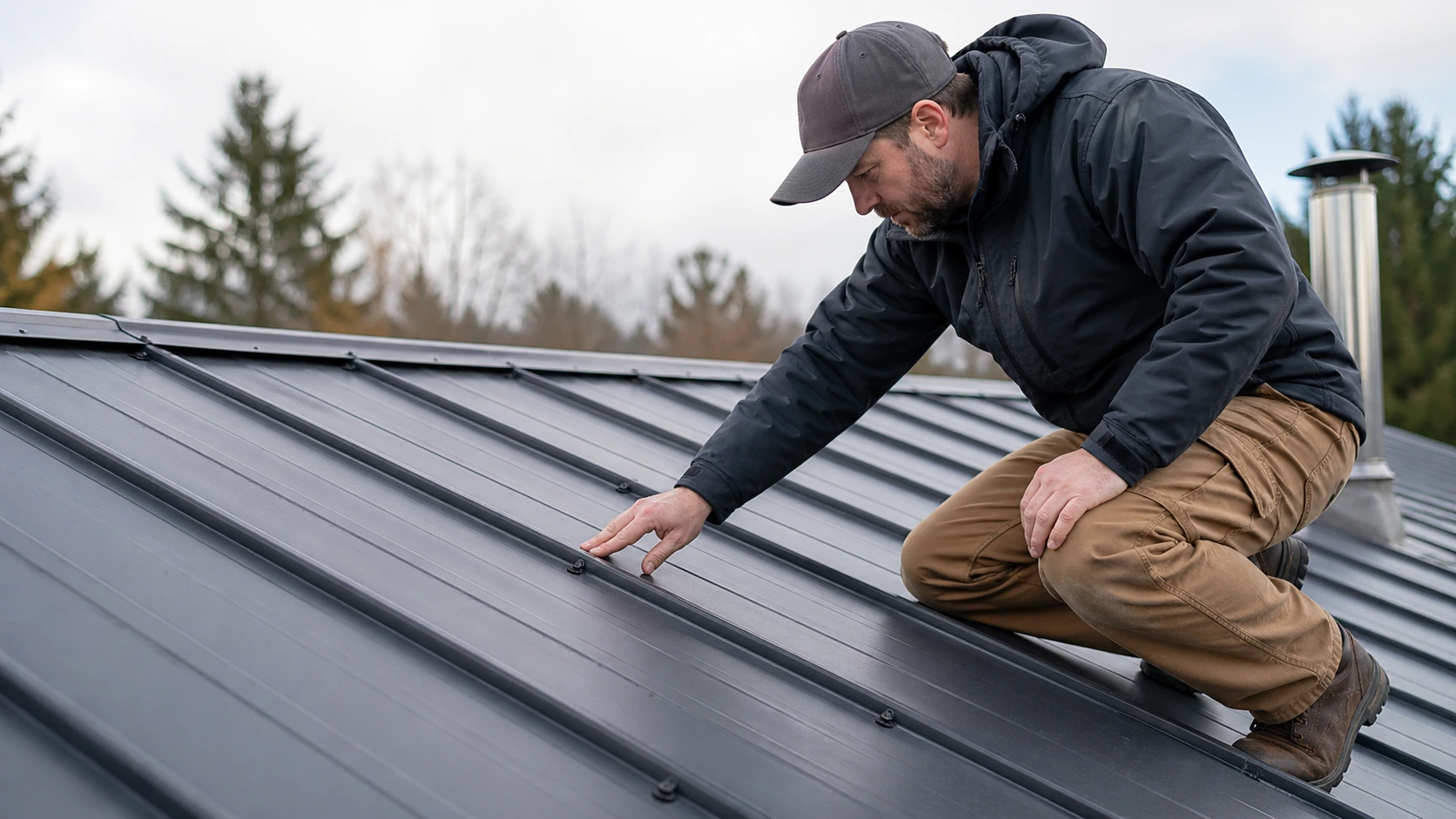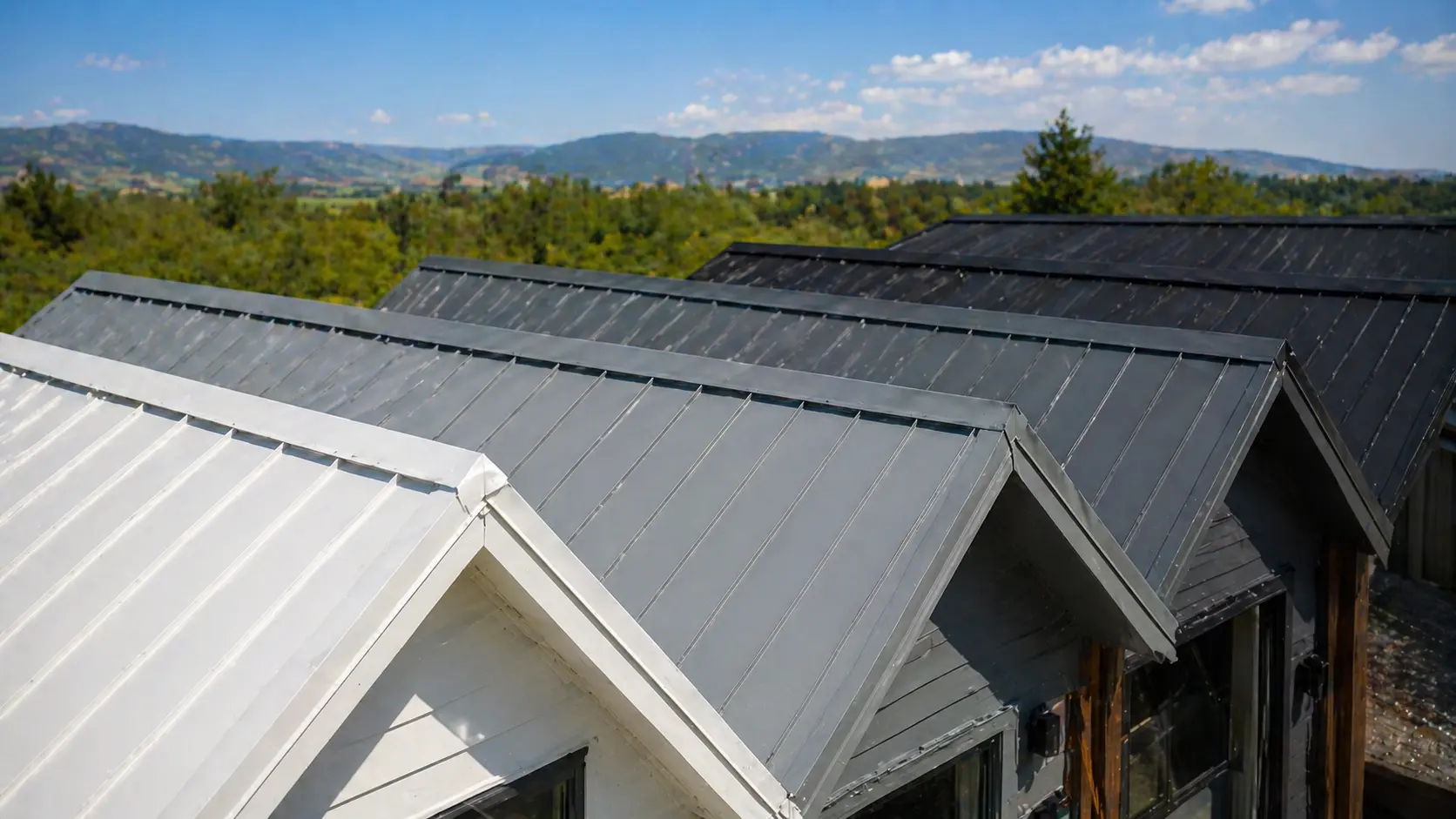

When investing in a metal roof, most property owners expect a clean and uniform appearance that lasts for years. However, after installation, some notice slight waviness or visible distortions on the surface of the panels. This often leads to concern and confusion, especially when the roof is brand new. This visual effect is known as metal roof oil canning, and it is one of the most commonly misunderstood aspects of metal roofing. If you are evaluating materials like metal roofing panels, understanding this phenomenon early can help set realistic expectations and avoid unnecessary concerns.
The issue becomes more confusing because oil canning is often mistaken for a defect or manufacturing flaw. Many buyers assume that any visible irregularity indicates poor quality, which is not always the case. In reality, oil canning is typically a visual condition that does not affect the structural performance of the panel. The Metal Shop LLC manufactures and supplies metal roofing products with precision and consistency, and understanding how oil canning occurs helps buyers distinguish between appearance and actual performance.
What Is Metal Roof Oil Canning
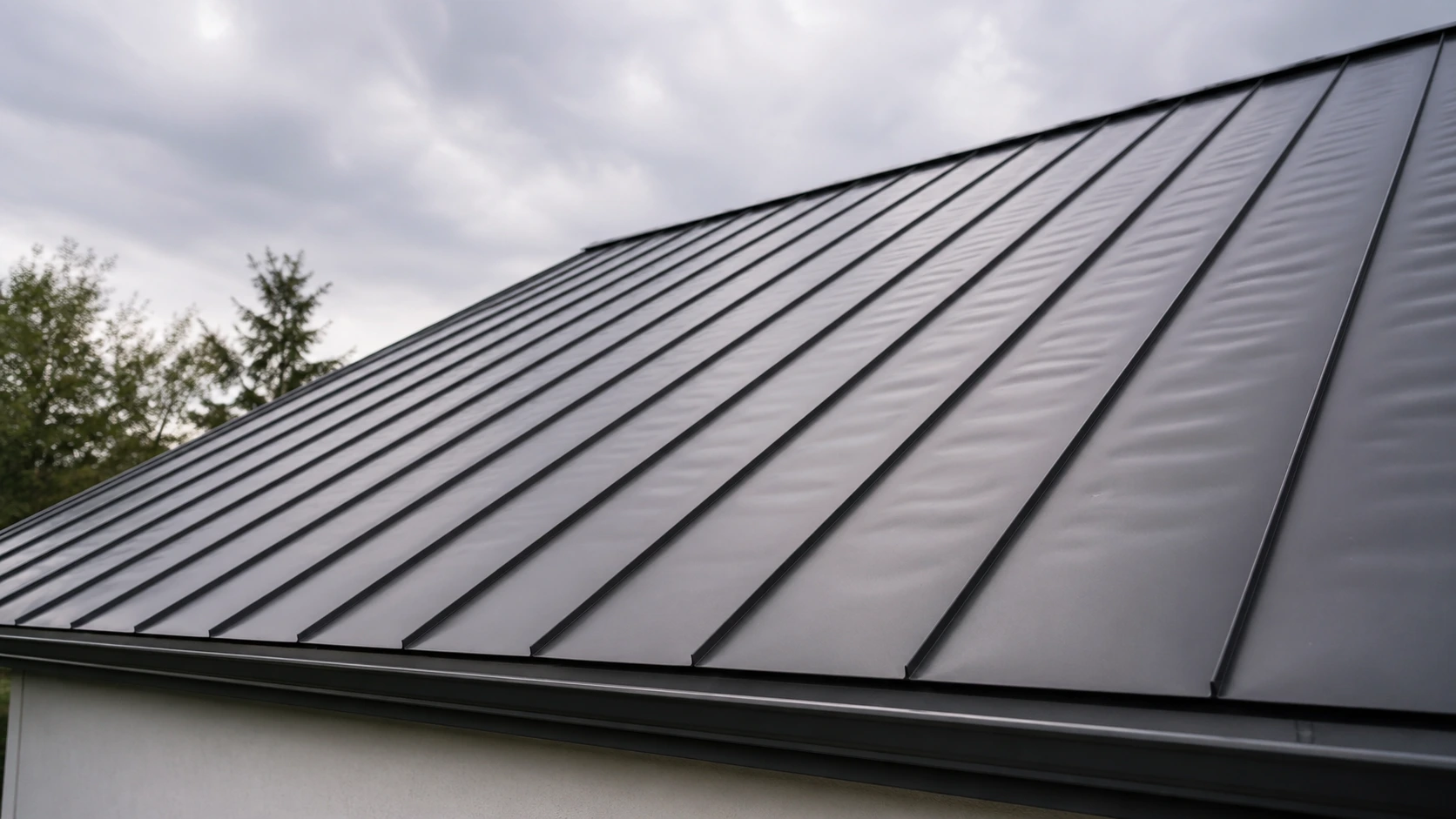
Metal roof oil canning refers to a visible waviness or slight distortion that appears on flat areas of metal panels. It is most noticeable under certain lighting conditions or when viewed from specific angles.
This effect occurs because metal is a flexible material that responds to stress, temperature changes, and manufacturing processes. Even when panels are produced with high precision, slight variations can still appear on the surface. These variations are usually cosmetic and do not impact the durability or function of the roofing system.
Why Does Oil Canning Happen
Oil canning can occur due to several factors related to material behavior and environmental conditions. Metal expands and contracts with temperature changes, which can create slight stress within the panel surface.
Manufacturing processes also play a role, as the way metal is formed and handled can influence its final appearance. In addition, structural factors such as panel design and flat surface areas can make oil canning more noticeable. Understanding these causes helps explain why the effect can appear even in high-quality products.
Is Oil Canning a Defect
One of the most common questions is whether oil canning should be considered a defect. In most cases, it is not classified as a defect because it does not affect the strength or performance of the panel.
Industry standards generally recognize oil canning as a visual characteristic rather than a flaw. This means that while it may affect appearance, it does not reduce the functionality of the roofing system. Knowing this distinction helps buyers focus on performance rather than purely visual concerns.
Key Factors That Influence Oil Canning
Several factors can influence the visibility and extent of oil canning in metal panels.
- Panel design and width, especially flat areas without ribs
- Material thickness and flexibility of the metal
- Manufacturing processes and handling methods
- Temperature changes and environmental exposure
- Lighting conditions that highlight surface variations
These factors work together to determine how noticeable the effect will be.
Panel Design and Its Impact
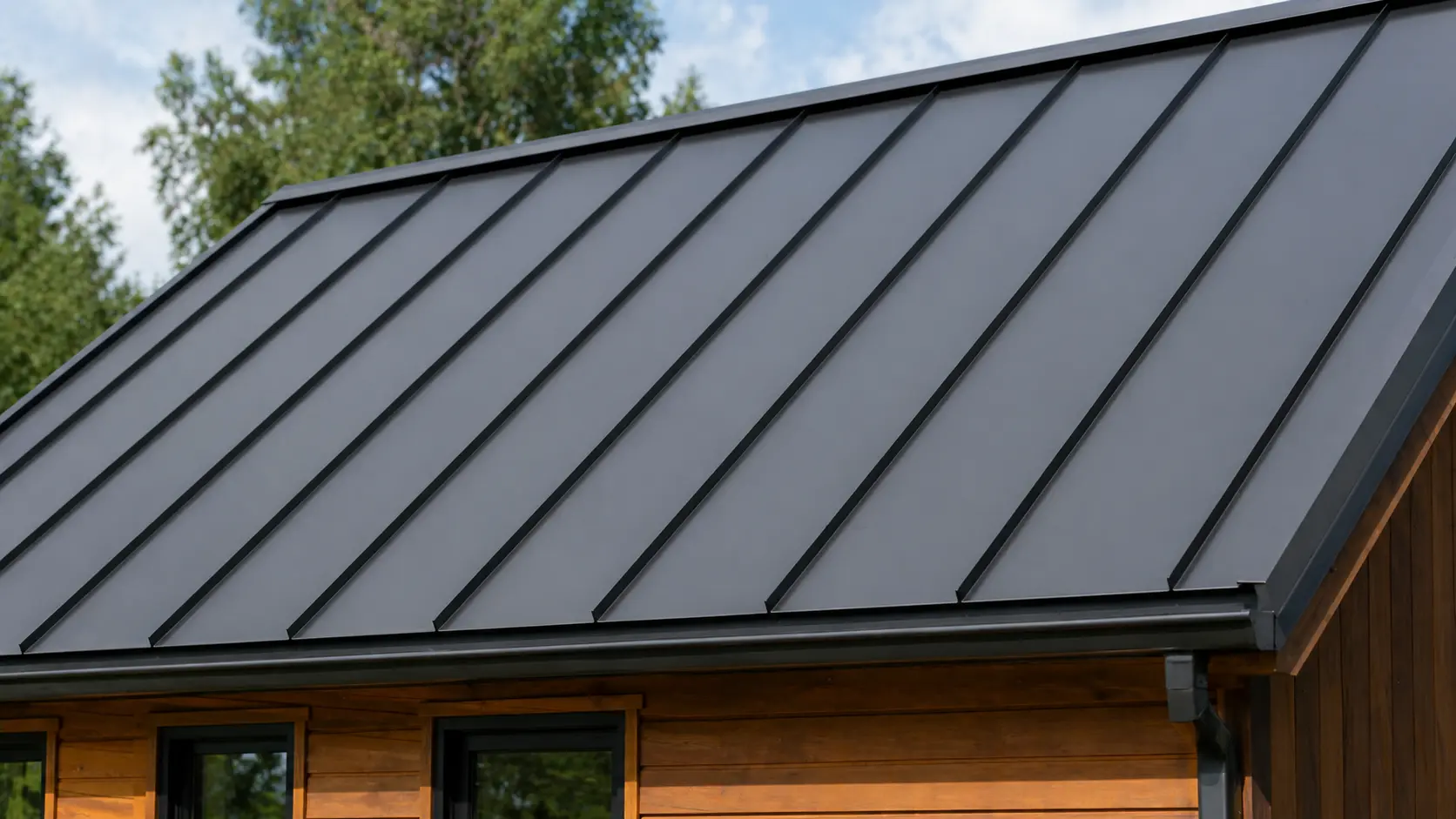
Panel design plays a significant role in how oil canning appears. Panels with wide, flat surfaces are more likely to show visible waviness because there is less structural variation to break up the surface.
Profiles with ribs or textured patterns tend to reduce the visibility of oil canning. This is because the design distributes stress more evenly across the panel. Choosing the right panel profile can help manage expectations and improve overall appearance.
Role of Material Thickness
Material thickness also affects how metal panels respond to stress. Thicker panels generally provide more rigidity, which can reduce the visibility of oil canning.
However, even thicker materials can show slight variations depending on environmental conditions and panel design. Understanding this helps buyers select materials that balance strength and appearance.
How Lighting Affects Visibility
Lighting plays a major role in how oil canning is perceived. Under direct sunlight or certain angles, even minor surface variations can become more noticeable.
In different lighting conditions, the same panel may appear completely uniform. This is why oil canning is often described as a visual effect rather than a structural issue. Recognizing the role of lighting helps set realistic expectations.
Common Misconceptions About Oil Canning
Many people assume that oil canning indicates poor manufacturing or low-quality materials. This is not always true, as even well-manufactured panels can show slight waviness.
Another misconception is that oil canning will worsen over time. In most cases, it remains consistent and does not impact the lifespan of the roof. Understanding these misconceptions helps reduce unnecessary concern.
Why Manufacturing Quality Still Matters
While oil canning is not considered a defect, manufacturing quality still plays an important role in minimizing its visibility. Precision in roll-forming and handling helps reduce internal stress within the panels.
Consistent production processes ensure that panels maintain uniform dimensions and coating quality. Choosing a manufacturer that focuses on precision helps achieve better overall results and a more consistent appearance.
Supporting Components and System Consistency
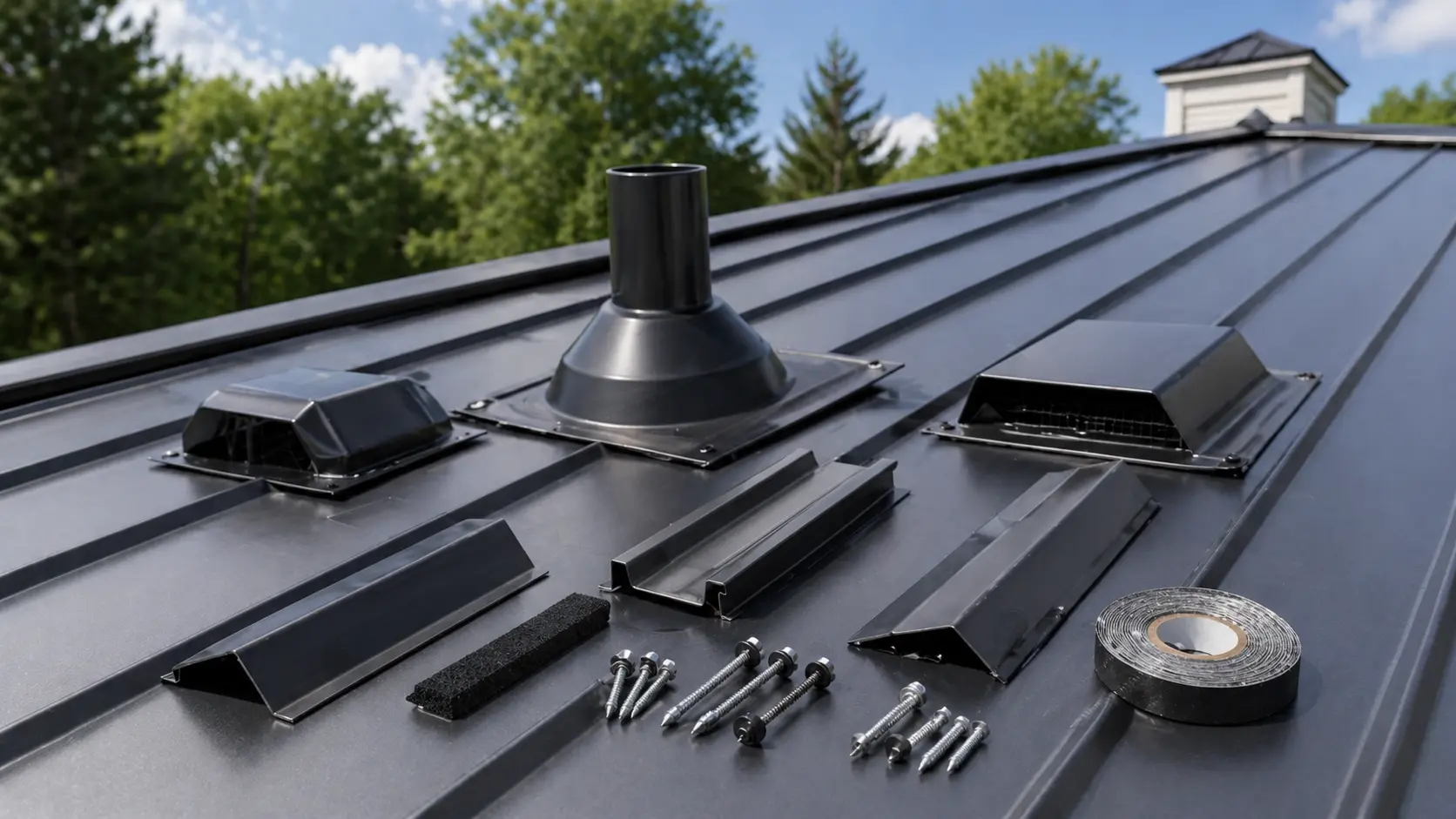
A complete roofing system includes more than just panels. Supporting components such as trims and accessories also contribute to overall appearance and performance.
Ensuring compatibility between panels and components helps maintain a consistent look across the structure. Exploring options like roofing accessories can help you find matching elements that align with your selected panels.
How to Set Realistic Expectations
Understanding oil canning helps buyers approach metal roofing with realistic expectations. Since it is a natural characteristic of metal, slight surface variations should be expected in certain conditions.
Focusing on material quality, panel design, and manufacturing consistency helps ensure that the roofing system performs as intended. This approach allows buyers to prioritize durability and long-term value over minor visual variations.
Conclusion
Metal roof oil canning is a common visual characteristic that often raises questions among property owners. While it may affect appearance under certain conditions, it does not impact the strength or performance of the roofing system.
The Metal Shop LLC manufactures and supplies metal roofing products with a focus on precision and consistency. By understanding what oil canning is and why it occurs, you can make informed decisions and focus on choosing materials that deliver long-term reliability.
FAQs
What is metal roof oil canning
It is a visible waviness or distortion on flat areas of metal panels that appears under certain conditions.
Is oil canning a defect
No, it is generally considered a visual characteristic and does not affect performance.
What causes oil canning
It can be caused by material stress, temperature changes, panel design, and lighting conditions.
Can oil canning be completely avoided
It cannot be completely eliminated but can be minimized through design and manufacturing quality.
Does oil canning affect durability
No, it does not impact the strength or lifespan of the roofing system.
Does The Metal Shop LLC provide installation services
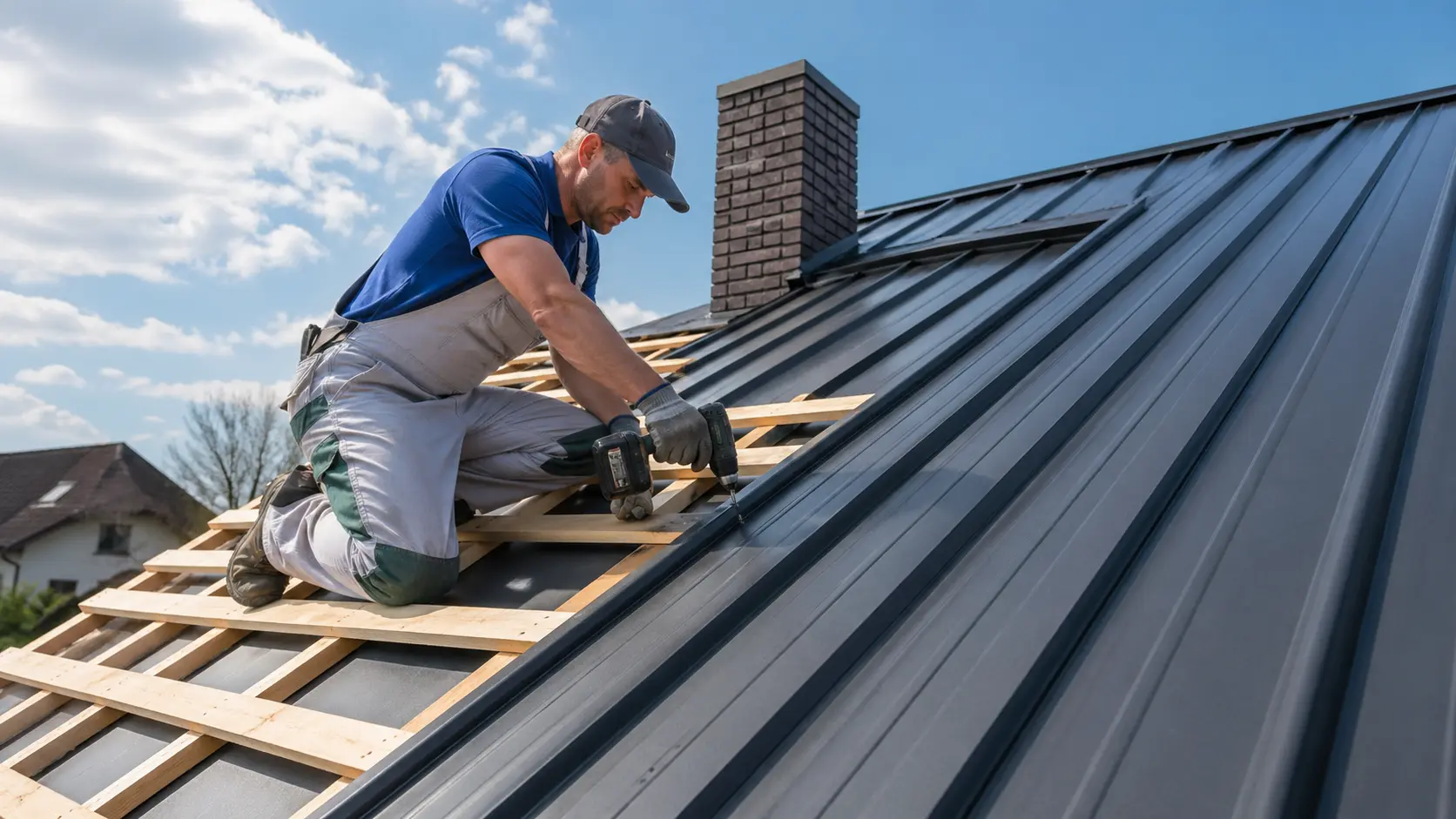
The Metal Shop LLC manufactures and supplies metal roofing products. Installation is handled by your contractor.