
Choosing the right metal for roofing can feel confusing, especially when both options seem similar at first glance. Many property owners and contractors struggle to understand the difference between Galvalume vs galvanized steel, which often leads to uncertainty during the selection process. Both materials are widely used in roofing systems, but they perform differently depending on conditions and project requirements. If you are evaluating options like metal roofing panels, understanding how these materials compare can help you make a more informed decision.
Another challenge is knowing which material will provide better long-term value. Some buyers focus on initial cost, while others prioritize durability and resistance to environmental exposure. Without a clear comparison, it becomes difficult to determine which option is more suitable. The Metal Shop LLC manufactures and supplies metal roofing products using reliable materials, and understanding the differences between Galvalume and galvanized steel helps ensure that the selected material aligns with your project goals.
What Is Galvanized Steel
Galvanized steel is a type of steel coated with a layer of zinc. This coating acts as a protective barrier that helps prevent corrosion and surface damage. The zinc layer protects the steel by reacting with environmental elements before the base material is affected.
This type of steel has been used for many years in construction due to its reliability and availability. It performs well in a variety of conditions, making it a common choice for roofing and structural applications.
What Is Galvalume Steel
Galvalume steel is coated with a combination of aluminum, zinc, and silicon. This blend creates a protective layer that offers both corrosion resistance and heat reflectivity. The aluminum content helps improve durability, while the zinc provides additional protection.
This combination allows Galvalume steel to perform differently compared to traditional galvanized steel. It is often selected for projects where long-term performance and resistance to environmental exposure are important factors.
Key Differences Between Galvalume vs Galvanized Steel
Understanding the main differences between these two materials helps buyers evaluate their options more effectively.
- Galvanized steel uses a zinc coating, while Galvalume uses a mix of aluminum, zinc, and silicon
- Galvalume offers improved resistance to corrosion in many environments
- Galvanized steel performs well in standard conditions but may vary in certain exposures
- Galvalume tends to reflect heat more effectively due to its aluminum content
- Both materials are widely used but serve different performance needs
These differences highlight how each material fits specific applications.
Corrosion Resistance Comparison
Corrosion resistance is one of the most important factors when choosing roofing materials. Galvalume steel generally provides stronger resistance to corrosion due to its aluminum-based coating.
Galvanized steel also offers protection through its zinc layer, but its performance can vary depending on environmental conditions. Understanding how each material responds to exposure helps buyers select the right option for their location and project type.
Heat Reflectivity and Energy Performance
Heat reflectivity plays a role in how roofing materials perform over time. Galvalume steel reflects heat more effectively because of its aluminum content. This can help reduce heat absorption on the surface.
Galvanized steel, while still functional, may not offer the same level of reflectivity. This difference can influence overall performance, especially in areas with higher exposure to sunlight.
Appearance and Finish
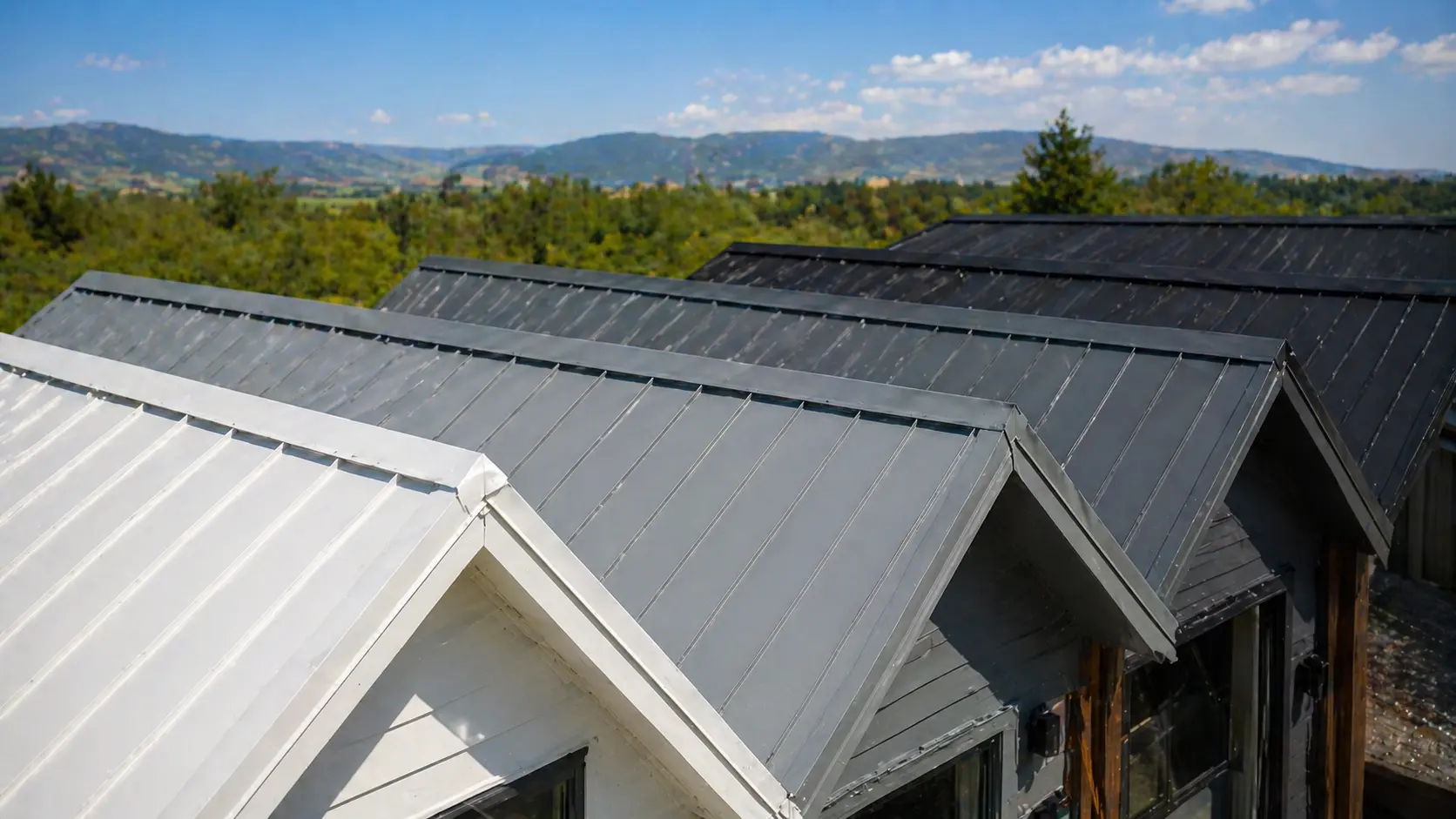
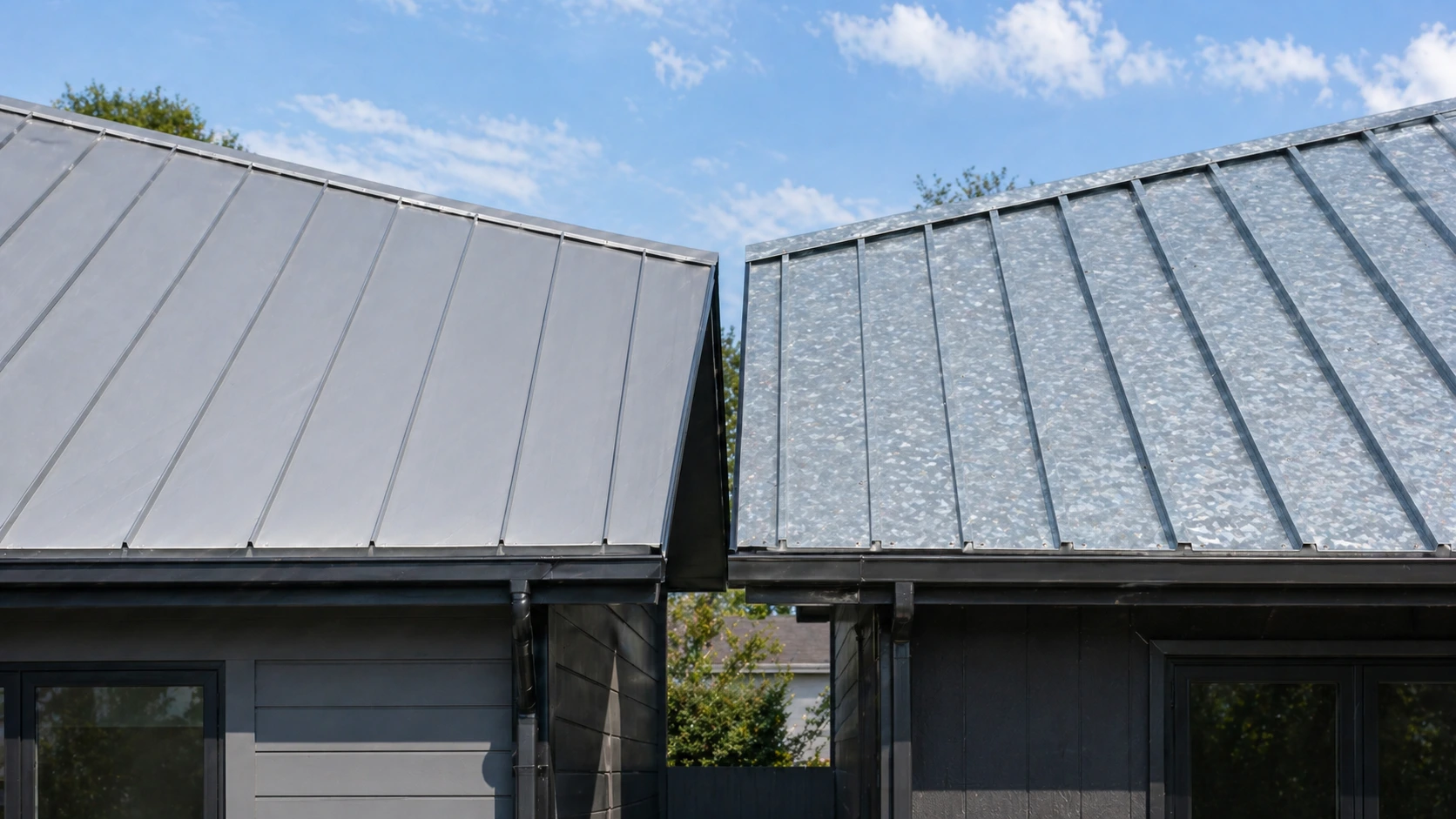
Appearance is another factor that influences material selection. Galvalume steel typically has a smooth, uniform finish that maintains consistency over time. Its surface appearance is often preferred for modern roofing applications.
Galvanized steel has a different visual texture due to its zinc coating. While it remains functional, its appearance may vary depending on the coating process. Choosing between the two depends on design preferences and project goals.
Cost Considerations
Cost is an important factor in any roofing project. Galvanized steel is often more budget-friendly, making it a practical option for projects with tighter budgets.
Galvalume steel may have a higher upfront cost due to its coating composition. However, its durability and performance can contribute to long-term value. Evaluating both initial cost and long-term performance helps buyers make balanced decisions.
Where Each Material Works Best
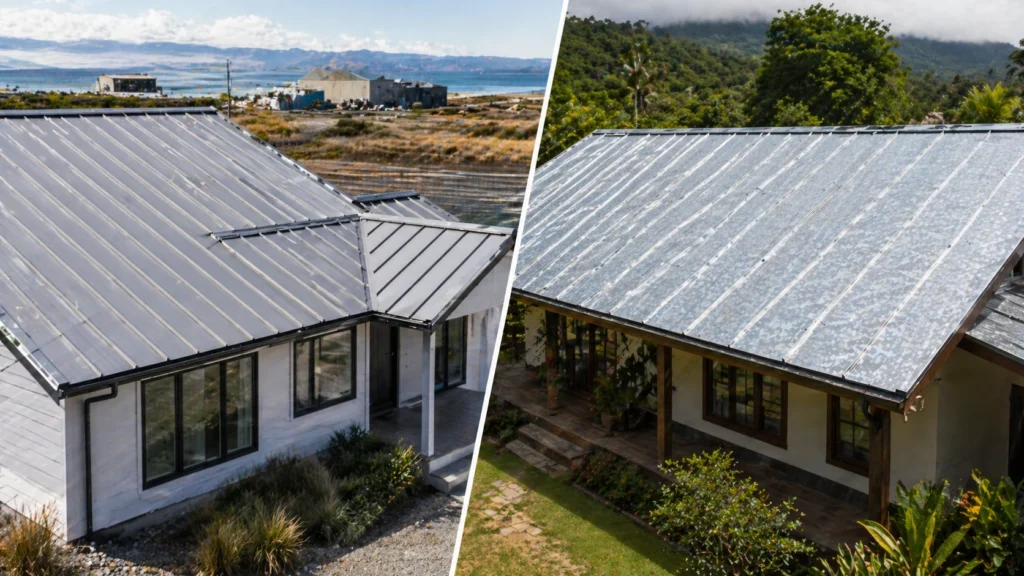
Galvanized steel is commonly used in projects where cost efficiency and standard performance are priorities. It works well in general applications where environmental exposure is moderate.
Galvalume steel is often preferred for projects that require enhanced durability and resistance to environmental factors. It is suitable for a wide range of applications where long-term performance is a key consideration.
What to Consider Before Choosing
Before selecting between Galvalume vs galvanized steel, it is important to evaluate project requirements carefully. Factors such as environmental conditions, budget, and performance expectations should be considered.
Material quality and manufacturing consistency also play a role in overall performance. Working with a reliable supplier ensures that the selected material meets required standards and delivers consistent results.
Common Buyer Mistakes
One common mistake is choosing a material based only on cost without considering long-term performance. While budget is important, ignoring durability can lead to higher costs over time.
Another mistake is not understanding how environmental conditions affect material performance. Selecting the wrong material for a specific environment can impact results. Reviewing all factors helps avoid these issues.
Why Manufacturing Quality Matters
Manufacturing quality directly affects how materials perform over time. Precision in coating application ensures consistent protection across the surface. This improves durability and reliability.
Choosing a manufacturer that focuses on consistency helps ensure that the materials meet performance expectations. This is especially important for projects that require uniformity and long-term stability.
Supporting Components and System Compatibility
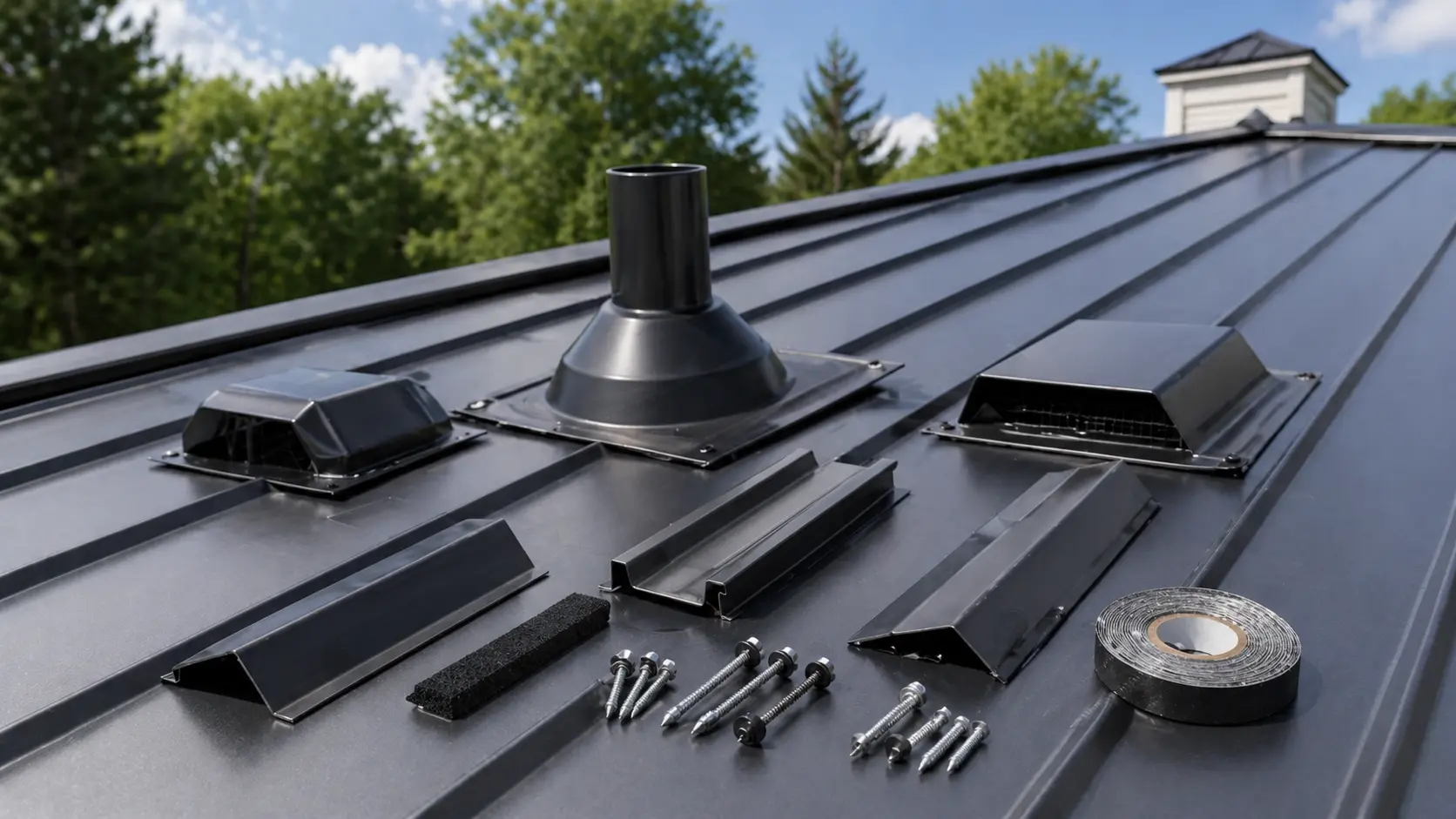
A roofing system includes more than just panels. Supporting components such as trims and accessories must be compatible with the selected material.
Exploring options like roofing accessories helps ensure that all elements work together effectively. Proper coordination between materials and components improves overall system performance.
Conclusion
The choice between Galvalume vs galvanized steel depends on project needs, environmental conditions, and performance expectations. Galvalume offers enhanced corrosion resistance and heat reflectivity, while galvanized steel provides a cost-effective and reliable option.
The Metal Shop LLC manufactures and supplies metal roofing products using high-quality materials and consistent processes. By understanding the differences between these two options, you can choose the material that best supports your project and long-term performance goals.
FAQs
What is the main difference between Galvalume and galvanized steel
Galvalume uses a combination of aluminum, zinc, and silicon, while galvanized steel uses a zinc coating.
Which material is more corrosion resistant
Galvalume generally offers better corrosion resistance due to its coating composition.
Is Galvalume more expensive than galvanized steel
Yes, it may have a higher upfront cost but can provide better long-term value.
Which option is better for heat reflectivity
Galvalume performs better in reflecting heat due to its aluminum content.
Can both materials be used for roofing
Yes, both are suitable for roofing, depending on project requirements.
Does The Metal Shop LLC provide installation services
The Metal Shop LLC manufactures and supplies metal roofing products. Installation is handled by your contractor.