

When investing in a new structure, determining the best roofing material is not just about the lowest price tag. It is about finding the solution that holds up decade after decade without constant metal roof repair, premature replacement, or weather-related failures.
Many homeowners and builders discover this the hard way—after choosing roofing materials that looked fine on paper but could not handle heavy snow loads, freeze-thaw cycles, and humid summers. The result is early wear, water intrusion, and costs that far exceed what high-quality roofs would have required upfront.
Metal roofing changes that equation. Manufactured with precision roll-forming technology and protected by high-performance paint systems, metal roof panels are engineered to perform for decades—not just years. At The Metal Shop, we manufacture every panel in-house, so you get factory-direct quality for your metal buildings without the retail markup.
This guide walks through the most durable roofing options we offer, how they compare to traditional shingles, and how to choose the right roof types for your project.
Our Most Durable Metal Roofing Products
MS ClipLoc — Standing Seam Roofing
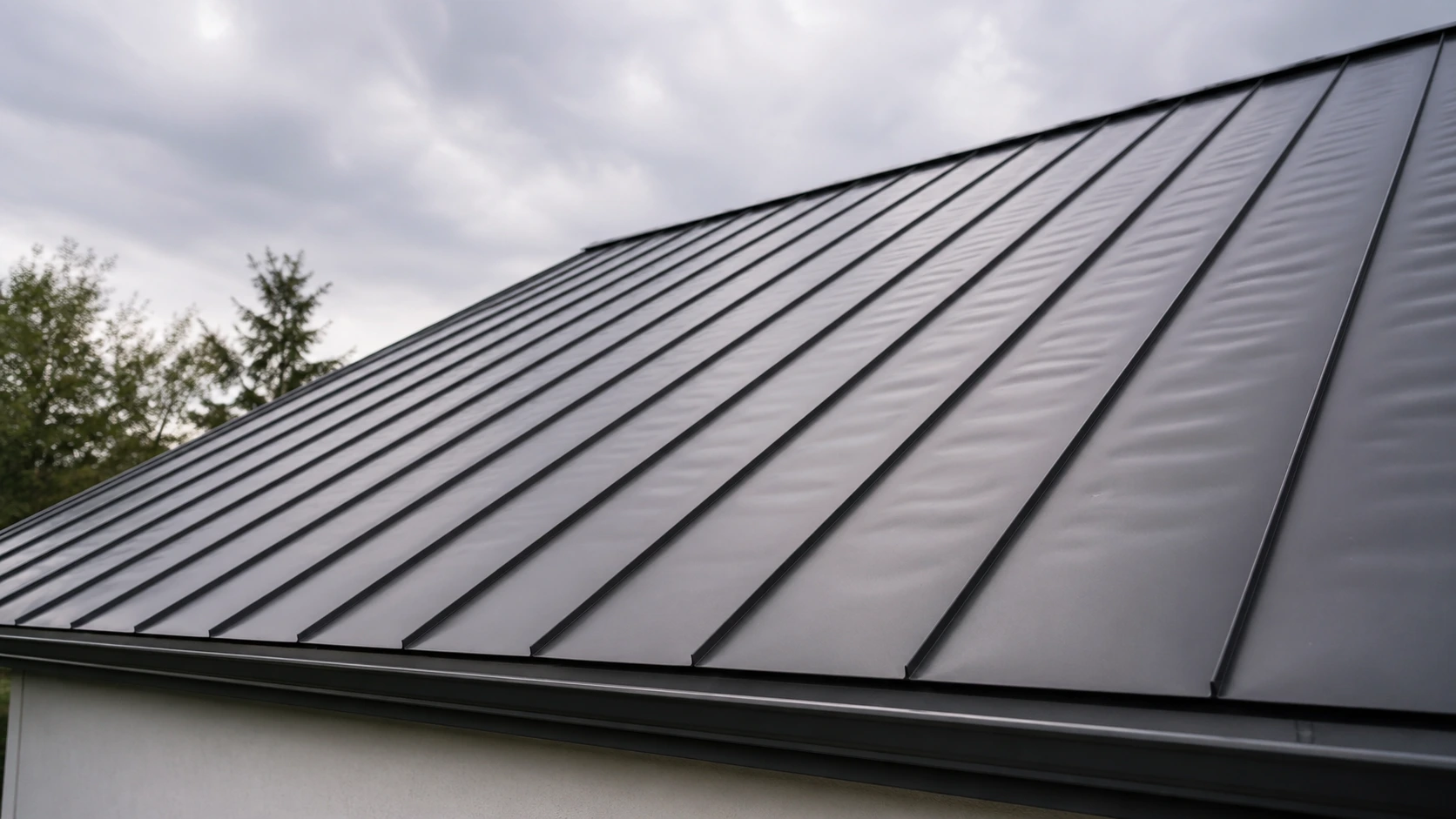
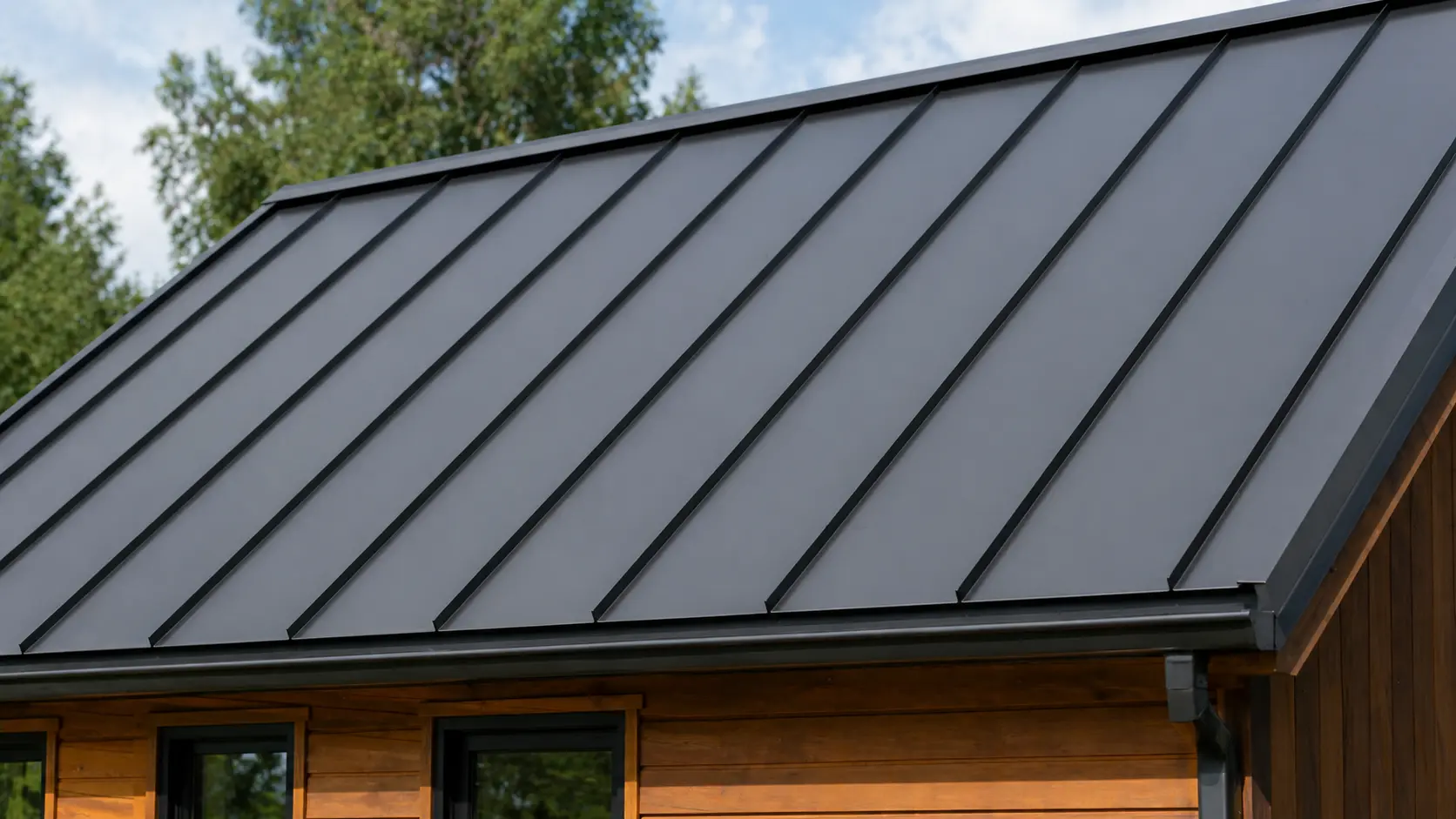
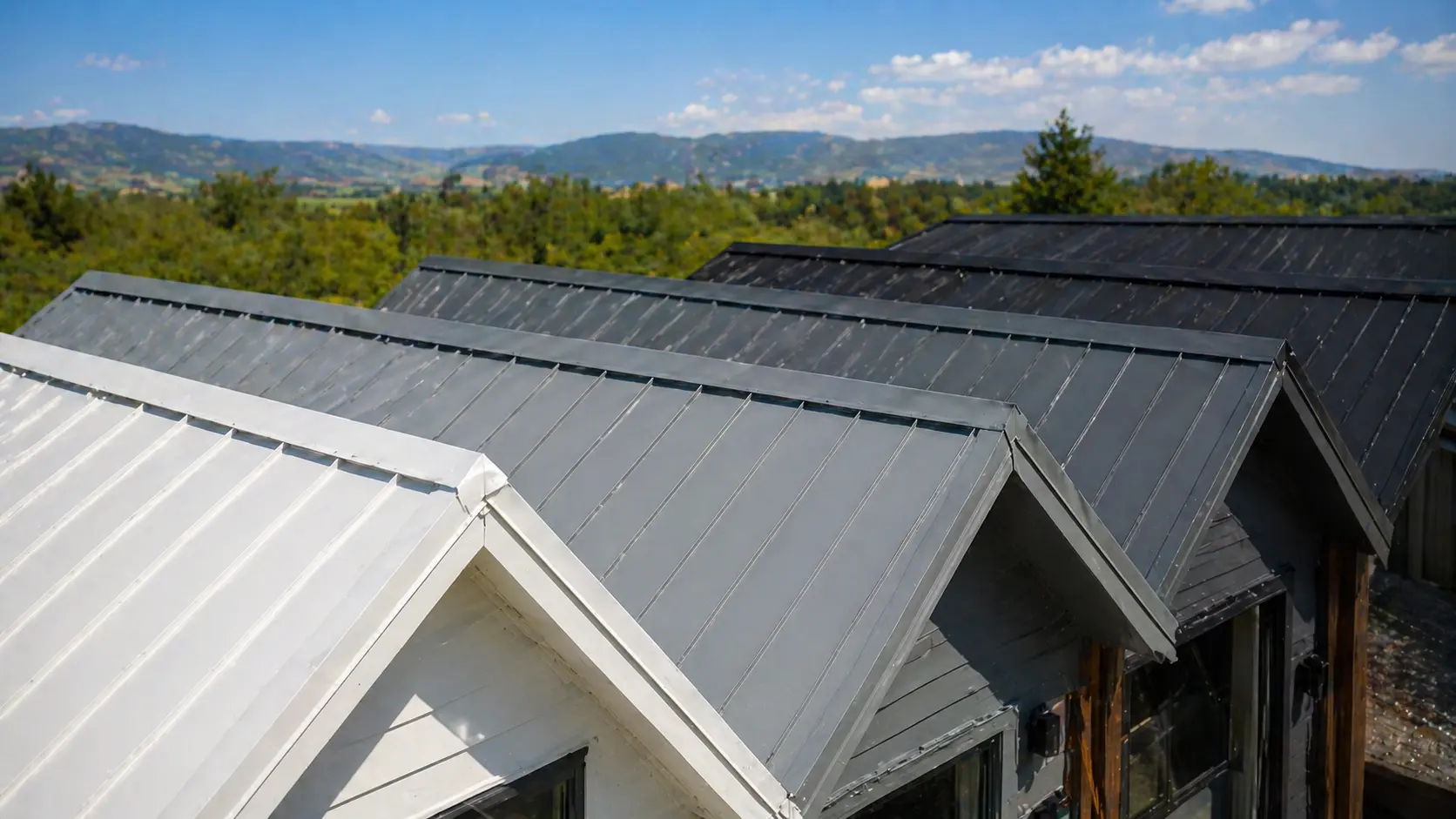
ClipLoc is our standing seam system and one of the best options available for both residential and commercial applications. The concealed clip-fastening system eliminates exposed fasteners entirely, which removes one of the most common points of failure in traditional roofing.
- Why it lasts: * No exposed screws to back out, corrode, or leak over time.
- Metal roof panels interlock and float with thermal expansion—no cracking or buckling.
- Available in 24- or 26-gauge Galvalume® steel.
- Engineered for extreme wind and snow load requirements.
- Up to 40-year finish warranty with AkzoNobel CERAM-A-STAR® paint system.
MS 5-Rib Panels — Reliable Performance at Every Scale
The 5-Rib panel is one of the most versatile metal roof panels we manufacture. It is a staple for metal buildings, pole barns, and residential projects where dependable coverage and straightforward application matter most. It is often a superior alternative to rubber roofing for long-term agricultural use.
MS Batten — Board and Batten Metal Roofing
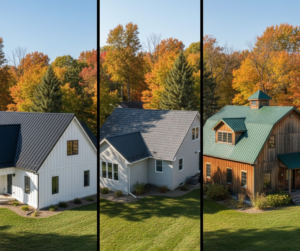
The MS Batten profile brings a traditional vertical aesthetic to metal siding and roofing. It is commonly chosen for farmhouse-style homes where curb appeal and durability need to work together.
Specialty Roofing — Metal Shingles and Classic Styles
For those who want the look of traditional shingles or wood shingles with the performance of steel, our specialty lines deliver both.
| Product | Aesthetic | Best For |
| Cedar Creek Shake | Natural wood shingles appearance | Farmhouse, cottage, and rustic home styles |
| North Ridge Slate | Classic slate tile look | Traditional and colonial architecture |
| Coastal Wave | Dimensional wave profile | Distinctive residential and coastal designs |
Each specialty material is manufactured with the same steel quality as our standard panels. You get the visual character of traditional roof types without the maintenance demands or shorter lifespan that those materials carry.
Why Metal Roofing Outperforms Other Options
| Factor | Metal Roofing | Traditional Alternatives |
| Lifespan | Several decades | Significantly shorter |
| Maintenance | Low (Minimal metal roof repair) | Moderate to high |
| Weather Resistance | Engineered for US extremes | Varies by material |
| Sustainability | High recycled content | Often ends in landfill |
While some roofing materials cost less upfront, they often require replacement twice in the time one metal roof stays standing. When you factor in lifespan and reduced maintenance, metal consistently delivers the best long-term value.
What Influences Long-Term Roofing Durability?
Even the best roofing material is shaped by a few key factors:
- Gauge and Steel Quality: Thicker gauge panels resist denting and deflection.
- Paint System: AkzoNobel CERAM-A-STAR® resists UV and corrosion for decades, especially when paired with coatings compared in a galvalume and galvanized steel roofing comparison.
- Profile Selection: Matching the right profile to your roof pitch and metal siding matters.
- Manufacturing Precision: Panels produced with roll-forming equipment maintain tighter tolerances.
At The Metal Shop, we offer free roof measurements and estimates to make sure your project starts with the right numbers.
FAQs
-
What is the most durable metal roofing option?
Standing seam systems like our MS ClipLoc are among the most durable roofs available. The concealed fastener design eliminates common failure points.
-
How long does a metal roof last?
A metal roof can last several decades. Our panels carry a 40-year finish warranty, far outlasting traditional asphalt shingles.
-
Is metal better than rubber roofing?
While rubber roofing is often used for flat surfaces, metal provides superior puncture resistance and a much longer lifespan for pitched metal buildings.
-
Can I get the look of wood shingles?
Yes. Our Cedar Creek Shake provides the rustic look of wood shingles but with the fire resistance and durability of high-grade steel.
-
Where can I get a quote?
Contact The Metal Shop at (269) 215-2003 or visit us at 12945 South M-66 Hwy, Bellevue, MI. We offer free estimates and roof measurements Monday through Friday, 7:00 AM – 5:00 PM.