
Switching to solar energy is a total power move for your home. It’s like giving your house a permanent promotion. But before you get too hyped about those sleek black panels, you’ve got to check the foundation. Your roof is the stage where this whole show happens. If the stage is shaky, the performance is going to flop.
Finding the best roof for solar panels isn’t just about aesthetics. It’s about how well your solar system integrates with your roofing materials to keep the lights on without causing a headache down the road. Let’s break down which setups are a total “cheat code” for clean energy and which ones might need a little extra work.
Roof Types Suitable for Solar Panels
When it comes to roof styles, most can handle a solar setup, but some are definitely more “plug and play” than others. Gable roofs — those classic upside-down V shapes — are usually the VIPs here. They offer large, flat surfaces that face the sun directly.
Hip roofs are also great, though they have more angles, which might limit how many panels you can fit. If you’ve got a flat roof, don’t sweat it. You can use tilted racking to make sure your panels catch those rays at the perfect angle. The goal is to find a layout that maximizes sun exposure while keeping things structurally sound.
Why Roof Material Matters for Solar Panel Performance
Your roof material is basically the skin of your house. Some skins are tougher and more heat-resistant than others. If your roof gets too hot, it can actually lower the efficiency of your solar energy production.
Materials that reflect heat help keep the panels cool — which is exactly what you want. Think of it like wearing a linen shirt on a summer day versus a heavy wool sweater. A cool roof helps your solar setup breathe, ensuring the electronics don’t throttle back when the sun is blasting.
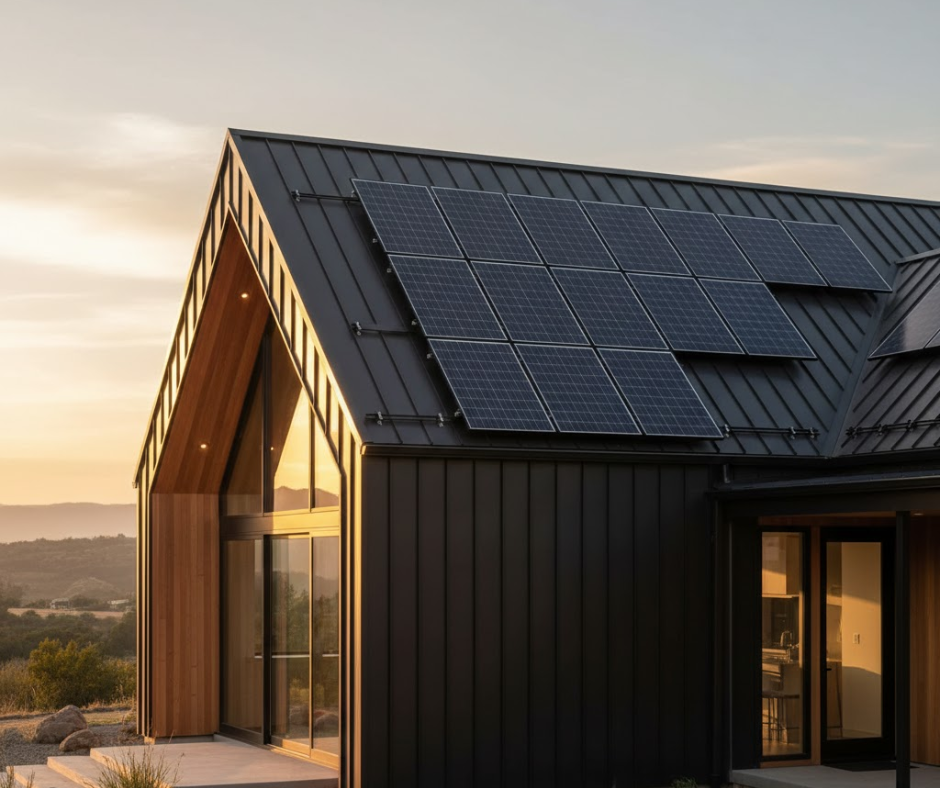
Top Roofing Materials for Solar Panels Compared
Not all materials are created equal. Here’s the quick rundown on the heavy hitters:
| Material | Solar Compatibility | Why It Works |
|---|---|---|
| Metal Roofing | Elite | Super durable and easy to attach panels to without many penetrations. |
| Asphalt Shingles | Standard | The most common choice. Flexible and easy to work with. |
| Tile (Clay/Concrete) | High | Looks amazing but requires specific hardware to prevent cracking. |
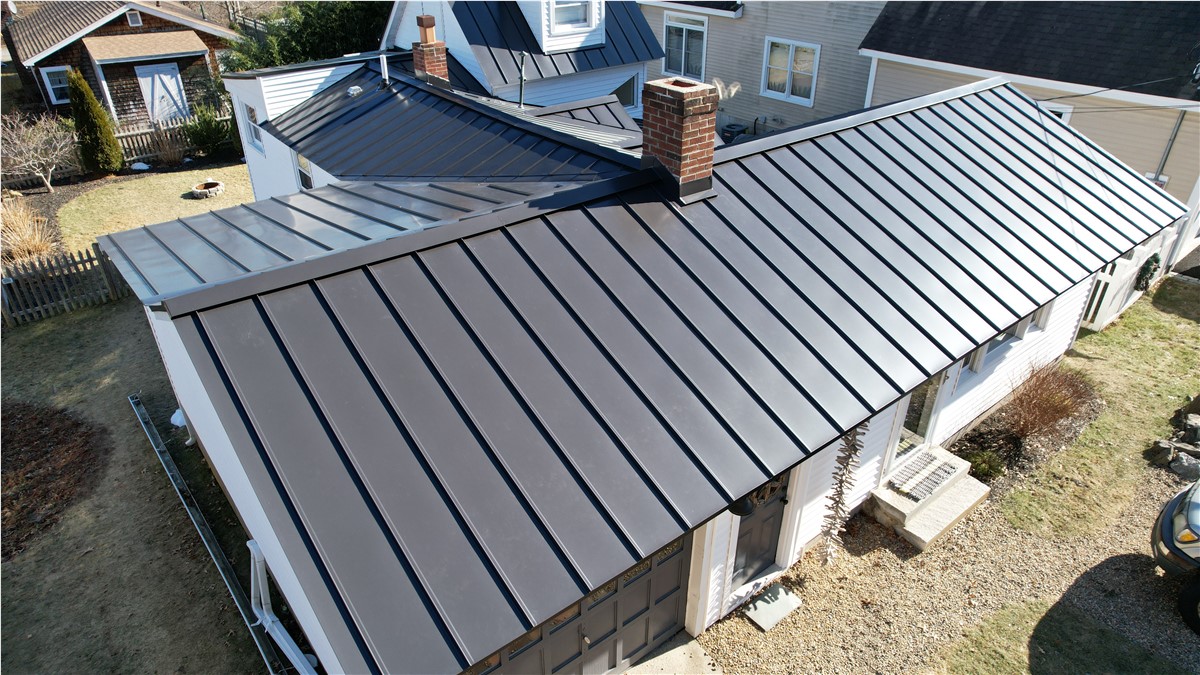
| Standing Seam Metal | GOAT Status | Panels clip directly onto the seams via clamp systems. Zero holes needed. |
If you’re thinking about metal roofing, you’re already on the right track for a high-performance setup.
The Metal Shop ClipLoc + S-5! Clamp System: The Ultimate Solar-Ready Combo
Here’s where it gets really interesting for homeowners thinking long-term. The Metal Shop LLC’s ClipLoc Standing Seam panel paired with the S-5! A clamp system is one of the smartest ways to prepare your home for solar panels — bar none.
The S-5! system is the industry gold standard for attaching solar panels, snow guards, HVAC equipment, and more to standing seam metal roofs — all with zero roof penetrations. Here’s what makes this combination a total game-changer:
Zero-Penetration Installation
S-5! invented the technology of using round-point setscrews for a secure mechanical interlock that grips directly onto the standing seam. No drilling through the roof. No holes. No compromised waterproofing. Your roof warranties stay completely intact.
Engineered for Your Exact Roof Profile
S-5! doesn’t believe in one-size-fits-all. Their clamps are specifically engineered for your exact standing seam profile, gauge, and material to maximize the cost-to-holding-strength ratio. The ClipLoc panel from The Metal Shop has a defined seam profile that pairs perfectly with the appropriate S-5! clamp — giving you a system that’s dialed in from the start.
Certified Quality You Can Trust
S-5! clamps are manufactured in an ISO 9001:15 certified facility and tested in a third-party ISO 17025 accredited laboratory. They’ve performed over 3,000 load tests on 500+ different standing seam profiles. The materials are non-corrosive and metallurgically compatible with Galvalume® steel — the same coating used on The Metal Shop’s panels.
Built to Last Longer Than the Roof Itself
S-5! clamps carry a Limited Lifetime Material and Workmanship Warranty — for the life of the roof. That’s not marketing language. Their warranty states the clamps are free from defects in material and workmanship from the date of first sale, for the entire life of the roof. No “ifs,” “ands,” or “buts.”
ClipLoc Panels Are Built for the Long Game
- 50+ year panel lifespan — well beyond the 25–30 year life of most solar systems
- Michigan-engineered for heavy snow loads, freeze-thaw cycles, and high winds
- Factory-direct pricing from The Metal Shop — no middleman markup
- Solar-ready from day one — even if you’re not installing solar yet, ClipLoc is already compatible when you are
Pro Tip: If you’re planning to go solar within the next 5–10 years, installing a ClipLoc standing seam roof before your solar system is the smartest sequence. You lock in a solar-compatible roof, skip a future re-roofing headache, and maximize your total investment.
Roof Design Factors That Boost Solar Output
Beyond the material, the overall design of your roof matters.
- Roof Pitch: Ideally, you want an angle between 30 and 45 degrees. Too flat, and water and dirt may pile up on your panels.
- Orientation: In the Northern Hemisphere, south-facing roofs are the gold standard for consistent sunlight throughout the day.
- Shade Trees: That giant oak looks cool, but it’s a vibe killer for solar production.
Asphalt Shingles and Solar: What You Should Know
Asphalt shingles are the classic choice for a reason — they’re affordable and widely understood. Mounting hardware typically involves brackets secured directly into the rafters.
One thing to watch out for? The age of your shingles. If they’re already 10 years old, consider re-roofing before starting your solar project. You don’t want to pull panels off in five years just to fix a leak.
Tile Roofs and Solar Panels: Challenges & Solutions
Tile roofs give off those Mediterranean luxury vibes, but they can be sensitive. They’re brittle — walk on them wrong and they crack. Professionals often use a “tile replacement” mount, swapping a few tiles for a special metal piece that holds the panel rack. It’s more labor-intensive, but the results are solid.
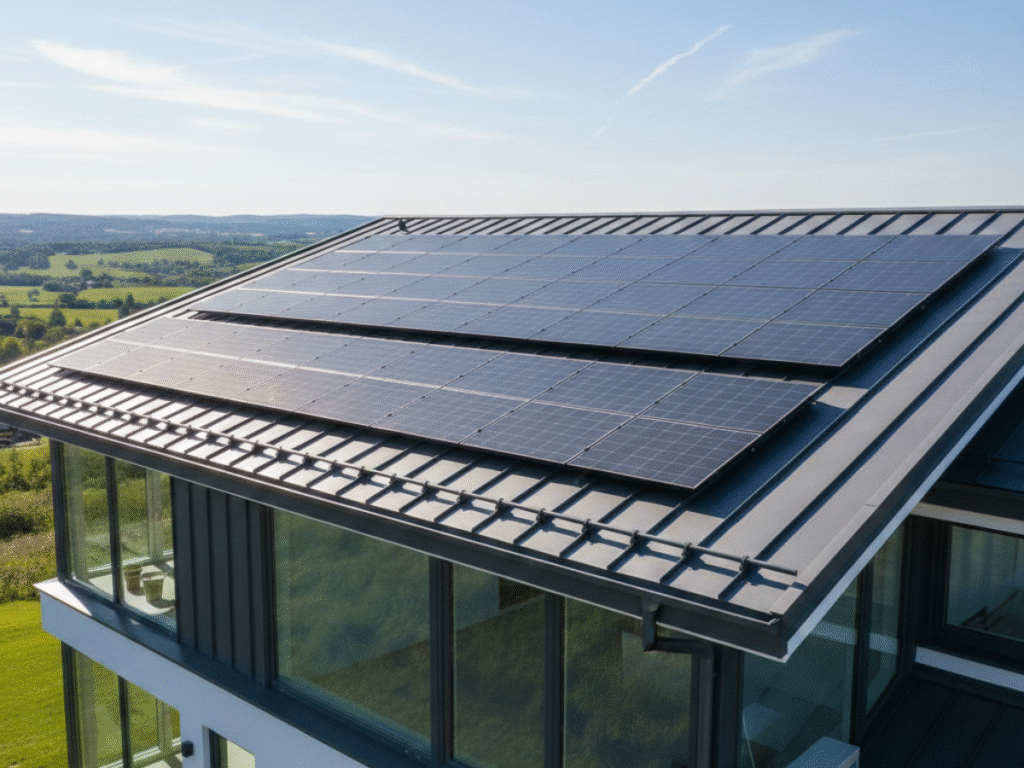
Roof Lifespan vs. Solar Panel Lifespan: What to Consider
Solar panels are built like tanks — most last 25 to 30 years. Your roof needs to match that energy.
- Metal Roofing (ClipLoc Standing Seam): 50+ years. The ultimate “set it and forget it” option.
- High-End Shingles: 20–30 years.
- Standard Shingles: 15–20 years.
If your roof is nearing the end of its life, handle the roof work first. Putting new panels on a dying roof is like putting brand-new tires on a car with a blown engine.
Common Roof Issues That Affect Solar System Efficiency
Before you go all-in, do a quick health check on your roof:
- Structural Sagging: Panels add weight. Your roof needs to handle the extra load.
- Water Damage: Any signs of rot or leaks need to be addressed immediately.
- Debris Buildup: Leaves and dirt mess with panels and drainage.
Keeping your roof clean and clear ensures your solar system runs at peak performance without any lag.
FAQs
1: Are asphalt shingle roofs good for solar?
Absolutely. They’re the most common roof type for solar setups. Just make sure the shingles are in good condition before you start.
2: Can solar panels be added to tile roofs?
Yes, but it requires specialized hardware to avoid cracking. It’s common practice, but it takes more precision than a standard shingle setup.
3: Do flat roofs work for solar panels?
They sure do. Flat roofs offer flexibility because you can use weighted racking systems that don’t even need to puncture the roof surface.
4:What makes ClipLoc standing seam the best solar-ready roof?
The Metal Shop’s ClipLoc panel, combined with the S-5! The clamp system allows solar panels to attach directly to the seams — no penetrations, no leaks, no compromises. S-5! clamps are ISO-certified, carry a lifetime warranty, and have been tested on 500+ roof profiles. It’s the cleanest, most durable solar-ready roofing solution available, made right here in Michigan.
5: Do S-5! clamps work for DIYers?
Yes. S-5! Clamps were originally invented by a contractor with the installer in mind. The system is designed to reduce time on the roof and can be retrofitted to existing roofs or incorporated into new builds using common tools — straightforward enough for a confident DIYer.
Selecting the best roof for solar panels comes down to balancing durability with how easily components can be integrated. Whether you’re rocking metal roofing or a fresh set of shingles, the key is starting with a solid foundation. And if you want to future-proof your home for solar from the very start, The Metal Shop’s ClipLoc standing seam paired with the S-5! The clamp system is the smartest move you can make.