

Metal sheet is one of the most widely used forms of metal across construction, manufacturing, and industrial projects. Many people work with sheet metal every day but may not fully understand what defines it, how it is measured, or why it is so versatile. Without a clear understanding, it becomes harder to choose the right material for specific structural or fabrication needs.
What Is Sheet Metal Made Of?
Sheet metal is metal that has been formed into thin, flat sections for a wide range of practical uses. These metal sheets are manufactured to specific thickness ranges, allowing them to be shaped, formed, and cut for a wide variety of uses.
Sheet metal is typically produced from metals such as steel, stainless steel, and aluminum. Its flat form makes it easier to handle and adapt to different fabrication requirements. Unlike bulk metal forms, sheet metal balances strength with flexibility, making it suitable for both structural and decorative applications.
How Sheet Metal Is Measured

Sheet metal is measured primarily by thickness. Thickness plays a major role in determining strength, flexibility, and suitability for different projects.
One common measurement method is steel gauge thickness. In this system, a lower gauge number indicates a thicker metal sheet, while a higher gauge number represents thinner material. Sheet metal thickness may also be measured directly in inches or millimeters, depending on industry standards.
Key measurement factors include:
- Sheet metal thickness
- Steel gauge number
- Material type and tensile strength
- Intended use or load requirements
Understanding these measurements helps ensure the selected metal sheet performs as expected.
Common Materials Used in Sheet Metal
Sheet metal can be manufactured using several metals, each offering different performance characteristics.
Common sheet metal materials include:
- Steel
- Stainless steel
- Aluminum sheet
- Galvanized steel
Steel sheets are widely used due to their strength and versatility. Stainless steel offers corrosion resistance and is often chosen for environments where moisture or chemicals are present. Aluminum sheet is valued for being lightweight while still providing reliable performance.
Each material choice affects durability, tensile strength, and long-term usability.
Types of Sheet Metal
There are several types of sheet metal, categorized by material and finish. Selecting the right type depends on application and performance needs.
Common types include:
- Cold-rolled steel sheets
- Hot-rolled steel sheets
- Galvanized metal sheets
- Stainless steel sheets
- Aluminum sheets
Cold-rolled sheets offer smoother surfaces and tighter tolerances. Hot-rolled sheets are often used where surface finish is less critical. Galvanized sheets include a protective coating that improves resistance to environmental exposure.
Sheet Metal Forming and Fabrication Processes
Sheet metal forming involves shaping flat metal sheets into functional components. These processes allow metal to take on specific forms without compromising strength.
Common sheet metal fabrication processes include:
- Bending and folding
- Cutting and trimming
- Rolling and shaping
- Punching and stamping
Sheet metal forming relies on controlled pressure and precision to achieve consistent results. Fabrication quality directly affects structural performance and dimensional accuracy.
Sheet Metal Applications Across Industries
Sheet metal is used across many industries due to its adaptability and strength.
Common applications include:
- Construction and building components
- Agricultural structures
- Industrial equipment
- Transportation and automotive parts
- Storage systems and enclosures
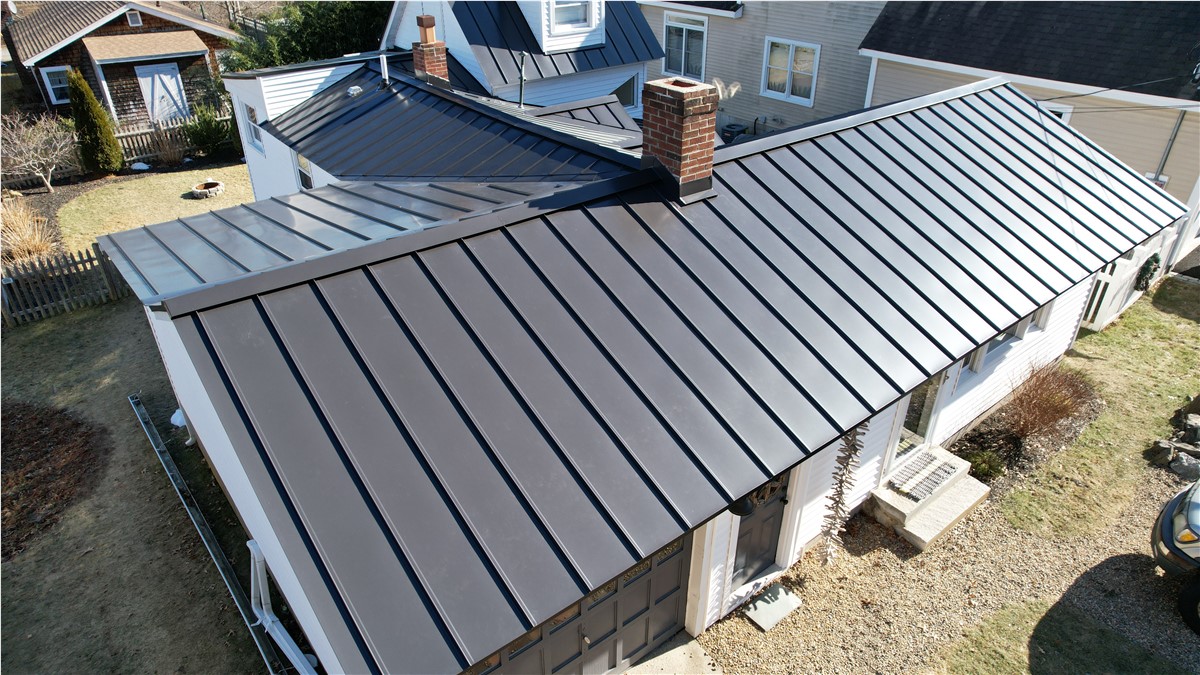
In construction, sheet metal supports roofing, siding, and framing elements. It is also widely used in agricultural buildings, such as a steel pole barn, where durability and structural reliability are essential.
Benefits of Using Sheet Metal
Sheet metal offers several advantages that make it a preferred material in many projects.
Key benefits include:
- High strength-to-weight ratio
- Consistent manufacturing quality
- Ease of shaping and forming
- Broad material options
- Long-term performance
Metal sheets can be produced to exact specifications, which supports repeatability and predictable results. These benefits make sheet metal suitable for both small components and large-scale structural uses.
Sheet Metal in Everyday Products
Sheet metal is present in many everyday products, often without being noticed. Appliances, cabinets, HVAC components, and storage units commonly use metal sheets due to durability and efficiency.
The ability to form sheet metal into precise shapes allows manufacturers to produce components that meet exact functional requirements. This consistency supports long service life and reliable performance.
Sheet Metal Standards and Quality Considerations
Quality standards play an important role in sheet metal performance. Manufacturing processes must meet industry specifications related to thickness, tensile strength, and finish.
Important quality considerations include:
- Material certification
- Thickness tolerance
- Surface consistency
- Structural integrity
High-quality sheet metal fabrication ensures dependable performance across different applications. Consistent standards also help maintain safety and reliability in structural and industrial uses.
Choosing the Right Sheet Metal for Your Needs
Selecting the right sheet metal depends on understanding application requirements. Factors such as environment, load, and fabrication method should guide material choice.
Questions to consider include:
- What thickness is required?
- Which material best suits the environment?
- What forming processes will be used?
Careful selection ensures the metal sheet performs as intended and supports long-term project success.
Conclusion
Sheet metal is a foundational material used across construction, manufacturing, and industrial sectors. Its combination of strength, flexibility, and precision manufacturing makes it suitable for a wide range of applications.
By understanding what sheet metal is, how it is measured, the materials available, and quality considerations, you can make informed decisions for your project. From structural uses to everyday products, sheet metal continues to play a vital role in modern industry.
FAQs
1. What is the difference between a sheet and a plate?
Sheet metal is thinner and more flexible, while plate metal is thicker and used for heavy structural applications.
2. What materials can sheet metal be made from?
Sheet metal is commonly made from steel, stainless steel, aluminum sheet, and galvanized steel.
3. What are common uses of sheet metal?
Sheet metal is used in construction, industrial equipment, agricultural buildings, and everyday products such as appliances and enclosures.
Read more about what is board and batten