
Budget is usually the top priority when planning a Michigan home renovation or a new pole barn. Most property owners ask: Is vinyl siding cheaper than metal? While the initial answer appears straightforward, the most affordable choice isn’t always defined by the lowest price at the checkout counter.
Deciding between vinyl siding vs. metal siding requires evaluating the upfront cost of building materials, their performance during harsh Great Lakes winters, and long-term maintenance needs. Whether you are a homeowner enhancing curb appeal or a contractor sourcing reliable supplies for a client, understanding these factors is the best way to protect your investment.
Vinyl Siding vs. Metal Siding: Understanding the Key Differences in Exterior Materials
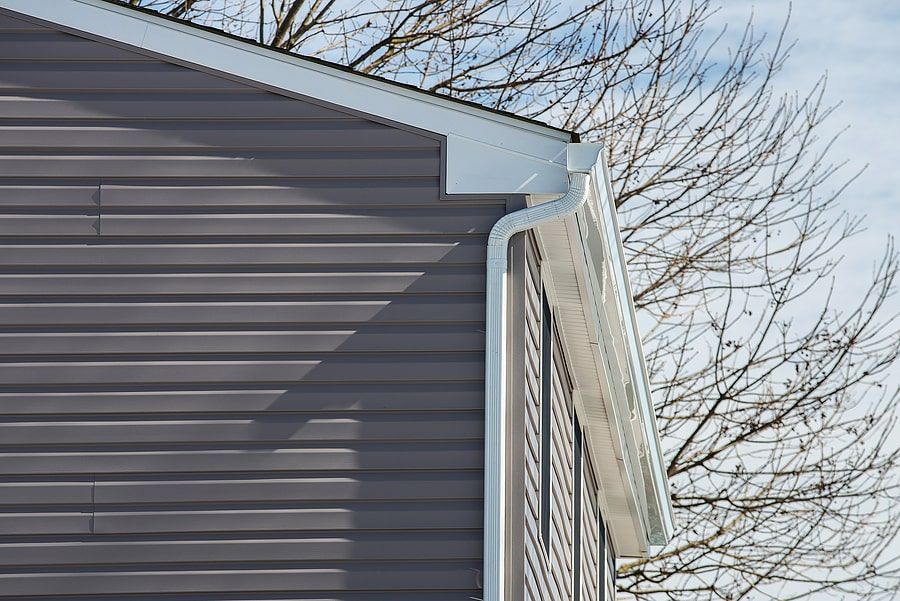
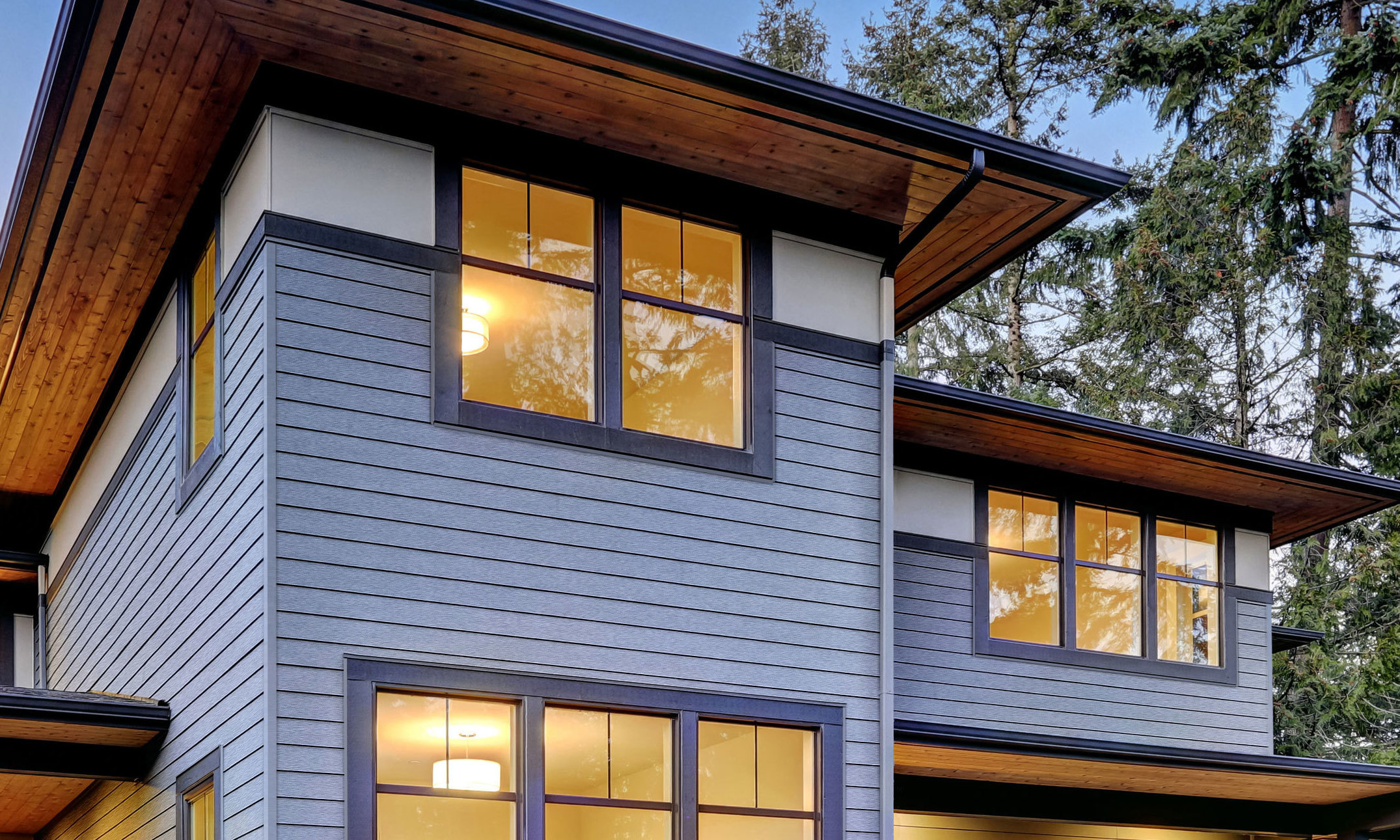
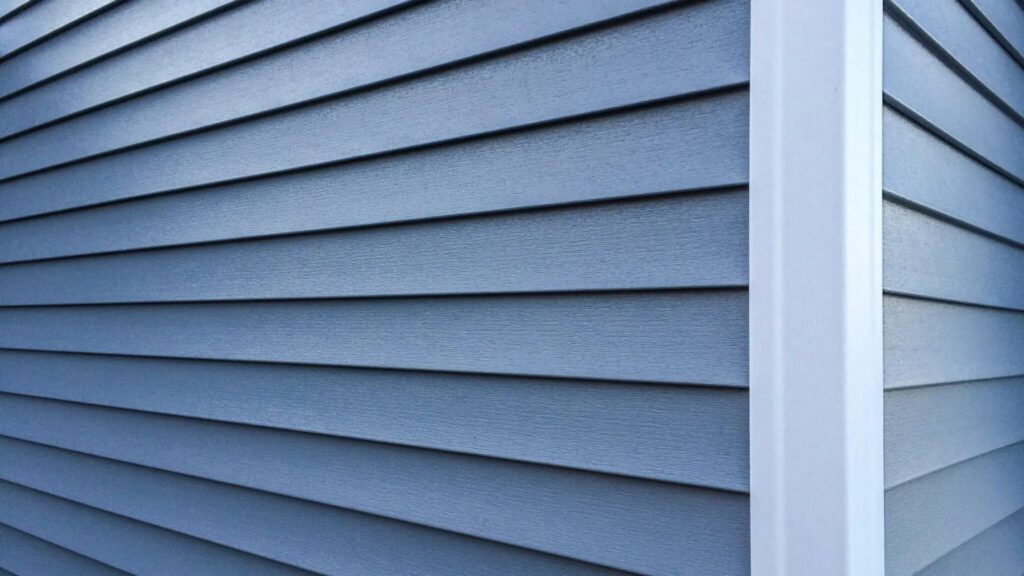
Vinyl siding and metal siding are two of the most popular exterior cladding options on the market today, but they function very differently. Vinyl siding is a type of plastic made from polyvinyl chloride (PVC). It is lightweight, flexible, and comes in a wide variety of colors. Because it is mass-produced and easy to ship, it has been a go-to for residential siding options for decades.
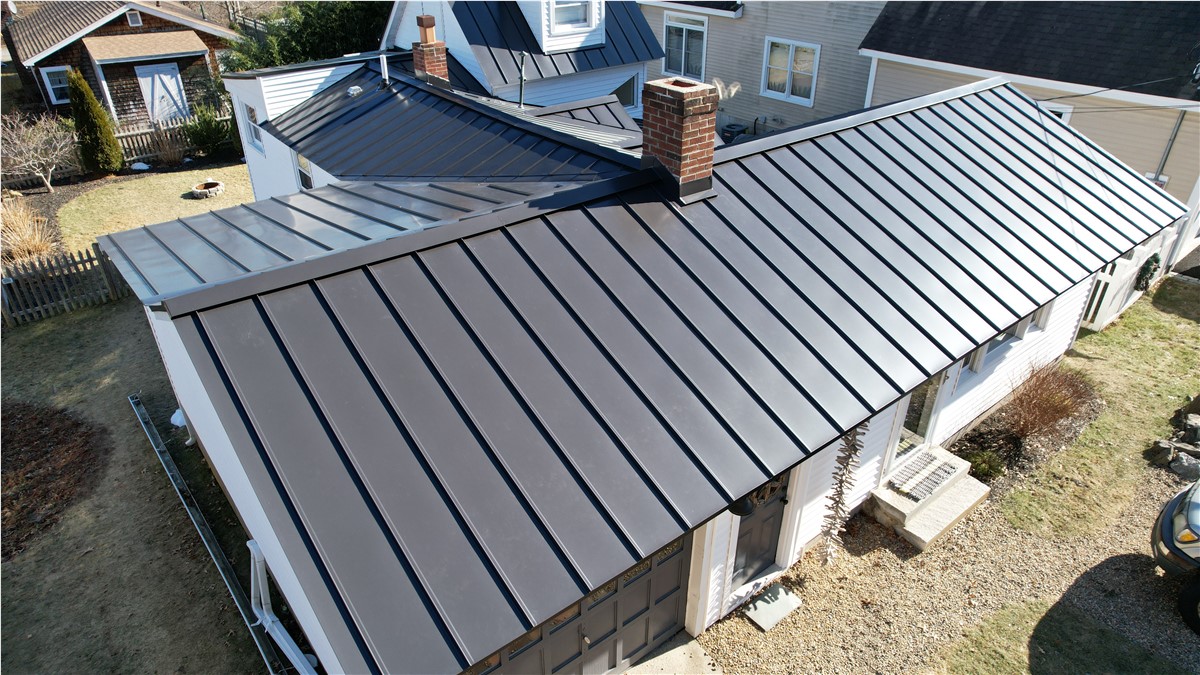
Metal siding, specifically steel siding panels or aluminum siding, is a much tougher alternative. At The Metal Shop, we manufacture high-quality metal panels designed to withstand heavy use. Unlike vinyl, metal does not crack when hit by a stray rock from a lawnmower or become brittle in freezing temperatures.
Material Composition
- Vinyl: A synthetic plastic material. It is colored all the way through, so scratches are less visible, but it can fade over time due to UV exposure.
- Metal: Usually made from high-tensile steel or aluminum. It is coated with specialized paints and finishes to prevent rust and reflect heat.
Cost Comparison of Vinyl Siding vs. Metal Siding for Residential and Agricultural Buildings
When comparing the initial purchase price of exterior siding materials, vinyl is generally cheaper than metal. If you are strictly looking at the cost per square foot for the raw materials, vinyl often wins the “lowest price” contest. This makes it an attractive choice for quick flips or budget-conscious residential builds.
However, for agricultural buildings like pole barns or warehouses, metal is the industry standard for a reason. While the initial investment for steel siding panels is higher, the value it adds to the structure is significant. When analyzing steel siding vs. vinyl siding, the upfront cost is only one part of the financial picture.
Factors Influencing the Price
- Gauge of Metal: Thicker steel costs more but offers better protection.
- Vinyl Grade: Thinner “builder-grade” vinyl is very cheap, while premium insulated vinyl can approach the price of metal.
- Market Fluctuations: Steel prices can shift based on global supply, whereas plastic prices often stay more stable.
Durability and Lifespan: How Long Vinyl and Metal Siding Materials Last
This is where the conversation about cost starts to shift. If you have to replace your siding twice as often, is it really cheaper? A siding lifespan comparison shows a dramatic difference between the two.
Vinyl siding typically lasts between 20 and 30 years. Over time, sunlight breaks down the chemical bonds in the plastic, leading to warping or fading. In contrast, metal siding durability is legendary. A well-manufactured steel panel can easily last 40 to 60 years or more with minimal care.
Longevity Breakdown
- Vinyl: Prone to melting near high heat (like a grill) and can rattle or blow off in high winds if the locking mechanism fails.
- Metal: Fire-resistant, rot-proof, and impervious to pests like termites or carpenter ants. It stays structurally sound for decades.
Weather Resistance: Which Siding Performs Better in Harsh Climate Conditions
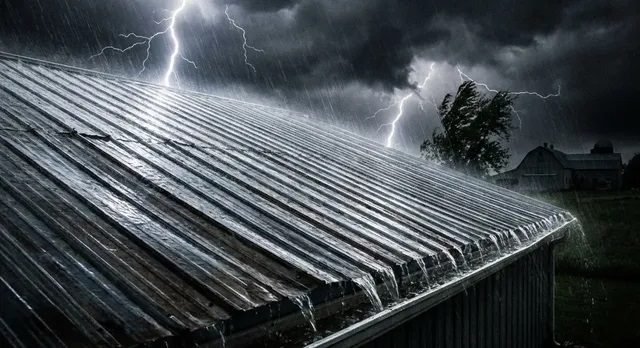
In Michigan, weather resistance is not a luxury; it is a necessity. Our state experiences everything from humid summers to sub-zero winters and heavy snow loads.
Vinyl expands and contracts significantly as temperatures change. If it is nailed too tightly, it can buckle. In extreme cold, it becomes brittle. A simple impact that would bounce off a metal panel might shatter a vinyl one during a January freeze.
Metal is the superior choice for harsh climates. It handles temperature swings without losing its shape. For those looking into metal pole barn siding options and panel styles, metal provides a rigid shield against hail and wind-driven rain. It does not absorb moisture, which means you never have to worry about mold or mildew.
Maintenance Requirements for Vinyl vs. Metal Exterior Siding
Both materials are marketed as “low maintenance,” but they require different types of attention to keep the building looking its best.
Maintaining Vinyl
Vinyl requires regular washing to remove dirt and mold. Because it is porous on a microscopic level, stains can sometimes set in. If a panel cracks, you often have to remove several surrounding panels to zip in a replacement, which can be a headache for property owners.
Maintaining Metal
Metal is incredibly easy to care for. Most dirt washes away with a garden hose. The high-quality finishes we use during fabrication ensure that the color stays vibrant for years. If you need to perform work on a building, knowing how to cut pole barn metal panels safely and accurately allows for easy modifications or repairs.
Is Metal Siding Worth the Extra Cost Compared to Vinyl Siding?
When you look at the total cost of ownership, metal is often the better financial move. While you pay more upfront, you save money by avoiding frequent replacements. Metal also offers better energy efficiency by reflecting solar radiant heat, which can lower cooling costs in the summer.
For contractors and builders, supplying metal means providing a product that won’t result in callbacks for cracked or warped panels. For homeowners, it means peace of mind. If you are planning a long-term project, the strength of steel far outweighs the initial savings of plastic.
FAQ
Is vinyl siding cheaper than metal siding?
Yes, in terms of the initial material purchase, vinyl is usually less expensive than metal. However, metal often costs less over the life of the building due to its longevity.
Why is metal siding more expensive than vinyl?
Metal siding costs more because of the raw material value of steel or aluminum and the advanced coating processes used to prevent rust and fading.
Which siding lasts longer, vinyl or metal?
Metal siding lasts significantly longer. While vinyl may last 20 to 30 years, metal siding can easily exceed 50 years with proper care.
Is metal siding better for harsh weather conditions?
Yes. Metal does not become brittle in the cold or warp in the heat, making it ideal for the extreme temperature shifts seen in Michigan.
Is vinyl siding easier to install than metal siding?
Vinyl is lighter and easier to cut, but metal provides a more secure and rigid finish. For tips on the process, you can read our guide on how to install metal siding on a pole barn building.
Conclusion
Choosing the right cladding depends on your goals. While vinyl is cheaper today, metal is the clear winner for resisting Michigan weather, fire, and pests for over half a century. At The Metal Shop, we specialize in high-precision manufacturing to ensure every panel meets top standards. The Metal Shop provides fabrication only and does not offer installation services, allowing us to better support contractors and builders with premium supplies. Contact us today for a quote on our high-quality materials. When considering vinyl siding as cheaper than metal, remember that durability is an investment that pays for itself.