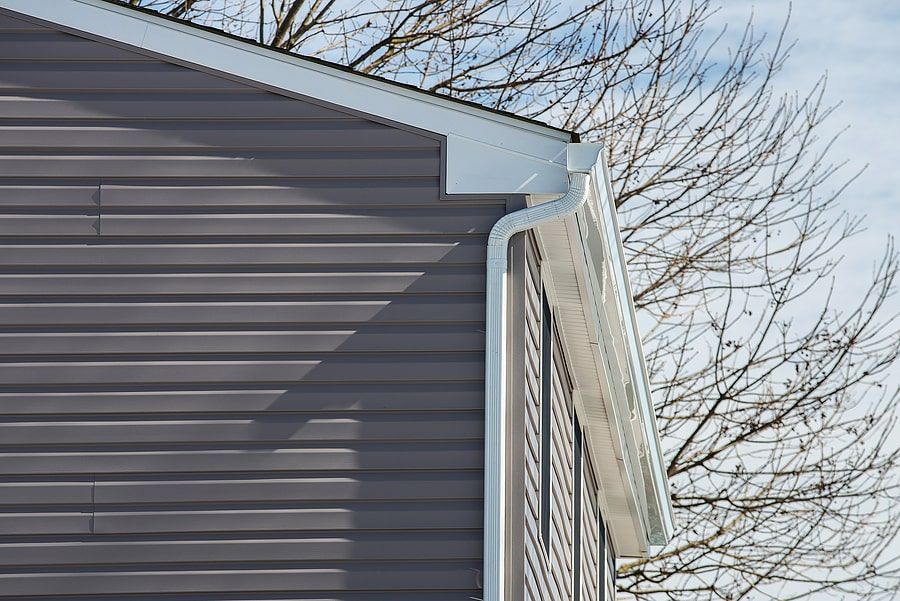

Learning how to patch metal siding is an essential skill for any property owner looking to maintain the integrity of their building’s exterior cladding. Whether you are dealing with a small puncture from a stray rock or a crack caused by shifting structures, addressing these issues promptly prevents moisture from seeping into your walls. At The Metal Shop, we understand that Michigan weather can be tough on your siding, which is why we have put together this comprehensive guide to help you restore your panels to their original strength.
What Causes Damage to Metal Siding Panels and When Repairs Are Needed
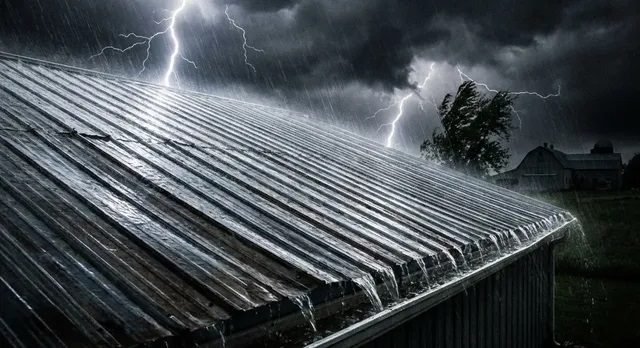
Metal siding is incredibly durable, but it is not invincible. Most damage occurs due to physical impact or environmental exposure. In Michigan, heavy storms can toss debris against your building, leading to dents or holes. High winds can also loosen fasteners, causing panels to rattle and eventually crack around the screw holes.
Another common enemy is corrosion. While modern sheet metal is treated to resist rust, deep scratches that penetrate the protective coating can expose the raw steel to moisture. Over time, this leads to oxidation that eats through the panel. You should look for repairs if you notice any visible light through a hole, signs of rust spreading, or cracks that could allow water to bypass the exterior barrier. Small issues are easy to fix with a patch-metal siding technique, but ignoring them can lead to structural rot behind the metal.
Tools and Materials Needed to Patch Metal Siding Effectively
Before you begin, gathering the right siding repair materials will ensure the job looks professional and lasts for years. You do not need heavy machinery, but quality hand tools are a must.
- Matching Metal Patch: A piece of leftover siding or a new sheet metal scrap that matches your profile and color.
- Tin Snips: High-quality snips for cutting the patch to size.
- Construction Sealant: A high-grade, waterproof sealant designed for metal-to-metal contact.
- Fasteners: Metal-to-metal screws with rubber washers to ensure a watertight fit.
- Cleaning Supplies: A wire brush, sandpaper, and a degreasing cleaner.
- Drill: For driving screws into the metal panels.
- Touch-up Paint: To match the patch perfectly to the existing wall.
Step-by-Step Process to Patch Metal Siding Holes and Cracks
Following a consistent metal siding repair guide ensures your patch stays secure during the freeze-thaw cycles of a Michigan winter.
1. Clean the Area
Start by removing any loose rust or peeling paint around the damaged area using a wire brush or sandpaper. Use a cleaner to remove grease and dirt so the sealant adheres properly.
2. Cut the Patch
Using your tin snips, cut a piece of matching metal that is at least two inches larger than the hole on all sides. For the best look, try to match the ribs or contours of the existing panel. If you need tips on sizing, learning how to cut pole barn metal panels accurately for repairs can help you get a cleaner edge.
3. Apply Sealant
Apply a generous bead of exterior-grade sealant around the perimeter of the hole on the original siding. You should also apply a bead to the back of your patch.
4. Secure the Patch
Press the sheet metal siding patch firmly over the hole. Use your drill to install fasteners at the corners of the patch. Make sure the rubber washers are snug but not flattened to the point of breaking.
5. Final Sealing
Wipe away any excess sealant that squeezed out from the edges. This creates a clean finish and prevents water from pooling at the seam.
How to Seal and Protect Metal Siding Repairs from Future Damage
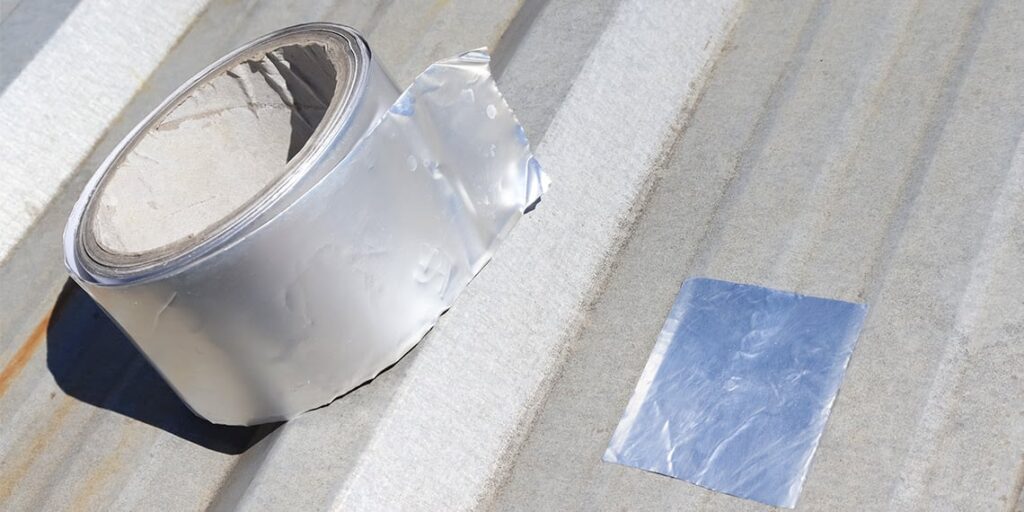
Once the physical repair of metal siding panels is done, you must focus on long-term protection. The goal is to make the patch invisible and weather-resistant. After the sealant has fully cured, apply a matching touch-up paint to the screw heads and the edges of the patch. This prevents the cut edges of the metal from rusting.
Properly sealing metal siding involves checking the surrounding panels as well. Often, a hole is a sign that the building is under stress or facing interior moisture issues. For those managing larger structures, knowing how to insulate a metal pole barn for improved durability can also reduce internal condensation that might cause rust from the inside out.
Common Mistakes When Repairing Metal Siding and How to Avoid Them
The most frequent mistake is using the wrong type of metal. If you mix dissimilar metals, such as putting an aluminum patch on steel siding, a chemical reaction called galvanic corrosion will occur, causing the metal to deteriorate rapidly. Always match your materials.
Another error is over-tightening the fasteners. Metal expands and contracts with temperature changes. If the screws are too tight, the panel cannot move, which leads to buckling or new cracks. Lastly, never use standard caulk. Only use a high-quality sealant specifically labeled for metal buildings, as standard silicone may not bond well to the factory finishes of the siding.
When to Repair vs. Replace Metal Siding Panels for Long-Term Durability
While you can patch metal siding for minor damage, there comes a point where a full replacement is the smarter investment. If a panel has more than three or four large holes, or if the rust has spread across more than 25 percent of the surface, the structural integrity of the exterior cladding is compromised.
Large-scale damage often suggests that the original installation might have been flawed. If you find yourself constantly patching the same wall, it might be time to review how to install metal siding on a pole barn structure to ensure the next installation is handled correctly. Replacing a full panel ensures a perfect color match and total protection against the elements, which is often better for your property value than a patchwork appearance.
FAQs
Can you patch metal siding instead of replacing it?
Yes, you can patch small holes or cracks effectively using a piece of matching sheet metal and high-quality sealant. This saves money and time compared to a full panel replacement.
What is the best way to fix a hole in metal siding?
The best method is to clean the area, cut a matching metal patch, apply a waterproof sealant, and secure it with metal-to-metal screws.
How long does a metal siding repair last?
A well-executed repair can last as long as the siding itself, provided you use the correct materials and prevent rust at the edges of the patch.
Do you need special tools to repair metal siding?
You mainly need basic hand tools like tin snips, a drill, and a wire brush. No heavy machinery is required for standard patches.
When should you replace metal siding instead of patching it?
Replace the panel if the damage is structural, if there is widespread rust, or if the number of patches would look unsightly and lower your curb appeal.
Conclusion
Maintaining your building starts with knowing how to patch metal siding before small problems turn into expensive disasters. By using the right sealant, high-quality fasteners, and matching sheet metal, you can keep your Michigan property looking great and fully protected from the weather.
At The Metal Shop, we specialize in providing the high-quality materials and expert advice you need for every project. Whether you are fixing a single panel or planning a complete overhaul of your exterior, we are here to help.
Need professional advice or high-quality metal materials? Contact The Metal Shop today for all your metal siding needs!
Also, read more about metal siding & vinyl siding comparison.