

Deciding to upgrade your home with a sleek, durable metal roof is a smart long-term investment. But once you start looking at the details, you might find yourself staring at a pile of accessories and wondering what’s actually necessary. One of the most common questions homeowners ask is: “Do I need closure strips for metal roofing?”
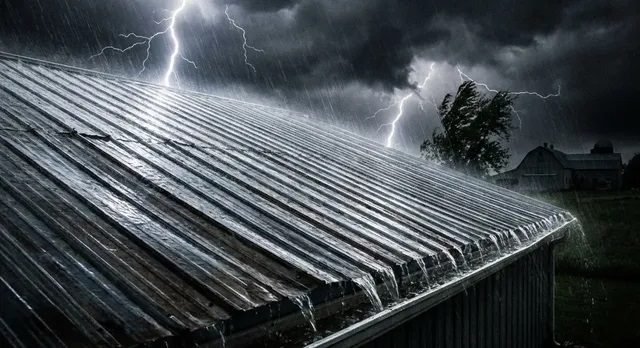
Think of these strips as the unsung heroes of your roof. While the panels do the heavy lifting, closure strips act like the seal on a high-end cooler — they keep the good stuff in and the bad stuff out. If you want a roof that doesn’t just look sharp but actually performs when Michigan weather gets wild, you need to understand how these work.
What Closure Strips Are and How They Work
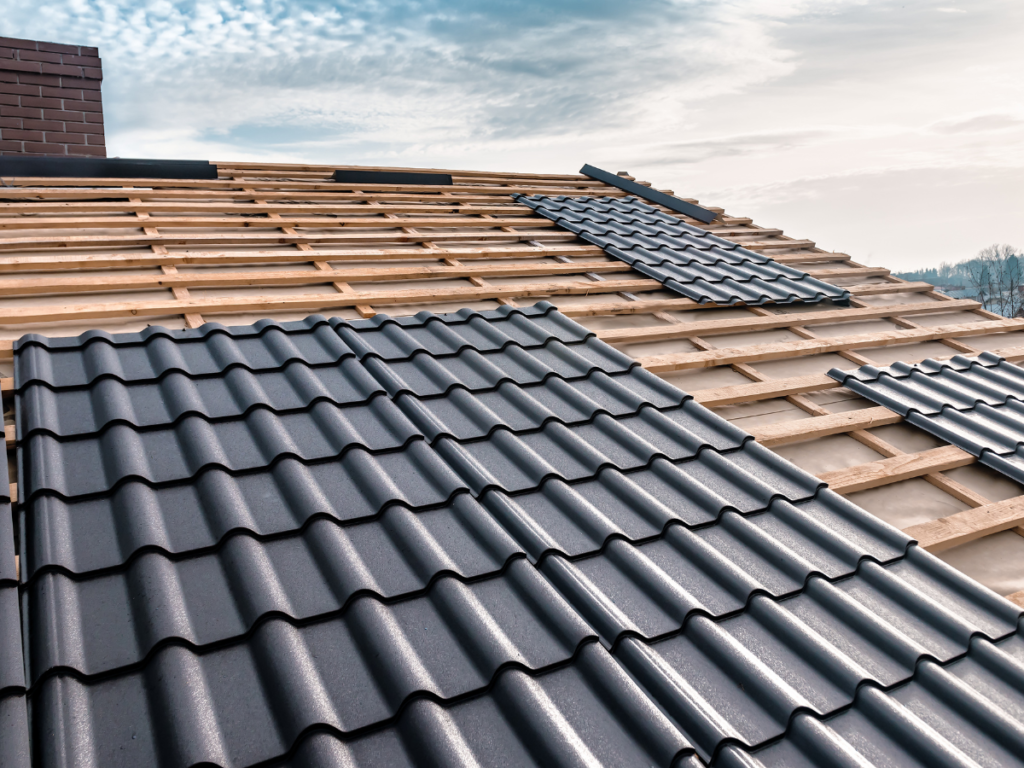
Closure strips are specifically shaped pieces of material designed to fill the gaps created by the profile of corrugated or ribbed metal roofing panels. Because metal panels aren’t flat — they have ridges and valleys for strength and drainage — there are naturally open spots where the panel meets a flat surface like a ridge cap or eave.
These strips act as a gasket. They fit snugly into those ribs to create a tight seal. Without them, your metal roof would essentially have a series of small tunnels leading directly into your attic or onto your roof deck. They work by compressing under the weight of the trim or panels, ensuring nothing gets through those gaps that shouldn’t be there.
Types of Closure Strips Explained
Not all seals are created equal. Depending on where they go in your home, you’ll encounter two main types:
- Outside Closure Strips: Used on top of the panels, usually under the ridge cap. They follow the contour of the upper side of the metal.
- Inside Closure Strips: Go underneath the panels at the eave. They fill the gaps between the roof deck and the bottom of the corrugated ribs.
In terms of material, foam closure strips are the standard. These are typically made from high-density, closed-cell polyethylene or EPDM — tough, flexible, and UV-resistant. Some are solid (blocking everything), while others are vented (allowing airflow while still blocking debris and critters).
Pro Tip from The Metal Shop: Always match your closure strip to your specific panel profile. Our 5-Rib panels, standing seam (ClipLoc), and board and batten profiles each require a different strip shape. Bring your panel specs when ordering — or give us a call and we’ll help you get the right fit.
When Closure Strips Are Necessary
Generally, the answer is a resounding yes — for any enclosed or residential structure. They are especially crucial when:
- Water Infiltration is a Risk: Wind-driven rain can easily push up under a ridge cap. Closure strips stop that water cold.
- You Have a Heated Space: Homes and finished shops need that airtight seal to maintain energy efficiency and reduce heating costs.
- The Slope is Low: On lower-pitched roofs, water moves more slowly and is more likely to find its way into gaps through capillary action.
- You’re in Michigan: Heavy snow loads, freeze-thaw cycles, and high-humidity summers make proper sealing non-negotiable here.
Do Closure Strips Affect Roof Longevity?
Absolutely. A metal roof from The Metal Shop is built to last 40–70 years — but the structure underneath it isn’t always as resilient. If moisture constantly seeps through panel gaps, it leads to rot in the wood decking and rust on the underside of the metal.
Closure strips prevent that slow, invisible decay. Think of it as the difference between a waterproof jacket and one with a broken zipper — both might look good, but only one keeps you dry in a storm.
How Closure Strips Improve Weather Resistance
Michigan weather is unpredictable. Closure strips provide a formidable defense:
- Wind Protection: High-wind events can build air pressure under panels. Strips help equalize that pressure and prevent wind from “catching” panel edges.
- Snow Blockage: Fine powder snow can be blown into tiny gaps, melt, and cause attic leaks. Foam closures block the entry point entirely.
- Debris Prevention: Leaves, pine needles, and dust collect in gaps. Damp debris against metal accelerates corrosion. Strips keep channels clear.
- Pest Barrier: Wasps, bees, and rodents see open metal ribs as an open invitation. Closure strips shut that door permanently.
How to Choose the Right Closure Strip
To get the right fit, match the strip to your specific panel profile. The “teeth” of the closure strip must align with the height and spacing of your panel ribs perfectly.
You also need to choose between vented and non-vented:
| Situation | Recommended Type |
|---|---|
| Ridge with attic ventilation | Vented closure strip |
| Eave or sealed ridge | Solid closure strip |
| Gable vents present | Solid closure strip |
| Open-air structure (carport) | Optional |
Maintenance Tips for Metal Roof Closure Strips
High-quality foam closures typically last 20–30 years, but a little attention goes a long way:
- Visual Checks: Every couple of years, inspect your ridge caps and eaves. Foam sticking out or compressed gaps mean it’s time for a refresh.
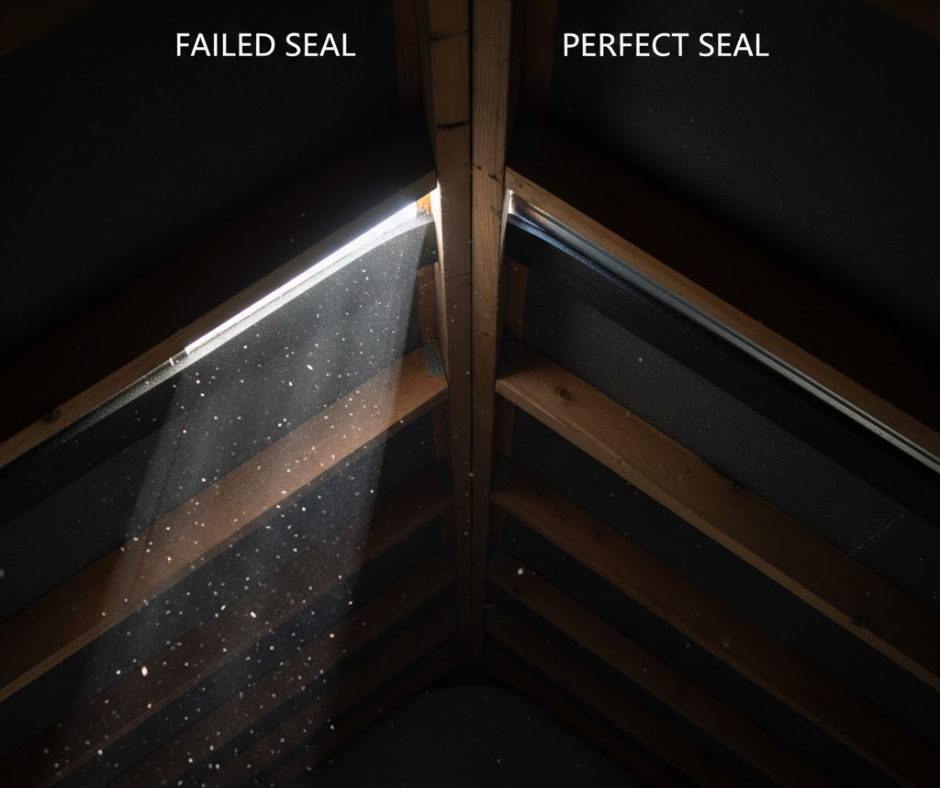
- Check for Light: In your attic on a sunny day, turn off the lights. Daylight peeking through the ridges means your closures have failed.
- Clear the Gutters: Debris-free eaves prevent water from backing up against inside closure strips, extending their life significantly.
FAQs
1: What do closure strips do on a metal roof?
They seal the gaps between metal panels and roof trim, preventing water, wind, insects, and debris from getting under the metal and damaging the structure.
2: Are closure strips required for all metal roofs?
They’re technically optional for open-air structures like carports, but highly recommended for any residential or enclosed building.
3: Can closure strips reduce roof noise?
Yes! By creating a snug fit and cushioning the space between the panel and trim, they reduce “chatter” and rattling during high winds.
4: Do closure strips help with pests?
Definitely. They act as a physical barrier that keeps wasps, bees, and rodents out of your attic.
5: How long do closure strips last?
High-quality foam closures typically last 20–30 years, depending on climate and UV exposure.
6: Do I need different closure strips for different panel profiles?
Yes — and this is important. A 5-Rib panel requires a different strip than a standing seam or corrugated panel. Using the wrong profile leaves gaps. At The Metal Shop, we can match the right closure to your exact panel so nothing is left to chance.
Conclusion
Getting your roof right means paying attention to the small things. While the big metal panels get all the glory, closure strips do the dirty work of keeping your home dry, quiet, and pest-free for decades. Don’t skip this step — it’s the difference between a good-looking roof and one that truly performs.
Ready to make sure your next project has everything it needs? At The Metal Shop, we manufacture our panels right here in Michigan — and we’ll make sure you have every component for a complete, professional installation. Explore our metal roofing products or call us at (269) 215-2003 for a free estimate.