
Choosing between roofing panel types can be confusing, especially when both options seem reliable at first glance. Many property owners struggle to understand the real differences between standing seam vs 5-rib panels, which often leads to uncertainty during the decision-making process. Each panel type offers distinct advantages, but selecting the wrong one for your needs can affect both performance and budget. If you are exploring options like metal roofing panels, understanding how these two systems compare can help you move forward with clarity.
Another challenge is balancing cost with long-term value. Some buyers focus only on upfront pricing, while others prioritize durability and design. Without a clear comparison, it becomes difficult to determine which option fits your project best. Standing seam and 5-rib panels are both widely used, but they serve different purposes depending on the application. The Metal Shop LLC manufactures and supplies both panel types with consistent quality, helping buyers choose materials that align with their project requirements.
What Are Standing Seam Panels
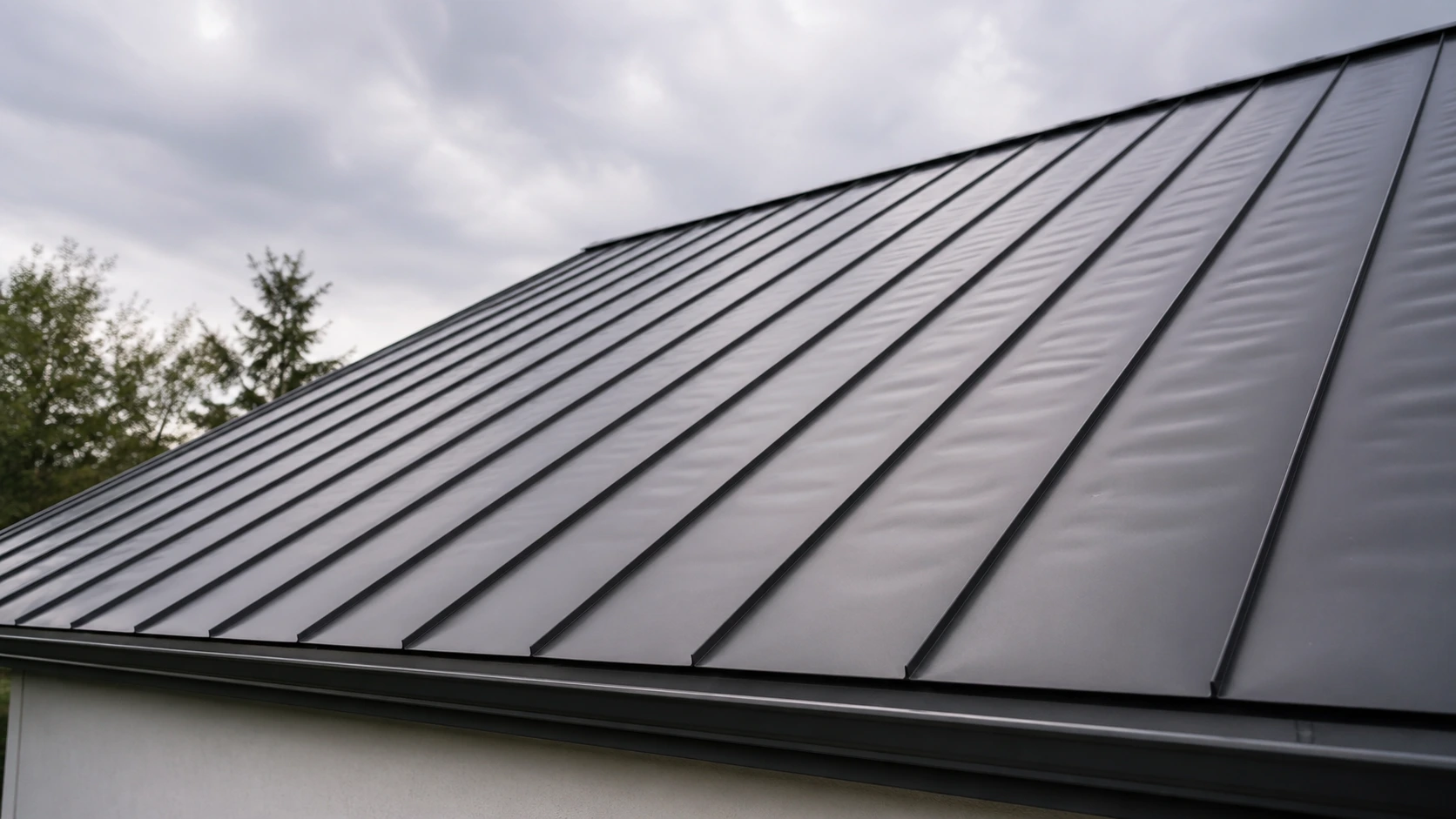
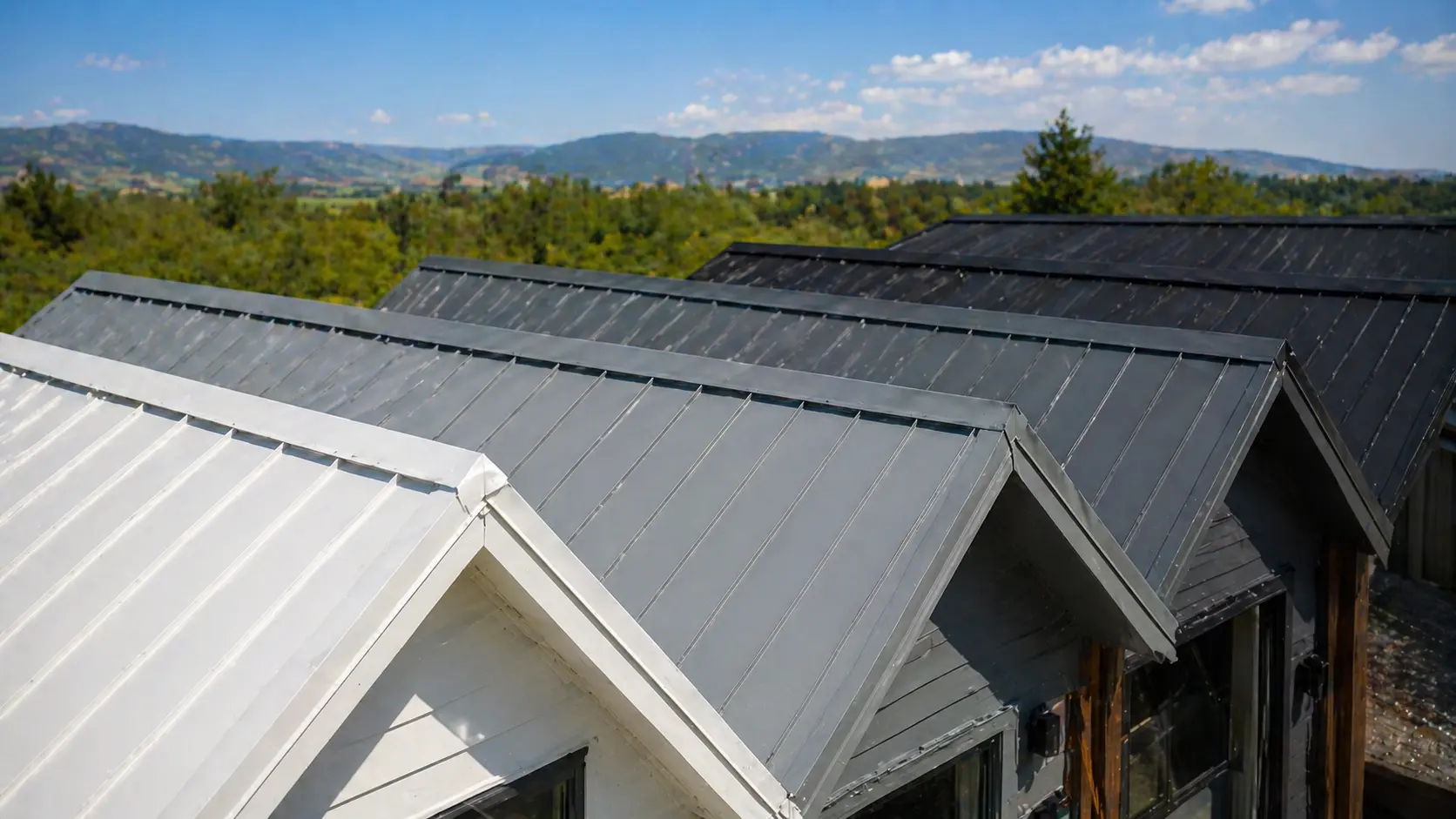
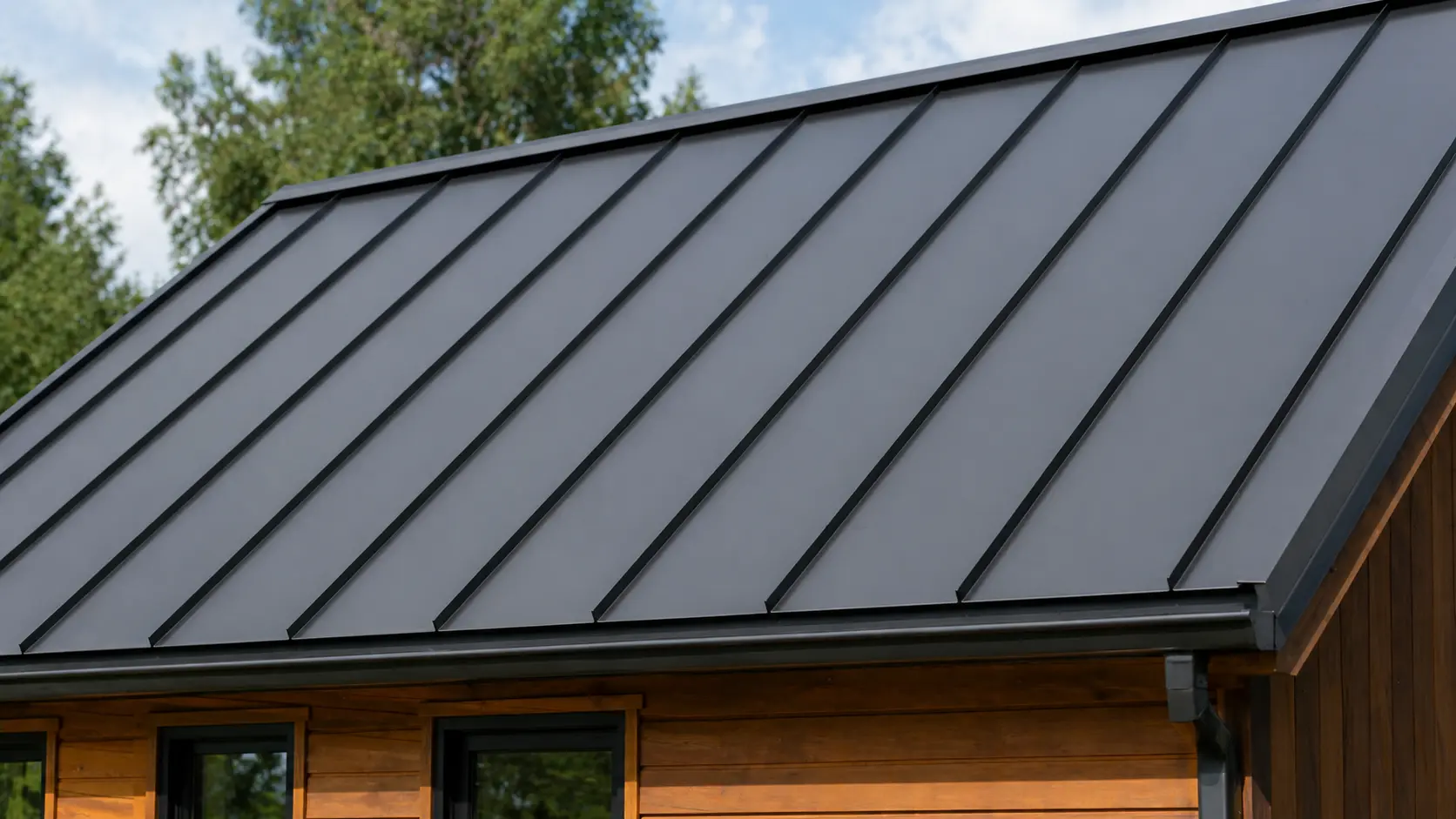
Standing seam panels are metal roofing panels that feature raised seams running vertically along the surface. These seams create a concealed fastening system, which means fasteners are not exposed on the panel surface.
This design provides a clean and structured appearance while supporting durability. Because the fasteners are hidden, the panels are less exposed to environmental factors. This makes standing seam panels a preferred choice for projects that prioritize long-term performance and design consistency.
What Are 5-Rib Panels
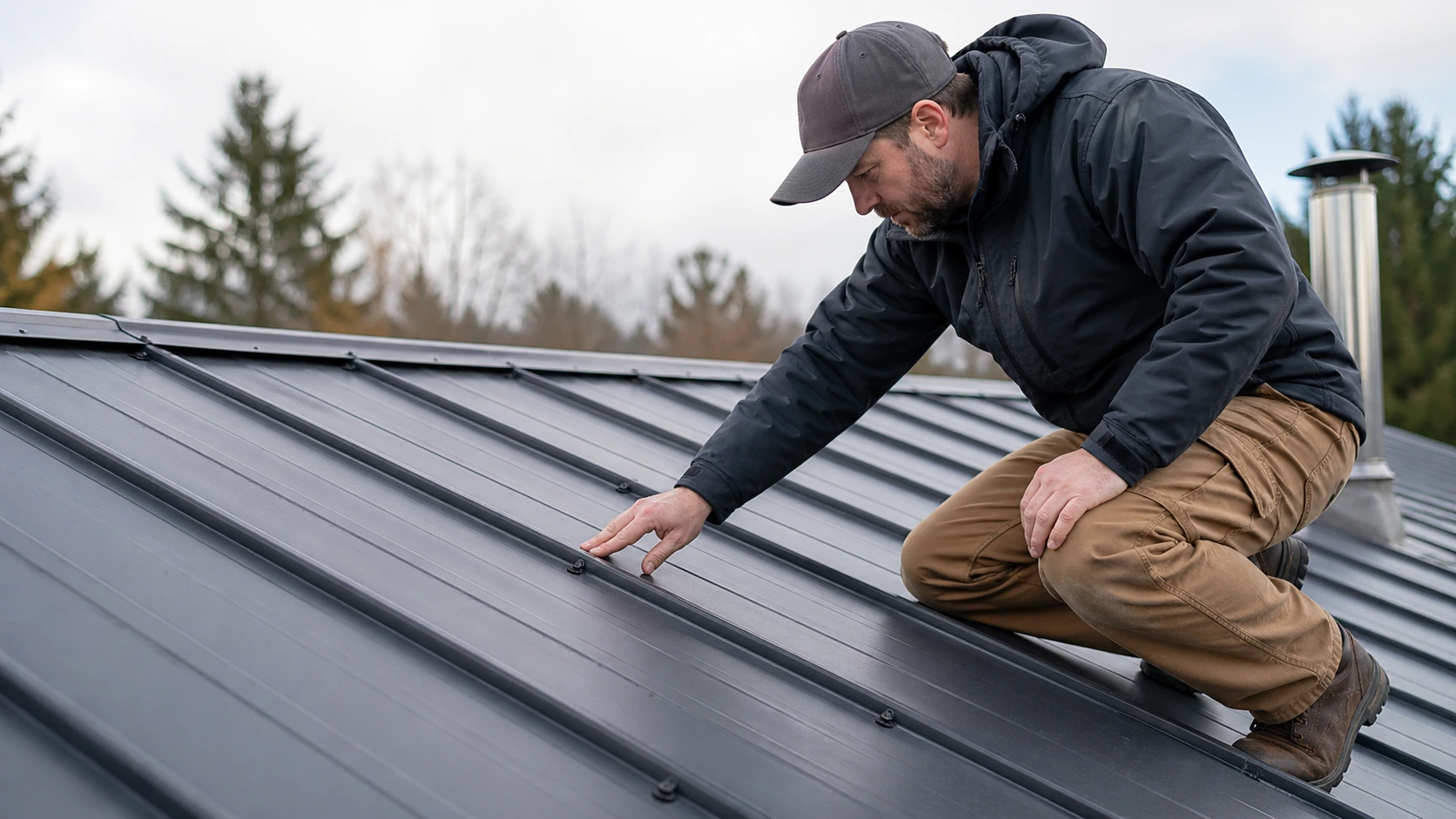
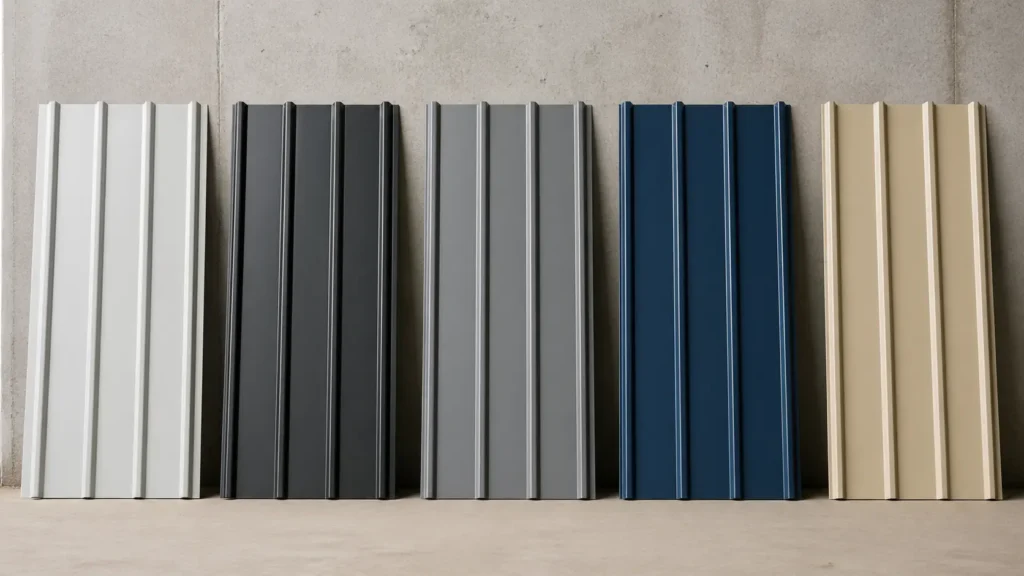
5-rib panels are exposed fastener metal panels that feature five raised ribs across their width. These ribs provide structural strength and help manage water flow across the surface.
Unlike standing seam panels, the fasteners in 5-rib panels are visible. This makes them more cost-effective while still offering reliable performance. They are commonly used in residential, agricultural, and commercial applications where efficiency and affordability are important.
Key Differences Between Standing Seam vs 5-Rib Panels
Understanding the main differences between these two panel types can help you evaluate which option suits your project.
- Standing seam panels use concealed fasteners, while 5-rib panels use exposed fasteners
- Standing seam offers a more structured appearance, while 5-rib provides a practical design
- 5-rib panels are generally more cost-effective compared to standing seam
- Standing seam panels focus on long-term durability, while 5-rib panels balance cost and performance
- Both options are manufactured for consistency but serve different project needs
These differences highlight how each panel type fits specific applications.
Cost Comparison
Cost is often one of the first factors buyers consider. 5-rib panels are typically more budget-friendly due to their simpler design and exposed fastener system. This makes them a practical option for projects where cost efficiency is important.
Standing seam panels, on the other hand, generally involve higher material costs. This is due to their design and manufacturing requirements. While the upfront cost may be higher, they can offer long-term value depending on the project.
Performance and Durability
Both panel types are designed to provide reliable performance, but they differ in how they handle environmental exposure. Standing seam panels, with their concealed fasteners, reduce exposure to external elements, which can support long-term durability.
5-rib panels also perform well when manufactured with quality materials and coatings. Their ribbed design adds strength, making them suitable for a variety of applications. Choosing between the two depends on how much emphasis is placed on durability versus cost.
Design and Appearance
Appearance plays a significant role in many projects. Standing seam panels offer a clean and uniform look due to their vertical seams and hidden fasteners. This makes them suitable for projects where design consistency is important.
5-rib panels provide a more traditional and functional appearance. Their visible fasteners and ribbed structure create a practical look that works well for many building types. The choice often depends on design preferences and project goals.
Where Each Panel Type Works Best
Standing seam panels are commonly used in residential and commercial projects where long-term performance and appearance are priorities. Their design supports consistent results across larger surfaces.
5-rib panels are widely used in agricultural buildings, garages, and utility structures. They are also suitable for residential projects where cost efficiency is a key factor. Understanding these applications helps buyers choose the right panel type.
What to Consider Before Choosing
Before deciding between standing seam vs 5-rib panels, it is important to evaluate project requirements. Factors such as budget, design preferences, and long-term performance should be considered.
Material quality and coating systems also play a role in how the panels perform over time. Working with a reliable supplier ensures that the panels are manufactured with consistency and meet required standards.
Common Buyer Mistakes
One common mistake is choosing a panel type based only on cost. While budget is important, ignoring performance factors can lead to issues later. Another mistake is not considering the design requirements of the project.
Some buyers also overlook material specifications such as thickness and coating. Ensuring that all factors are reviewed helps avoid these mistakes and supports better decision-making.
Why Manufacturing Quality Matters
Manufacturing quality directly affects how panels perform over time. Precision in production ensures that panels maintain consistent dimensions and coating quality. This improves both durability and appearance.
Choosing a manufacturer that focuses on consistency helps ensure reliable results. This is especially important for projects that require uniformity across large surfaces.
Coordinating Panels with Accessories
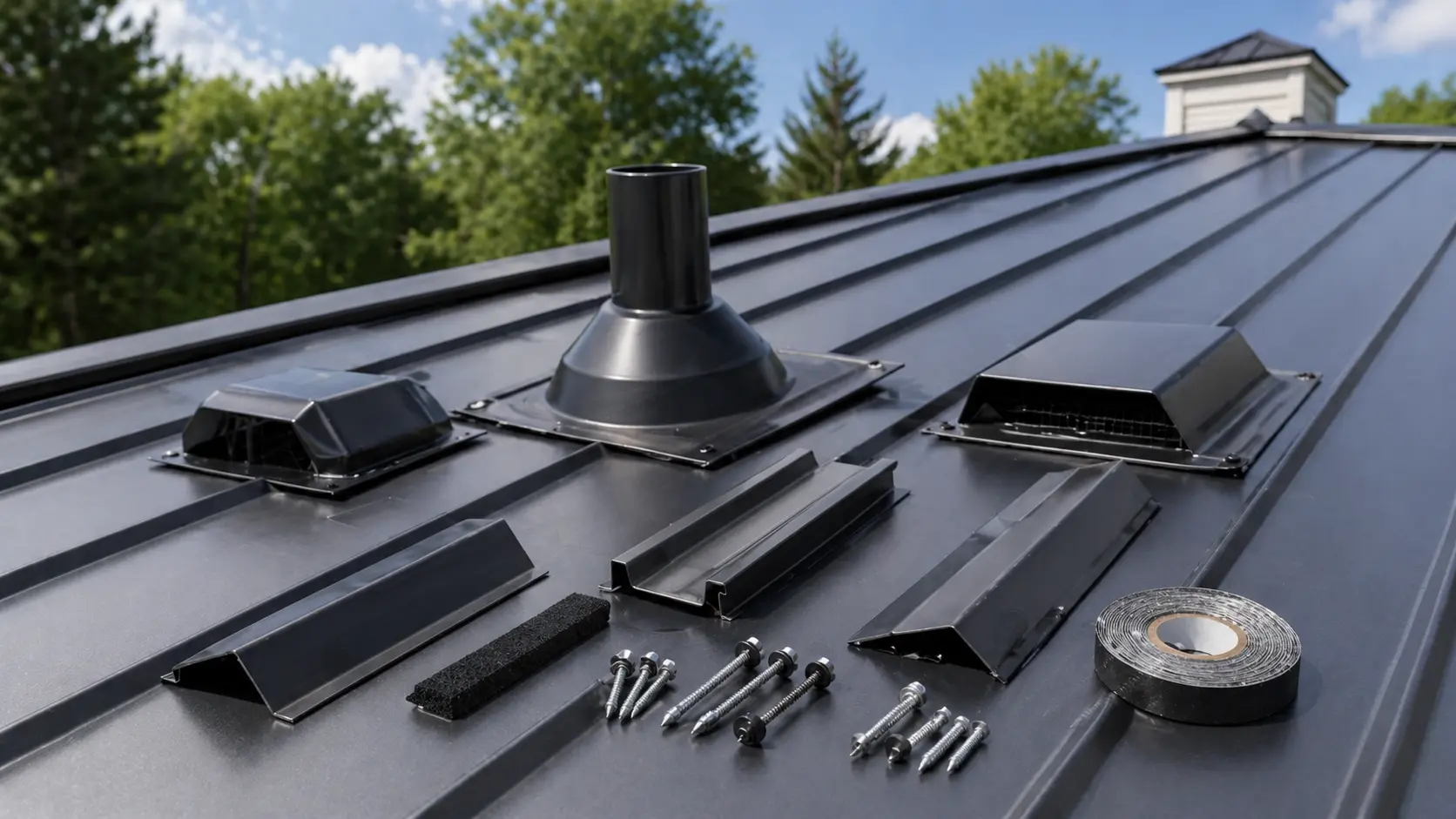
A complete roofing system includes more than just panels. Supporting components such as trims and fasteners play a key role in overall performance. Ensuring compatibility between panels and accessories is essential.
Exploring options like roofing accessories helps ensure that all components align with the selected panel type. This improves both performance and system reliability.
Conclusion
Standing seam vs 5-rib panels each offer unique advantages depending on project requirements. Standing seam panels focus on design consistency and long-term durability, while 5-rib panels provide a cost-effective and practical solution.
The Metal Shop LLC manufactures and supplies both panel types with a focus on quality and consistency. By understanding the differences and evaluating your project needs, you can choose the option that delivers the best results.
FAQs
What is the main difference between standing seam and 5-rib panels
Standing seam panels use concealed fasteners, while 5-rib panels use exposed fasteners.
Which panel type is more cost-effective
5-rib panels are generally more budget-friendly compared to standing seam panels.
Are standing seam panels more durable
They can offer better long-term durability due to their concealed fastening system.
Where are 5-rib panels commonly used
They are used in residential, agricultural, and commercial buildings.
How do I choose between the two
Consider factors such as budget, design preferences, and performance requirements.
Does The Metal Shop LLC provide installation services
The Metal Shop LLC manufactures and supplies metal roofing products. Installation is handled by your contractor.