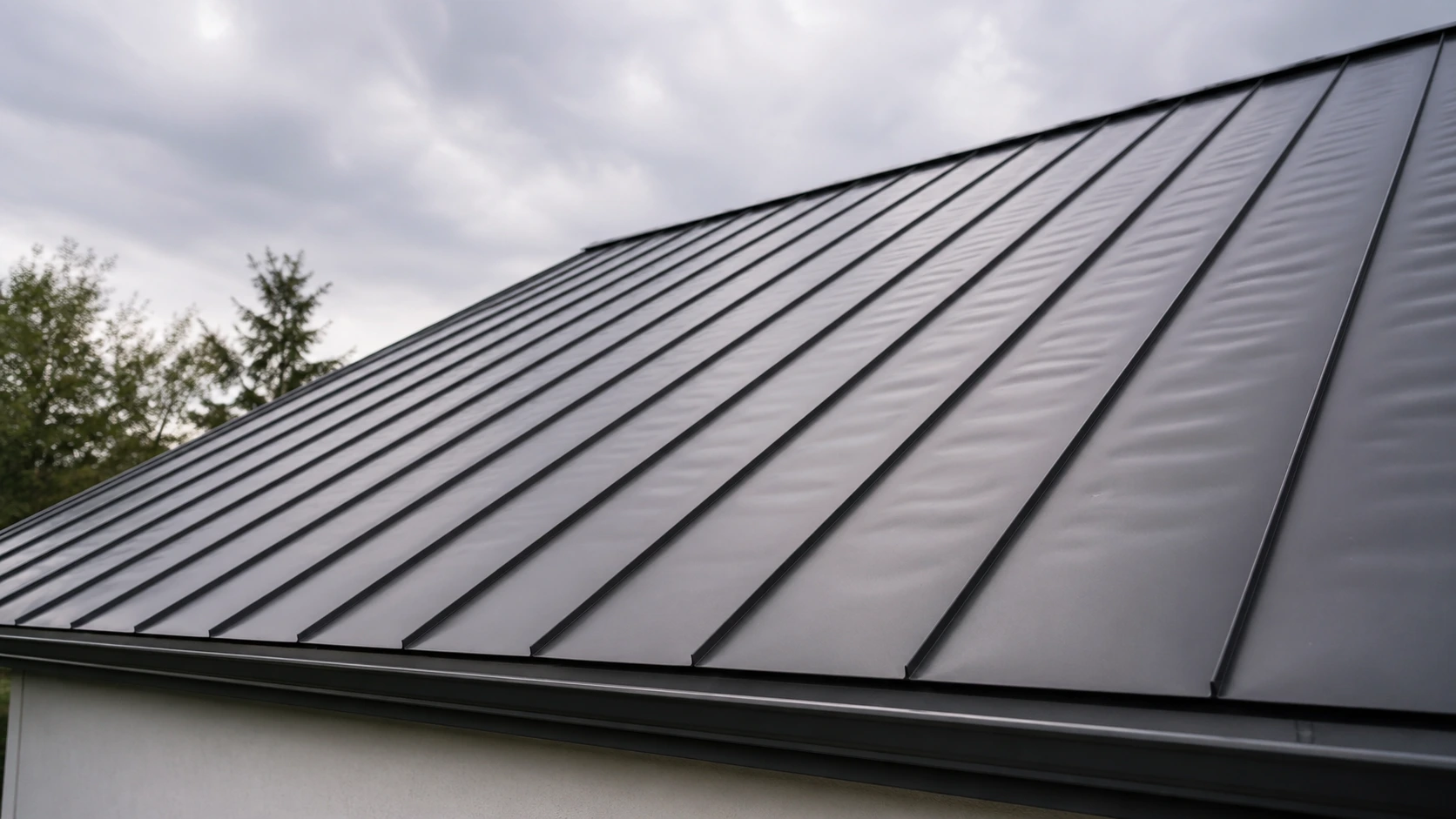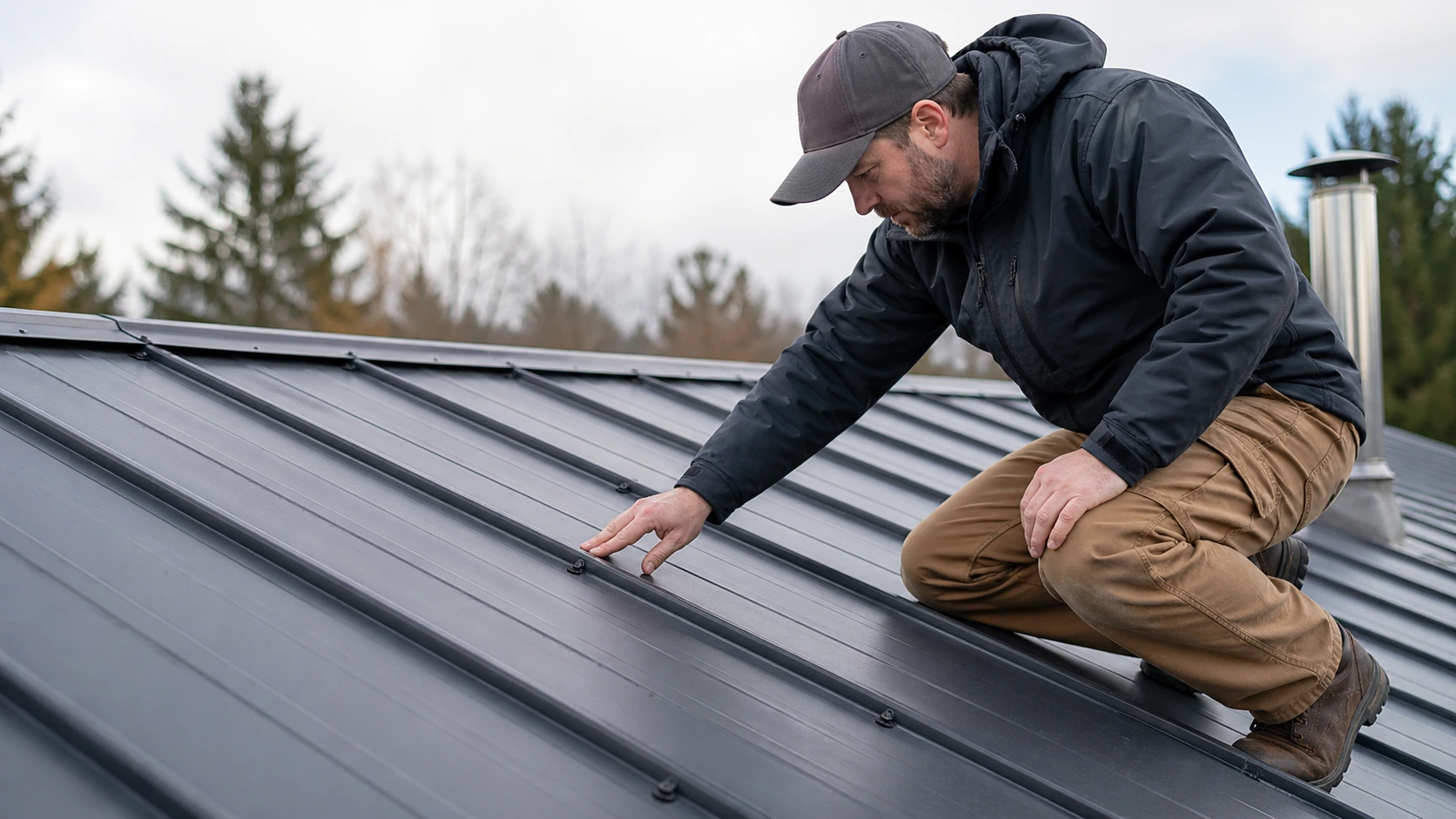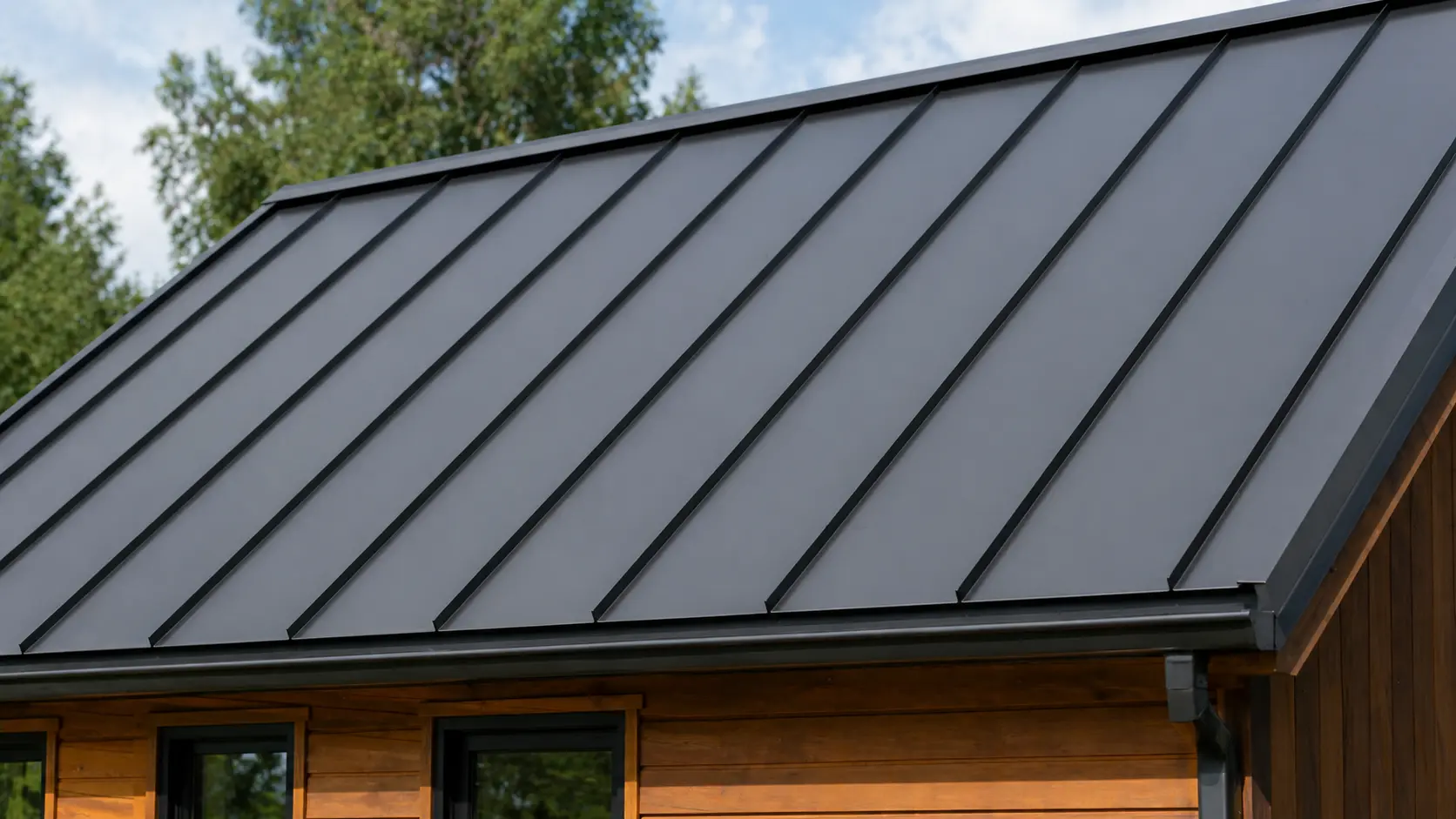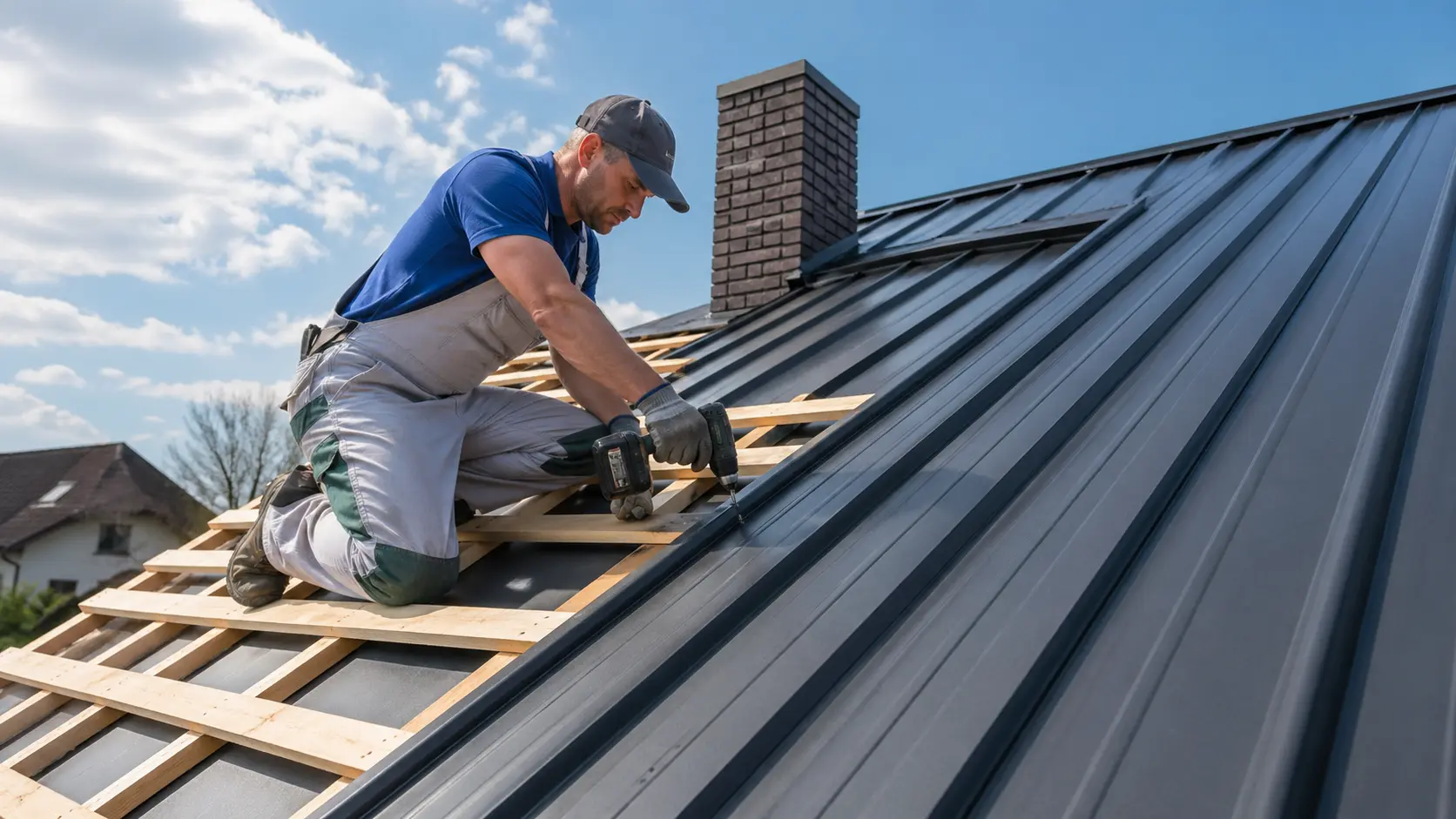

Planning a new structure often comes with multiple challenges. Many property owners and contractors struggle to find a building solution that is both efficient and reliable without increasing costs or complexity. Traditional construction methods can take longer, involve multiple variables, and create uncertainty in timelines. This is where K Buildings, also known as pre-engineered metal kits, offer a practical alternative. These systems are designed for efficiency, consistency, and long-term performance. If you are exploring options like pre-engineered metal building kits, understanding how K Buildings work can help you make a well-informed decision.
Another common issue is managing material quality and project predictability. When components are sourced from different places, maintaining consistency becomes difficult. K Buildings solve this by providing a structured system where components are manufactured to precise specifications. This reduces variation and improves coordination across the entire project. The Metal Shop LLC focuses on manufacturing and supplying these building kits with attention to accuracy and repeatability, making them suitable for a wide range of applications.
What Are K Buildings
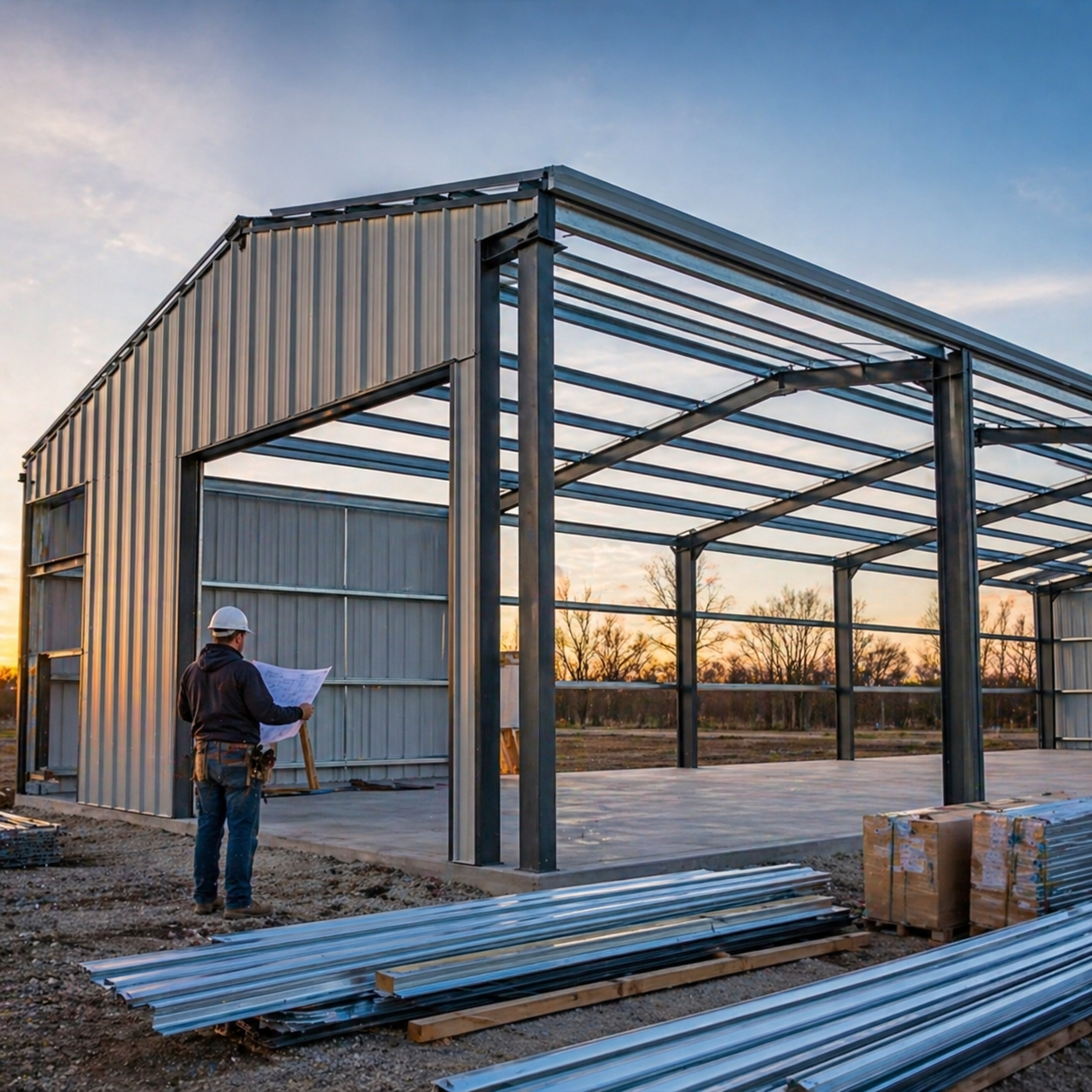
K Buildings are pre-engineered metal building kits that include structural components manufactured in advance and supplied as a complete system. These kits are designed to provide a streamlined building solution where parts are fabricated to fit together accurately.
Instead of relying on traditional construction processes that involve multiple stages and adjustments, K Buildings are produced with a defined structure in mind. This ensures that each component aligns with the overall design. The result is a building system that supports efficiency, reduces material waste, and improves project planning.
How Pre-Engineered Metal Kits Are Manufactured
The strength and performance of K Buildings depend on how they are manufactured. At The Metal Shop LLC, the process focuses on precision and consistency. Steel components are selected based on required strength and specifications, ensuring they meet structural needs.
These components are then fabricated using controlled processes that shape and prepare them for assembly. Each part is produced with accuracy so that it fits within the overall system. Protective coatings are applied to improve resistance against environmental exposure. This approach ensures that the final kit is reliable and ready to be supplied for different types of projects.
Key Features of K Buildings
K Buildings offer several features that make them a practical choice for modern construction needs.
- Pre-engineered components designed for accuracy and consistency
- Strong structural framework suitable for different building types
- Efficient material usage that reduces waste
- Durable metal construction that supports long-term performance
- Flexibility in design to meet various project requirements
These features make K Buildings suitable for both small and large-scale applications.
Where K Buildings Are Commonly Used
K Buildings are widely used across different sectors due to their adaptability. In agricultural settings, they are often used for barns, storage facilities, and equipment shelters. Their strong structure and durability make them suitable for handling daily use and exposure.
In commercial and industrial environments, K Buildings are used for warehouses, workshops, and utility spaces. They provide a dependable structure that supports operational needs. Residential applications also benefit from these systems, especially for garages and additional storage spaces. Their versatility allows them to meet different project requirements effectively.
K Buildings vs Traditional Construction
When comparing K Buildings to traditional construction methods, several differences become clear. Traditional construction often involves multiple stages, which can lead to delays and inconsistencies. K Buildings, on the other hand, are manufactured with predefined specifications, which helps improve predictability.
Another difference is material efficiency. Pre-engineered kits are designed to use materials more effectively, reducing waste. This makes them a practical option for projects where efficiency and planning are important. Understanding these differences helps buyers evaluate which approach aligns better with their needs.
What to Consider Before Choosing K Buildings
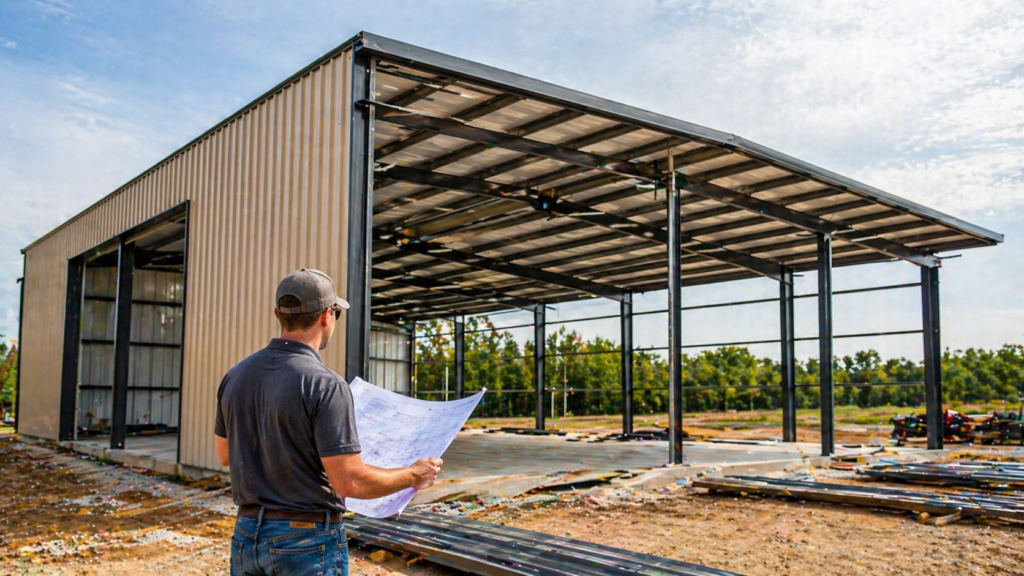
Before selecting a pre-engineered metal kit, it is important to evaluate key factors that influence performance and usability. The quality of materials used in manufacturing plays a major role in durability. Ensuring that components meet required specifications helps maintain structural integrity.
Project requirements should also be considered, including size, purpose, and design preferences. Working with a reliable supplier ensures that the components are manufactured with consistency and delivered as expected. These considerations help ensure that the building system performs effectively over time.
Common Buyer Mistakes to Avoid
Many buyers focus only on cost and overlook important details. While budget is important, ignoring material quality can lead to long-term issues. Another common mistake is not reviewing specifications carefully, which can result in mismatched components.
Choosing a supplier without proven manufacturing expertise can also affect results. Consistency and accuracy are essential in pre-engineered systems. Ensuring that all components are produced with precision helps avoid complications later. Being aware of these mistakes can help buyers make better decisions.
Why Manufacturing Quality Matters
Manufacturing quality directly impacts how K Buildings perform over time. Precision in fabrication ensures that components align correctly. Consistent production standards improve reliability and reduce the chances of errors.
High-quality coatings and materials help protect the structure from environmental exposure. When components are manufactured with attention to detail, they deliver dependable performance across different conditions. This makes manufacturing quality a critical factor in choosing a supplier.
Supporting Components for a Complete Building System
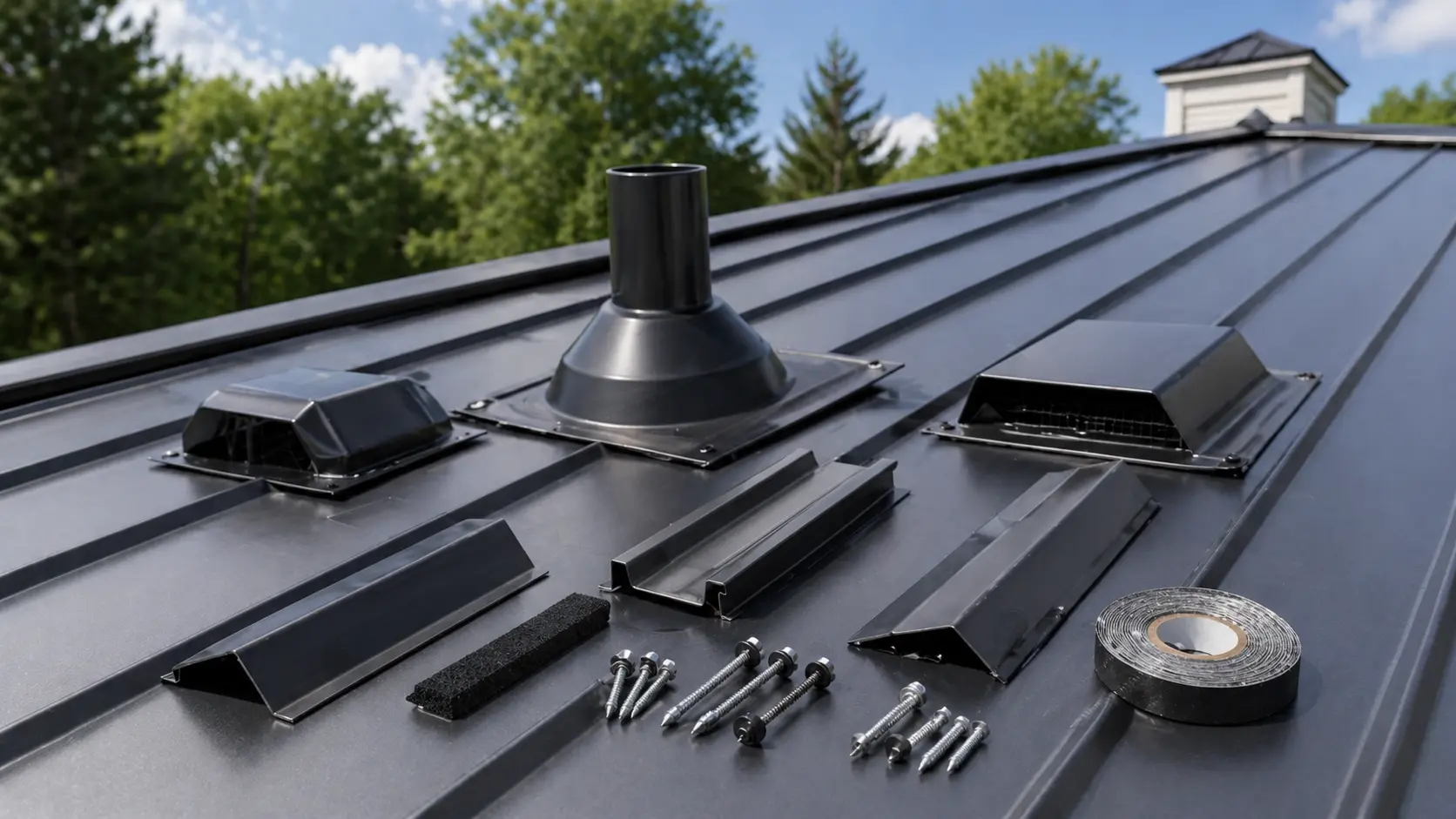
A complete K Building system includes more than just structural components. Supporting elements play an important role in overall performance. These include panels, trims, and other accessories that work together with the main structure.
Using compatible components ensures that the building system functions as intended. Exploring options like roofing accessories can help you source the necessary elements to complete your project. Proper coordination between components improves efficiency and overall results.
Conclusion
K Buildings provide a practical solution for modern construction needs by offering pre-engineered metal kits designed for efficiency and consistency. Their structured design and reliable manufacturing process make them suitable for a wide range of applications, from agricultural to commercial use.
The Metal Shop LLC manufactures and supplies K Building components with a focus on precision and durability. By choosing the right specifications and working with a trusted supplier, you can ensure your project is supported by materials designed for long-term performance.
FAQs
What are K Buildings used for
They are used for agricultural, commercial, industrial, and residential structures due to their strength and flexibility.
What makes K Buildings different from traditional construction
They are pre-engineered and manufactured with precise specifications, which improves consistency and efficiency.
Are K Buildings durable
Yes, when manufactured with high-quality materials, they provide long-term durability and reliable performance.
What factors should I consider before choosing a K Building
Material quality, project requirements, and supplier reliability are key factors.
Do K Buildings include all necessary components
They include structural components, but additional elements like panels and accessories are also required.
Does The Metal Shop LLC provide installation services
The Metal Shop LLC manufactures and supplies metal building components. Installation is handled by your contractor.