
Learning how to use bubble wrap for insulation is one of the most cost-effective ways to improve the energy efficiency of your home or workspace. While most people think of these air-filled plastic sheets as packaging material, they actually serve as a functional layer of thermal insulation. In Michigan, where winters are harsh and heating bills can skyrocket, finding a budget-friendly way to keep heat inside is essential. This guide covers everything you need to know about using bubble wrap to stop drafts, reduce condensation, and keep your building comfortable year-round.
What Is Bubble Wrap Insulation and How Does It Work for Heat Retention
Bubble wrap insulation works by creating a thermal barrier between two different temperatures. At its core, thermal insulation is about slowing down the transfer of heat. Heat naturally moves toward colder areas. The small pockets of air trapped inside the bubbles act as tiny dead-air spaces. Since air is a poor conductor of heat, these bubbles make it difficult for warmth to escape through a thin surface like window glass.
When you apply bubble wrap to a surface, you are essentially adding a layer of heat retention materials that prevent “thermal bridging.” In the world of building insulation, the goal is to trap a layer of still air. Whether you are using standard packing wrap or specialized reflective bubble foils, the physics remains the same. The plastic film prevents air movement, and the bubbles provide the thickness needed to create a buffer zone.
Benefits of Using Bubble Wrap for Insulating Windows, Walls, and Metal Buildings
The biggest advantage of this method is the low cost. Compared to fiberglass or spray foam, bubble wrap is a fraction of the price. It is an ideal DIY window insulation solution for renters or owners of older buildings in Michigan who need an immediate fix without a permanent commitment.
- Improved Energy Efficiency: By reducing heat loss through glass, you lower the workload on your furnace.
- Easy Installation: You do not need professional tools or adhesives. Often, just a spray bottle of water is enough to hold it in place.
- Light Transmission: Unlike heavy curtains or plywood, bubble wrap allows natural light to enter the room while still providing privacy.
- Moisture Control: It helps reduce condensation on cold surfaces, which prevents mold growth on window sills or metal frames.
How to Install Bubble Wrap Insulation on Windows for Maximum Efficiency
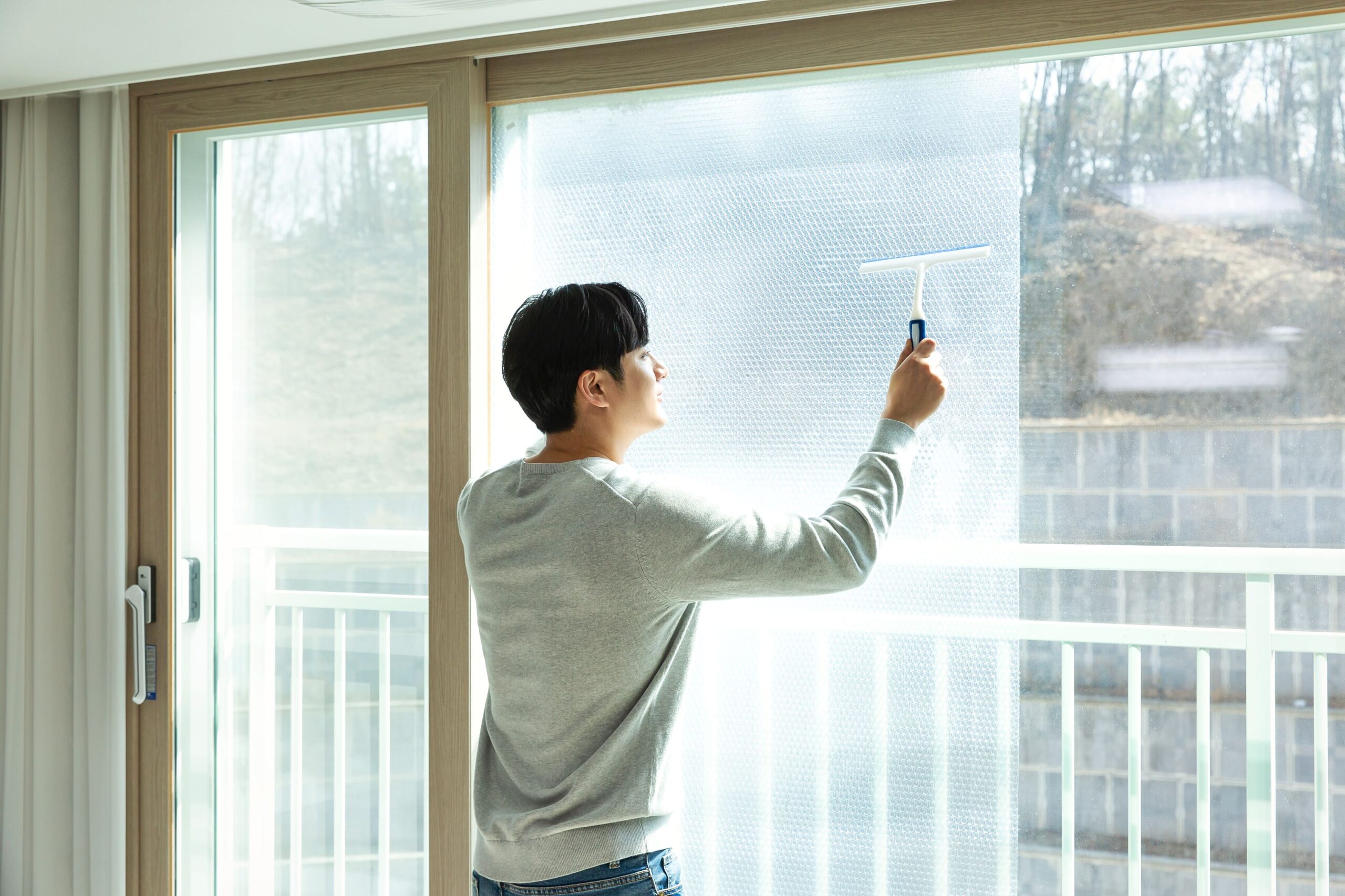
Insulating windows with bubble wrap is a simple process that anyone can do in a few minutes. To get the best results, follow these steps:
- Clean the Glass: Use a standard glass cleaner to remove all dust and grease. This ensures the wrap stays attached.
- Measure and Cut: Measure the glass pane inside the frame. Cut the bubble wrap to fit exactly. It is usually best to use the larger bubbles (roughly 1/2 inch) for better energy-efficient insulation.
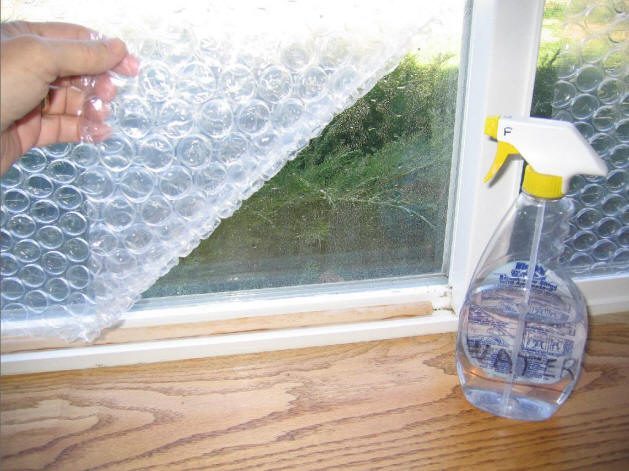
- Spray Water: Use a spray bottle to apply a thin mist of water directly onto the clean window.
- Apply the Wrap: Press the bubble side against the wet glass. The surface tension of the water will act as a vacuum seal, holding the plastic firmly in place.
- Seal the Edges: If you want extra protection, you can use a small strip of painter’s tape around the edges to prevent air from leaking out.
Using Bubble Wrap Insulation in Metal Buildings, Pole Barns, and Garages
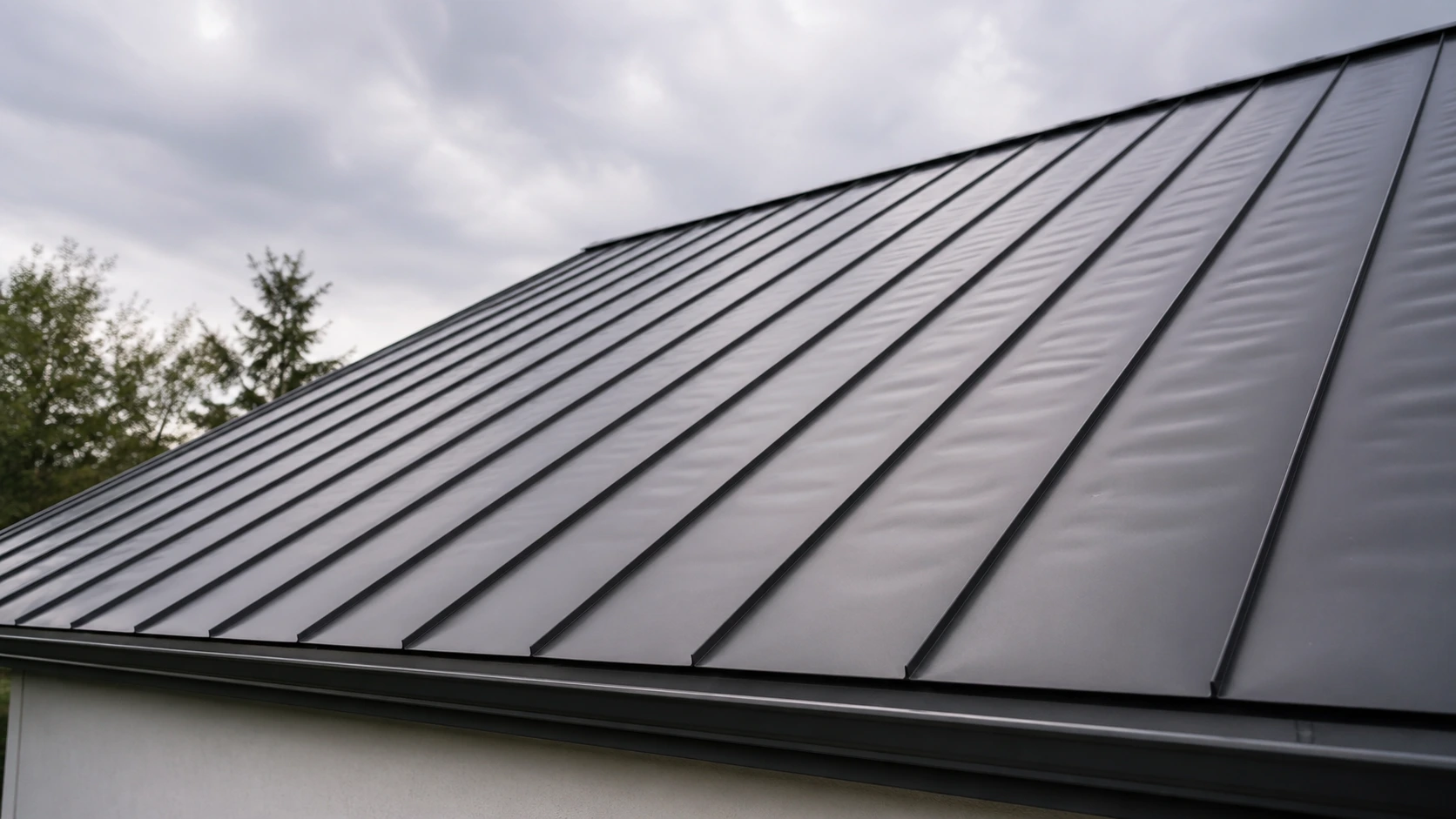
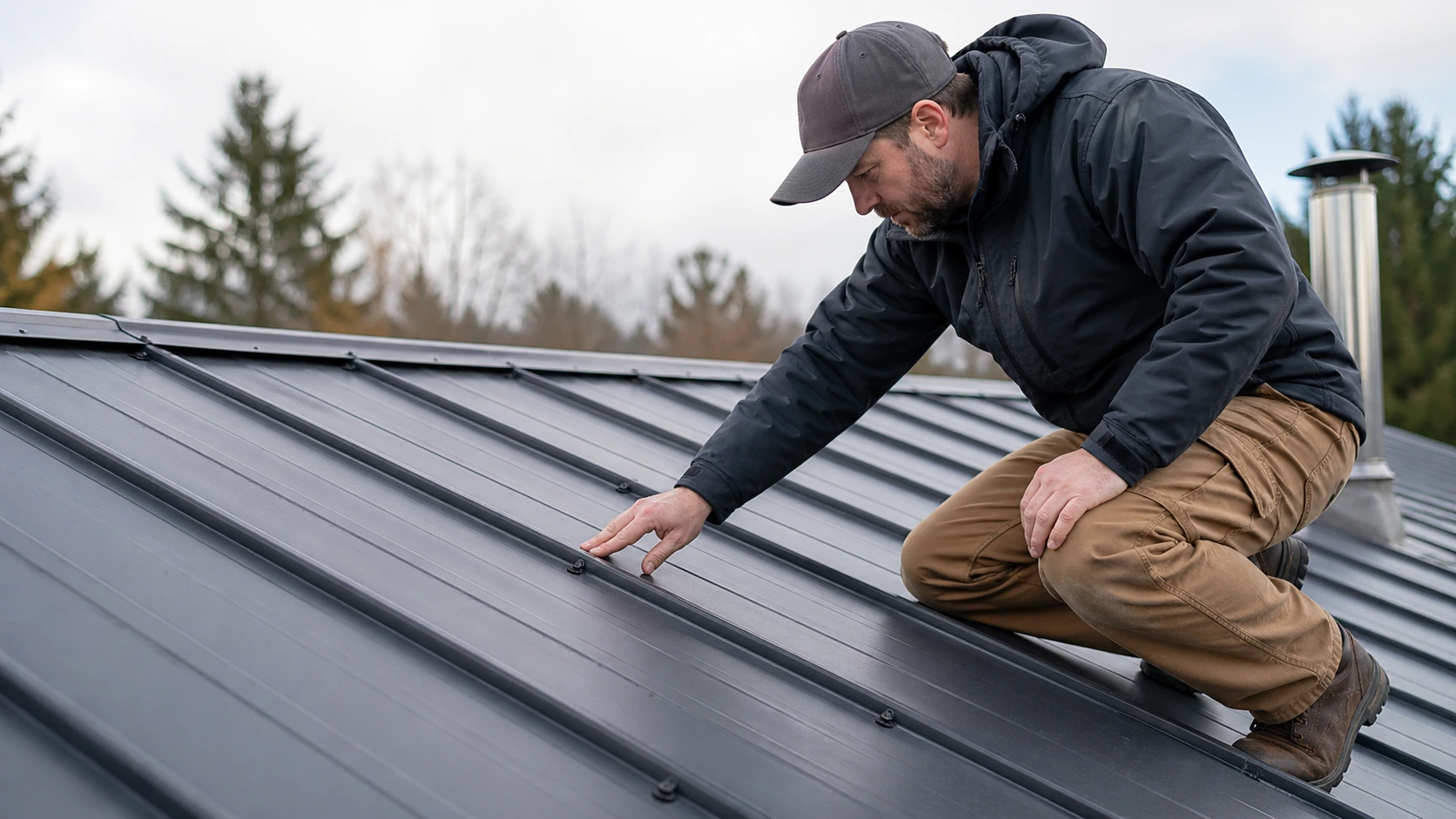
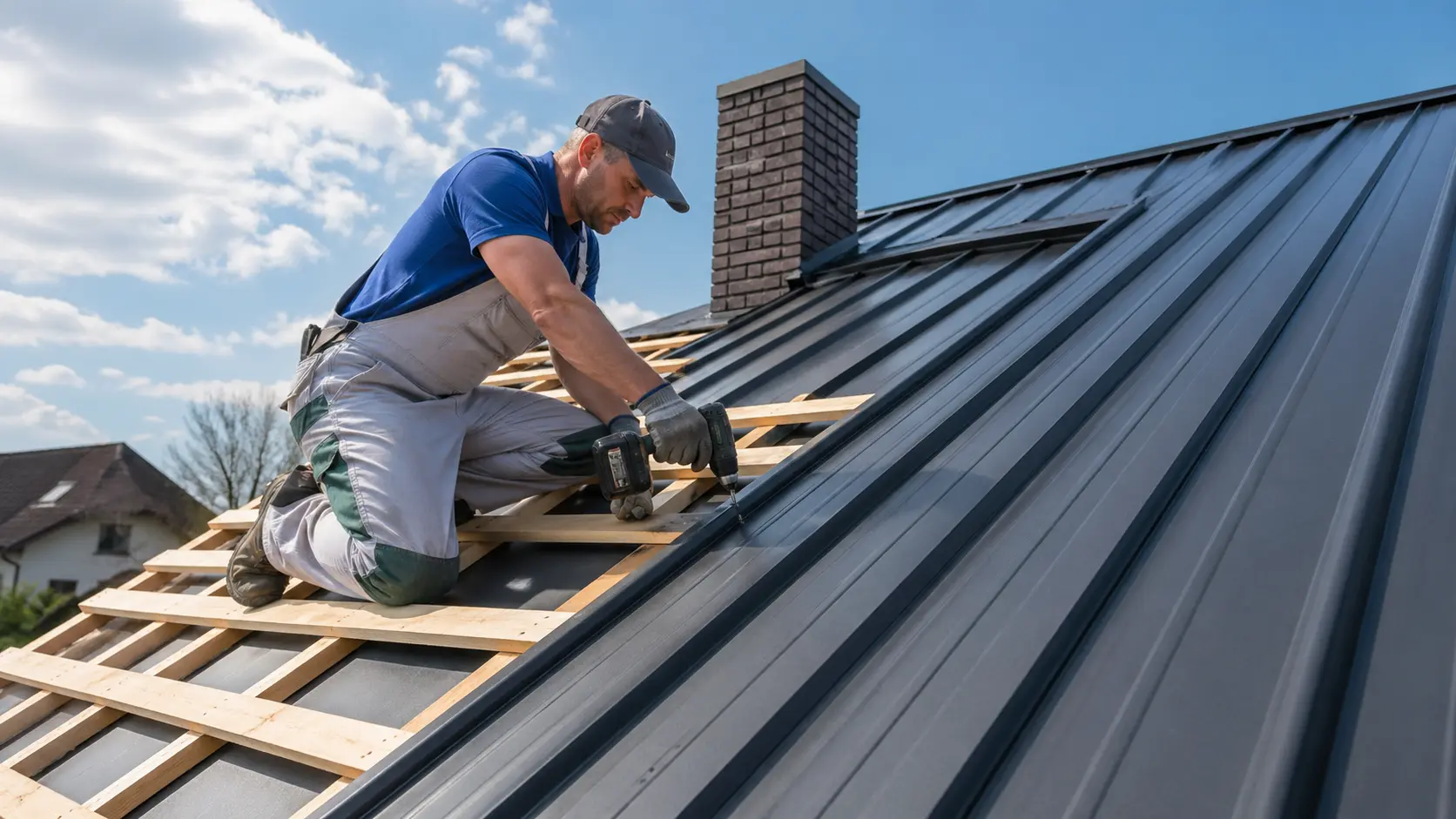
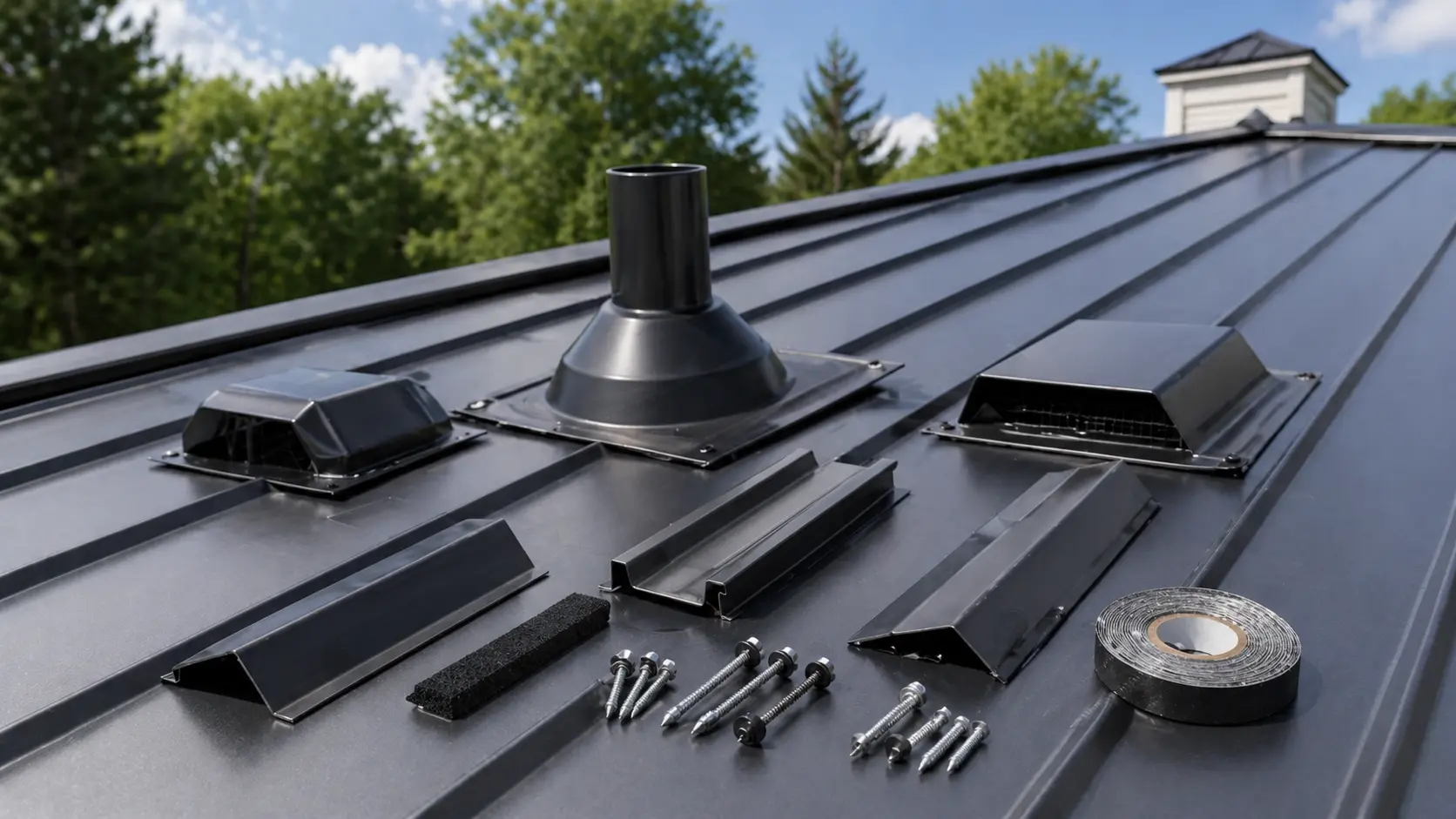
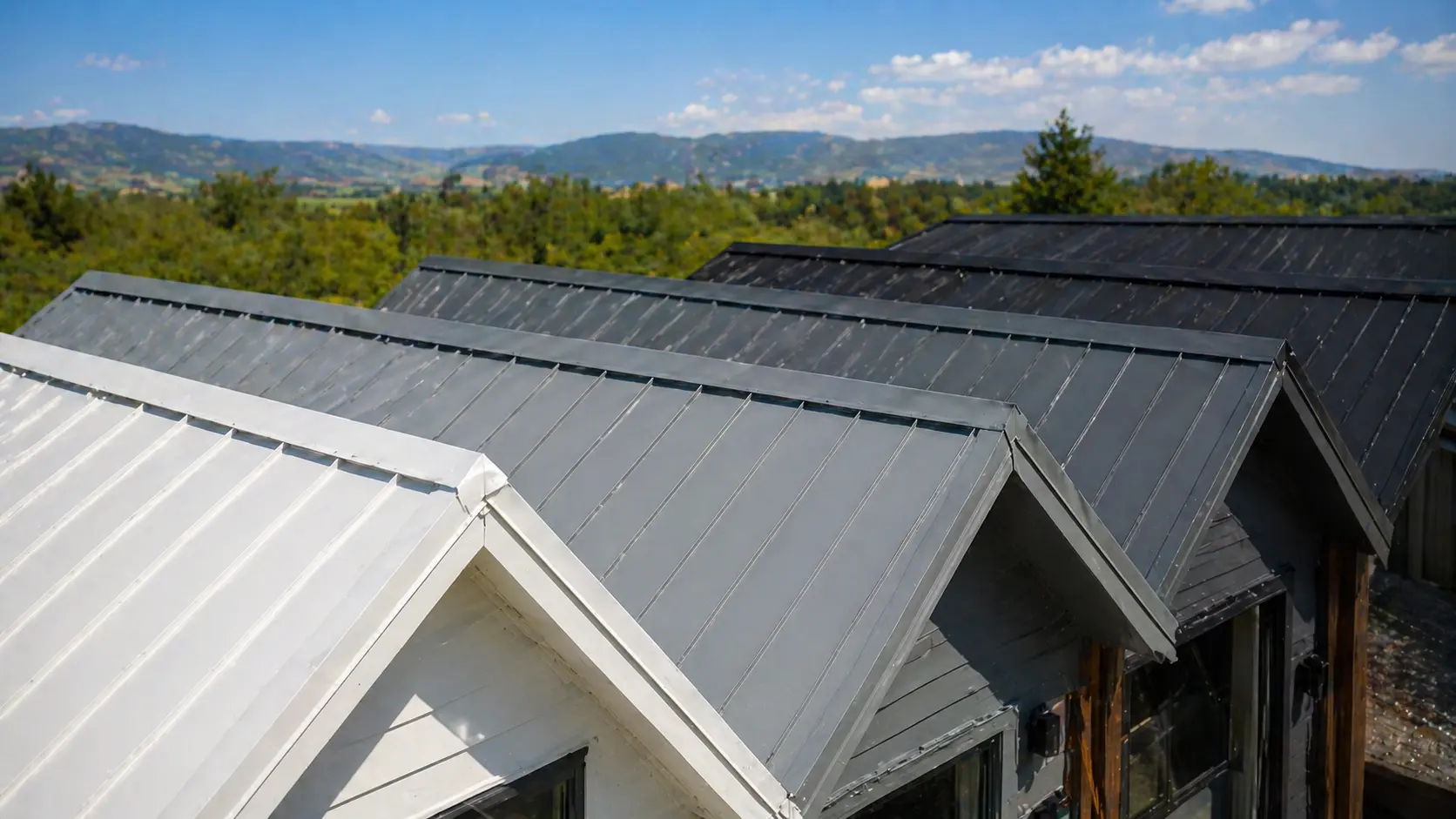
Metal structures are notorious for being difficult to heat because steel is a very efficient conductor of heat. Using bubble wrap insulation in these spaces is a great way to manage the interior climate. In a pole barn or garage, you can staple or tape reflective bubble insulation to the wall girts or roof purlins.
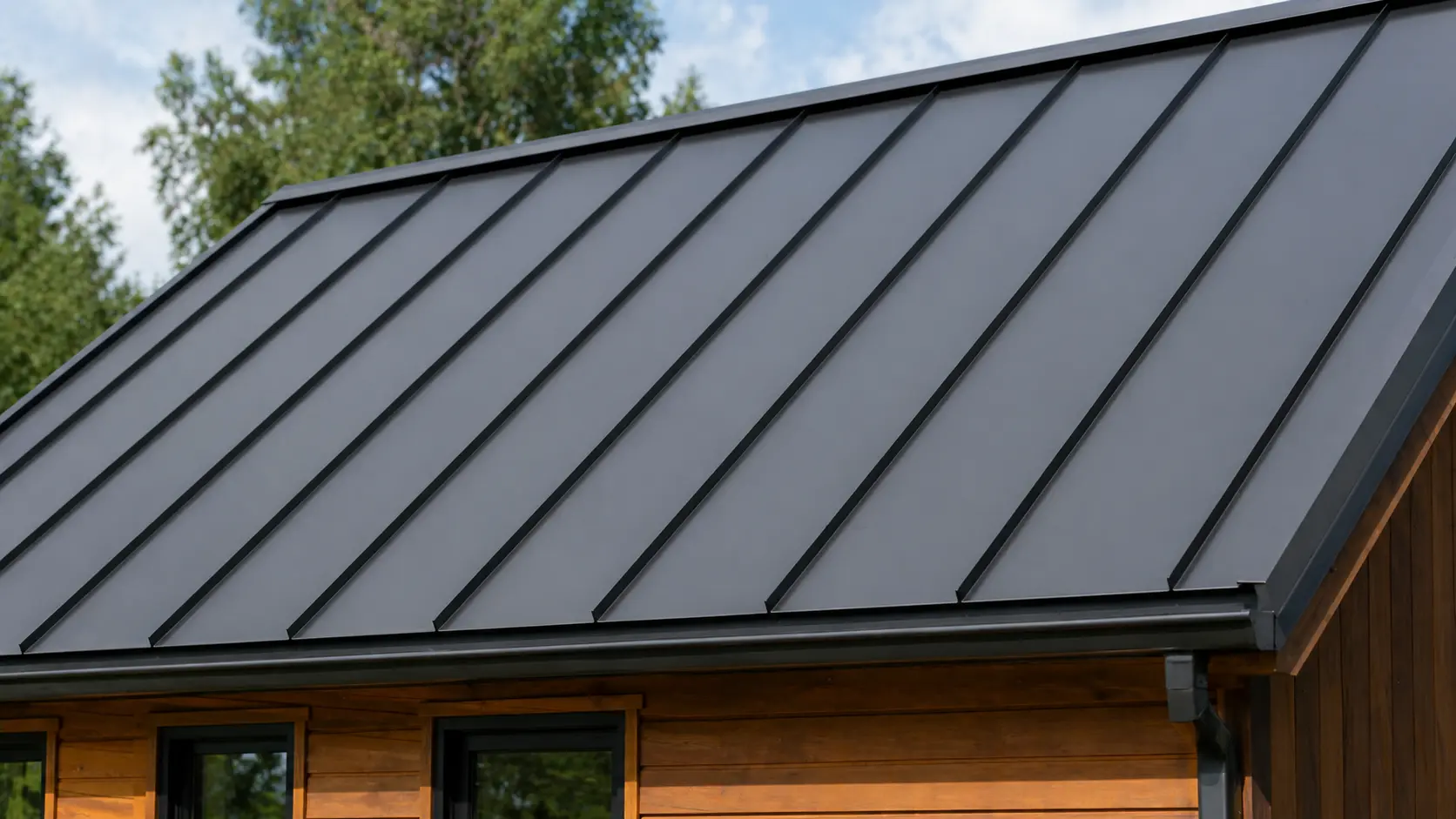
This is especially helpful for preventing the “rain effect” caused by interior moisture hitting a freezing metal roof. For those looking for long-term solutions beyond simple bubble wrap, it is helpful to research how to properly insulate a steel building for year-round use. Additionally, the type of exterior you choose matters greatly. You can learn more about metal pole barn siding options that impact insulation performance to see how different profiles work with your insulation layers.
Limitations of Bubble Wrap Insulation Compared to Traditional Insulation Materials
While bubble wrap is a great “quick fix,” it does have its downsides. It has a relatively low R-value, which is the measure of thermal resistance. Standard bubble wrap usually provides an R-value of around 1.0 to 1.1. In contrast, fiberglass batts or rigid foam boards offer much higher resistance to heat flow.
Bubble wrap is also susceptible to UV damage. Over time, the sun can make the plastic brittle, causing the bubbles to pop or the sheet to fall off. Furthermore, it does not provide much in the way of soundproofing. If you are looking for insulation for metal buildings that will last for decades, bubble wrap should be viewed as a supplemental tool rather than a primary solution.
Best Ways to Combine Bubble Wrap with Other Insulation Methods for Better Results
To truly optimize your building’s temperature, you should use bubble wrap in conjunction with other materials. For example, in a metal shop, you might use high-density foam in the walls but apply reflective bubble wrap to the underside of the roof to reflect radiant heat.
Another effective method is the “dead air” technique. By leaving a small gap of one inch between the bubble wrap and the wall, you double the effectiveness of the thermal barrier. This layered approach is common in high-end building insulation projects. Using bubble wrap as a vapor barrier over existing insulation can also help manage moisture and drafts in drafty Michigan garages.
FAQs
Does bubble wrap really work as insulation?
Yes. The trapped air in the bubbles slows down heat transfer, making it an effective, albeit temporary, thermal barrier for windows and small spaces.
Can you use bubble wrap to insulate windows in winter?
Absolutely. It is one of the most popular DIY methods for reducing heat loss through glass. It is easy to apply with just water and easy to remove in the spring.
Is bubble wrap insulation good for metal buildings?
It is excellent for preventing condensation and reflecting radiant heat, but for cold Michigan winters, it works best when combined with more substantial materials.
How long does bubble wrap insulation last?
On a window, it can last an entire season. In a darker area like a wall cavity, it can last several years, though it will eventually lose its air.
What is better than bubble wrap for insulation?
Rigid foam board, spray foam, and fiberglass batts provide much higher R-values and better long-term durability for permanent structures.
Conclusion
Using bubble wrap for insulation is a smart, tactical move for anyone looking to save on energy costs without a massive upfront investment. Whether you are sealing up your home windows for a Michigan winter or trying to take the chill out of your garage, this method provides immediate relief. While it may not replace professional-grade materials, its ability to stop drafts and retain heat is undeniable.
At The Metal Shop, we are committed to helping you make the most of your structures. From high-quality siding to expert advice on building maintenance, we have the tools you need to succeed. If you are ready to upgrade your building’s performance or need professional metal solutions, we are here to help. Ready to take your building to the next level? Contact us for expert guidance on your next project!