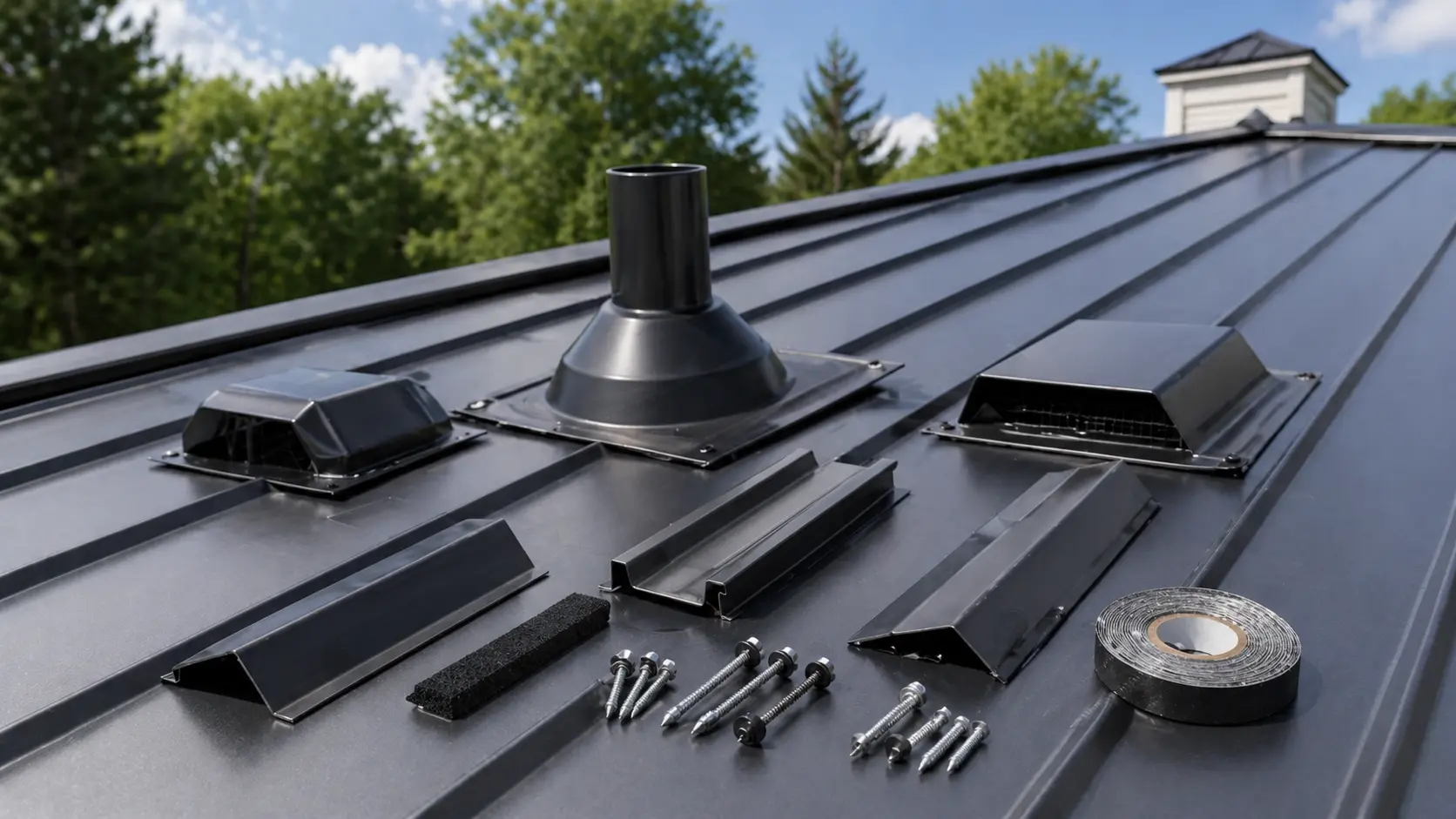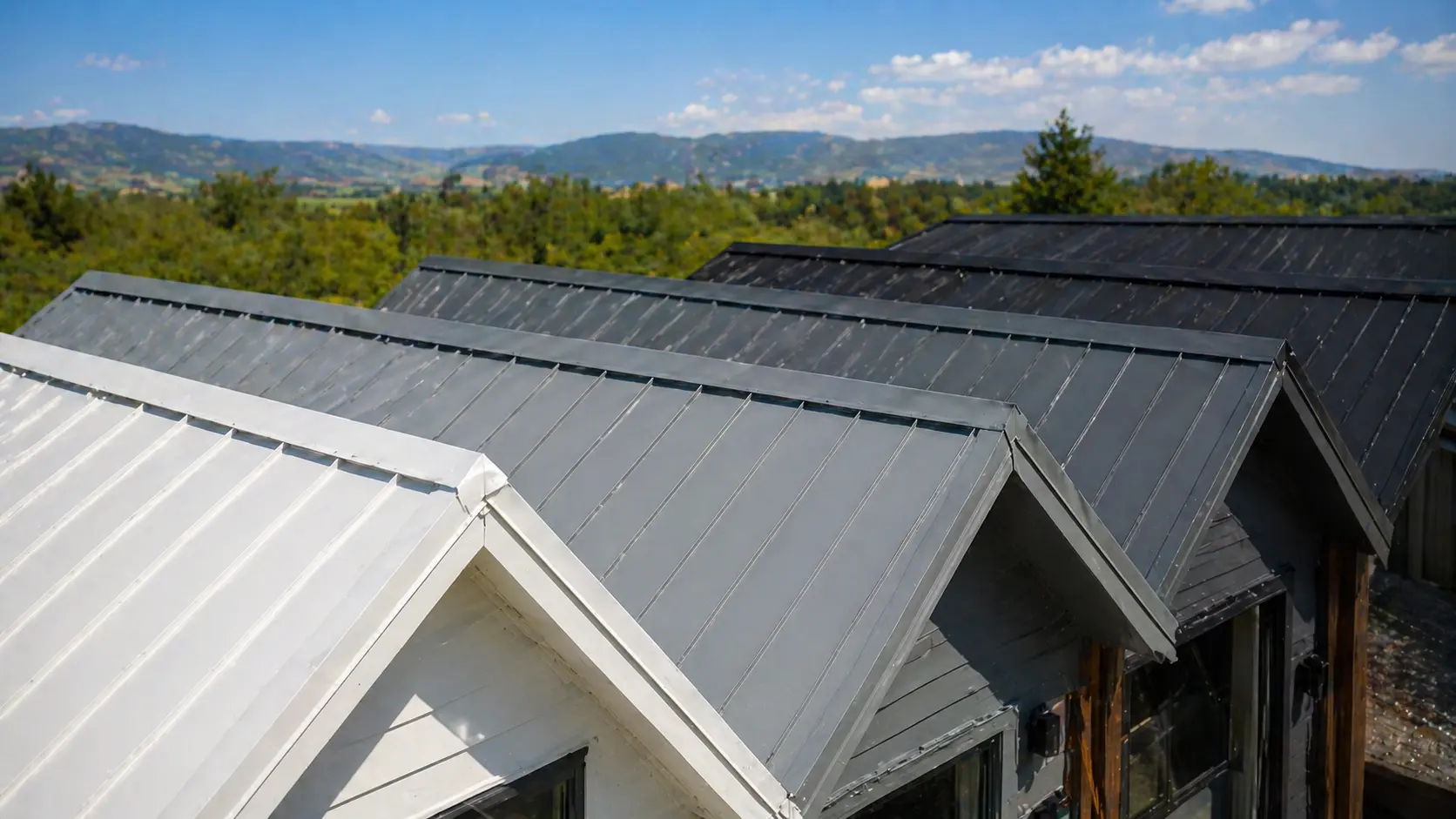
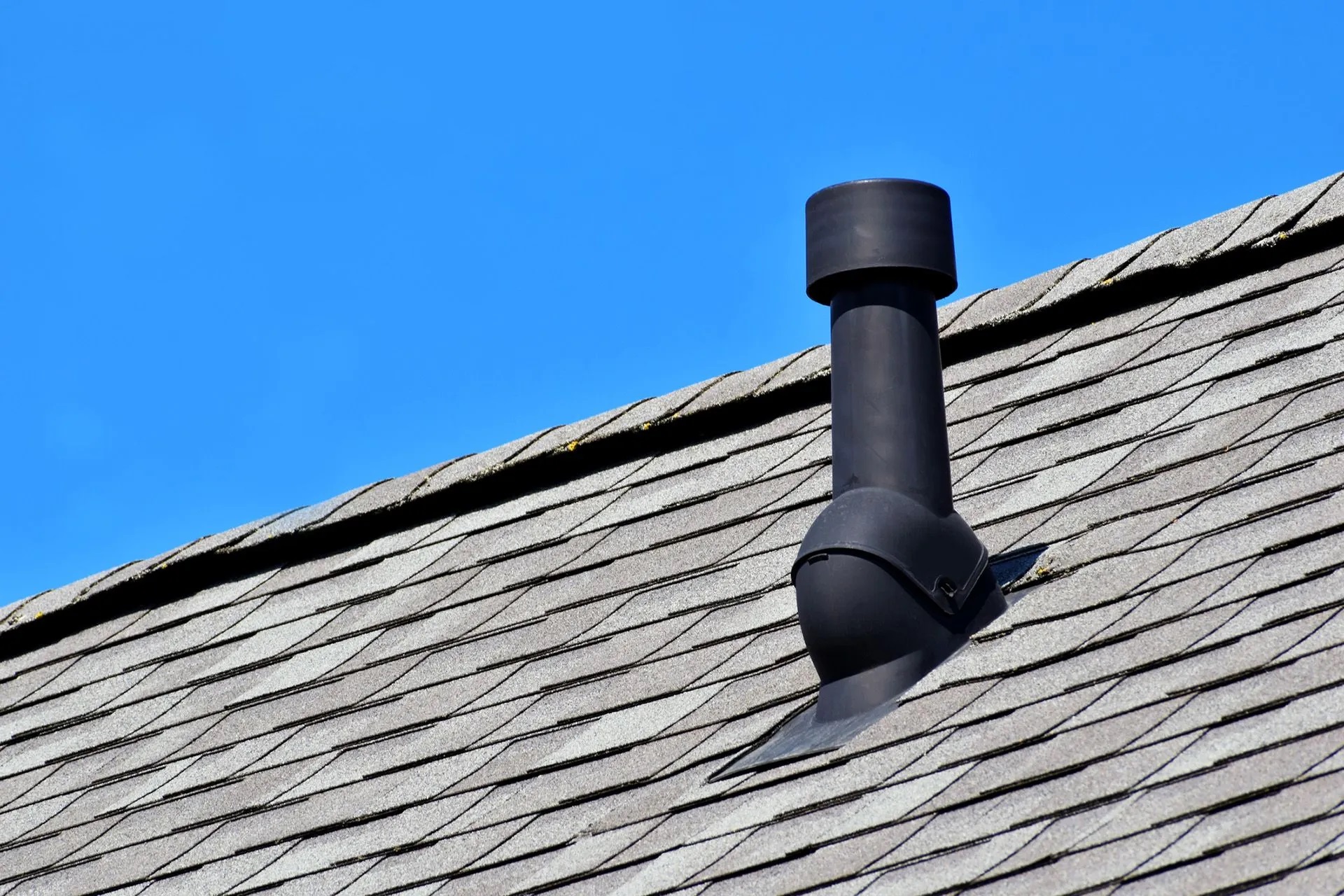

If you have wondered what roof boots are, these rubber or plastic cones are critical for roof penetration sealing. In Michigan, where heavy snow and rain test every structure, a high-quality pipe boot for metal roofing is the primary defense for roof leak prevention.
At The Metal Shop, we specialize in the fabrication of metal roofing components designed to keep these vulnerable points watertight. While we produce these essential metal roof flashing boot solutions, The Metal Shop focuses exclusively on fabrication and manufacturing; installation is handled by contractors. We provide fabrication only and do not offer installation services, ensuring builders have the best materials to handle extreme weather.
What Are Roof Boots in Roofing Systems and How Do They Work?
A roof boot is a specialized type of flashing (construction) used for roof penetration sealing. It acts as a waterproof collar, creating a tight, flexible seal between a round vent pipe and the metal roofing surface. Its primary function is roof leak prevention, ensuring that the connection point remains watertight even as the building shifts or materials expand.
The Mechanics of the Seal
Roof boots work by using a combination of a flexible skirt and a tight-fitting neck. The neck of the boot is sized to fit snugly around the pipe, while the base is fastened to the roofing panels. This design allows the roof and the pipe to expand and contract at different rates during Michigan temperature swings without breaking the waterproof seal.
Material Composition
Most modern roof boots are manufactured using EPDM rubber or silicone. These materials are chosen because they can withstand intense UV rays and extreme cold without cracking. For metal roofing specifically, the base of the boot often features a flexible aluminum ring that can be molded to match the profile of the metal ribs.
Types of Roof Boots for Metal Roofing and Asphalt Shingle Roofs
Not all roof boots are created equal. The type of boot needed depends largely on the roofing material and the specific application of the vent pipe.
- Standard EPDM Pipe Boots: These are the most common boots used in the industry. They are durable, affordable, and work well for most plumbing vents. They are typically black but are available in various colors to match different metal roofing panels.
- Silicone High-Temp Boots: For penetrations that get hot, such as chimney pipes or wood stove vents, silicone boots are required. Silicone can handle much higher temperatures than standard rubber without melting or degrading.
- Retrofit Roof BootsVent pipe: Sometimes a pipe has an obstruction at the top that prevents a standard boot from sliding over it. In these cases, a retrofit or “zipper” boot is used. These boots wrap around the pipe and are fastened with a stainless steel grip to ensure a tight seal.
Why Roof Boots Are Essential for Preventing Roof Leaks and Water Damage
The main reason people ask what roof boots are is usually because they are worried about leaks. Every hole cut into a roof is a potential entry point for water. Roof boots are the primary line of defense against interior water damage.
Preventing Structural Rot
When a boot fails, water trickles down the pipe and into the roof decking and insulation. Over time, this moisture leads to wood rot and mold growth. Because metal roofs last so long, it is vital to use high-quality metal roofing components and other supporting parts covered in metal roofing accessory essentials that can keep up with the lifespan of the metal itself.
Protecting Your Investment
A metal roof is a significant investment for any Michigan property owner. Using the wrong flashing or a cheap plastic boot can compromise the entire system. Properly manufactured roof boot flashing ensures that the area around vent pipes remains just as dry as the rest of the roof.
How Roof Boots Are Installed on Metal Roofing Panels and Vent Pipes
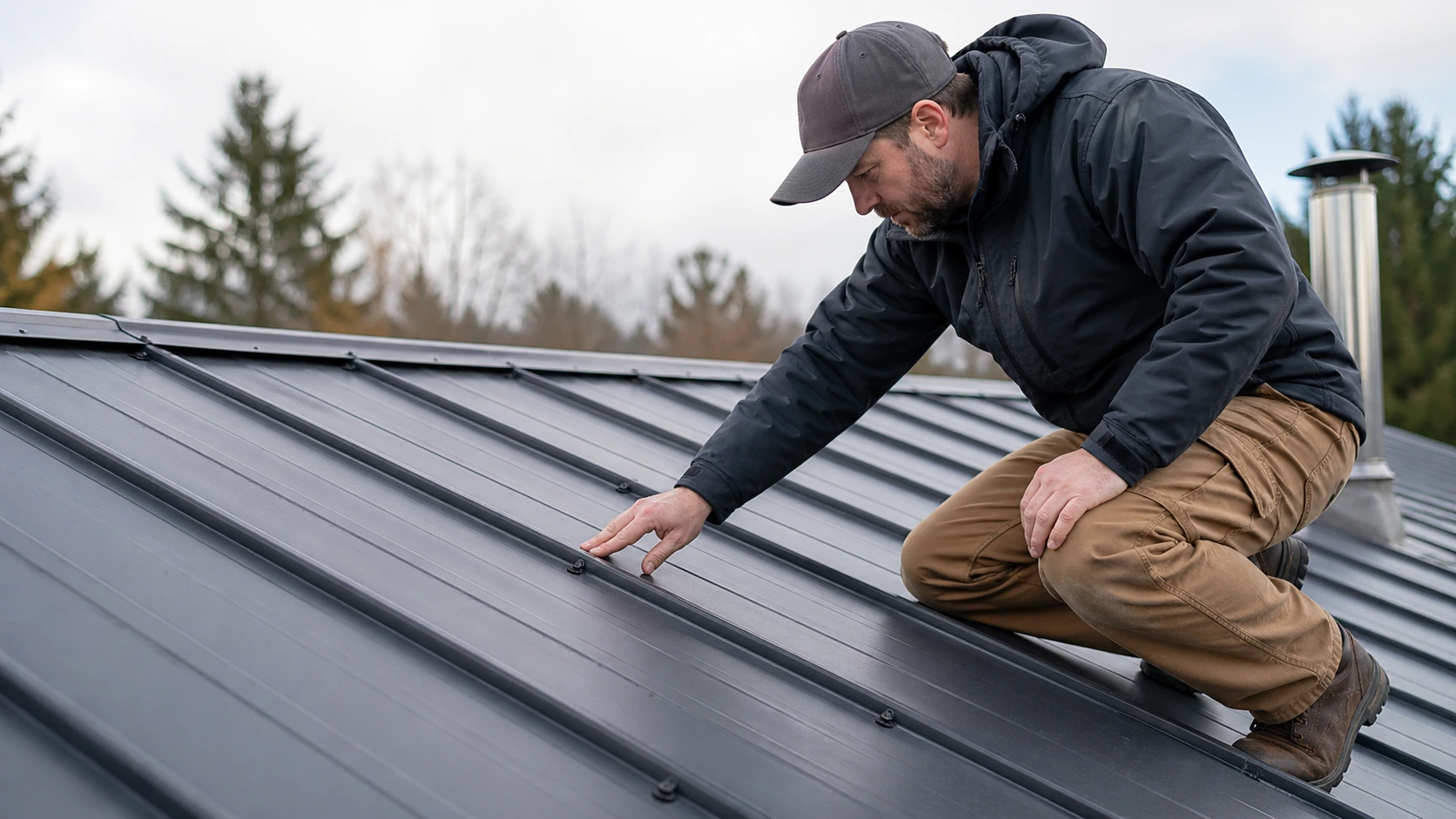
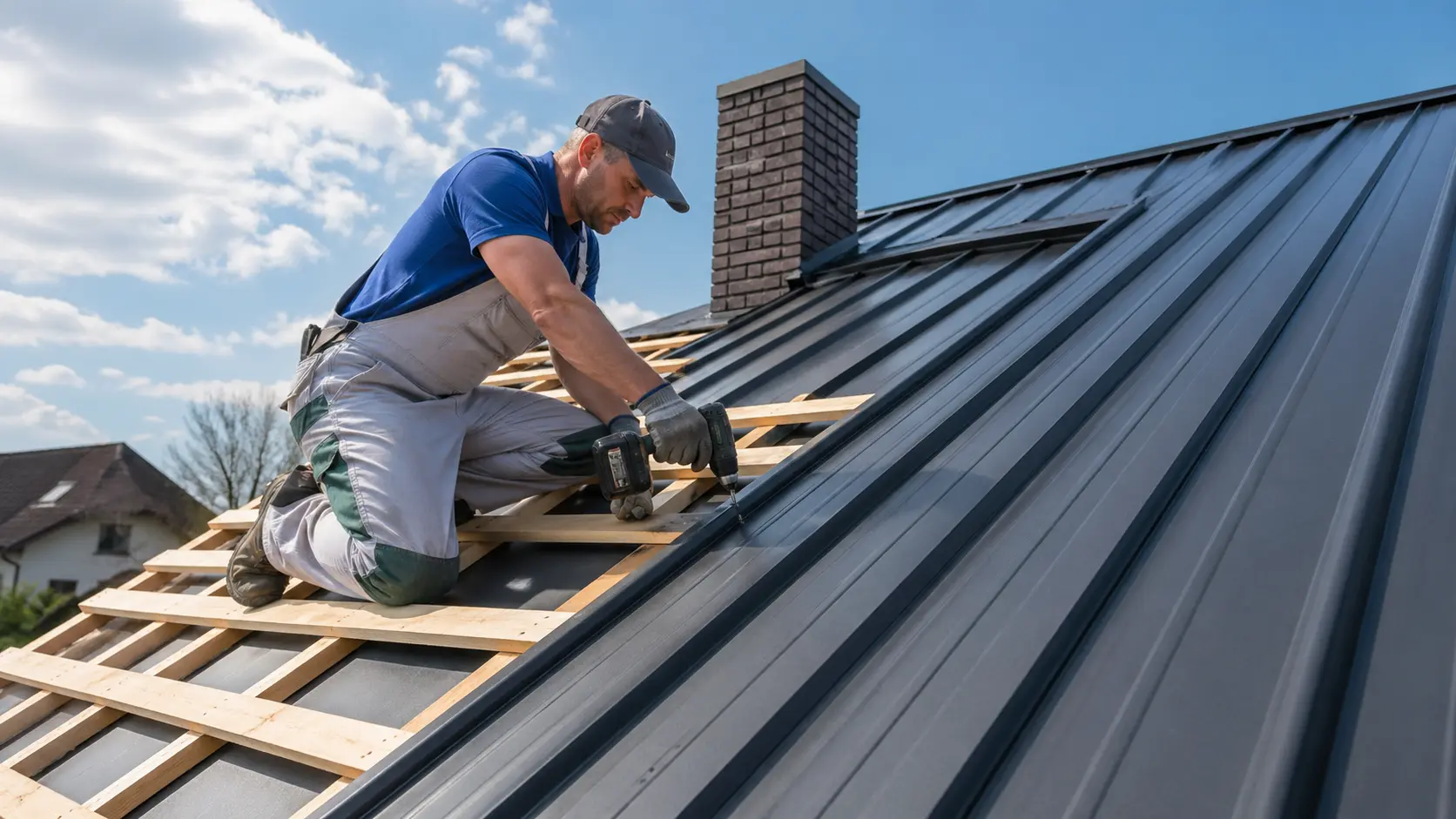
While The Metal Shop focuses exclusively on fabrication and manufacturing, we provide the materials that contractors use for professional results. The installation process for a metal roof pipe boot is different from that of shingles.
Preparing the Surface
The contractor first ensures the metal panel is clean and free of debris. The pipe boot is then trimmed to fit the specific diameter of the vent pipe to ensure a “tension fit” that grips the pipe tightly.
Sealing the Base
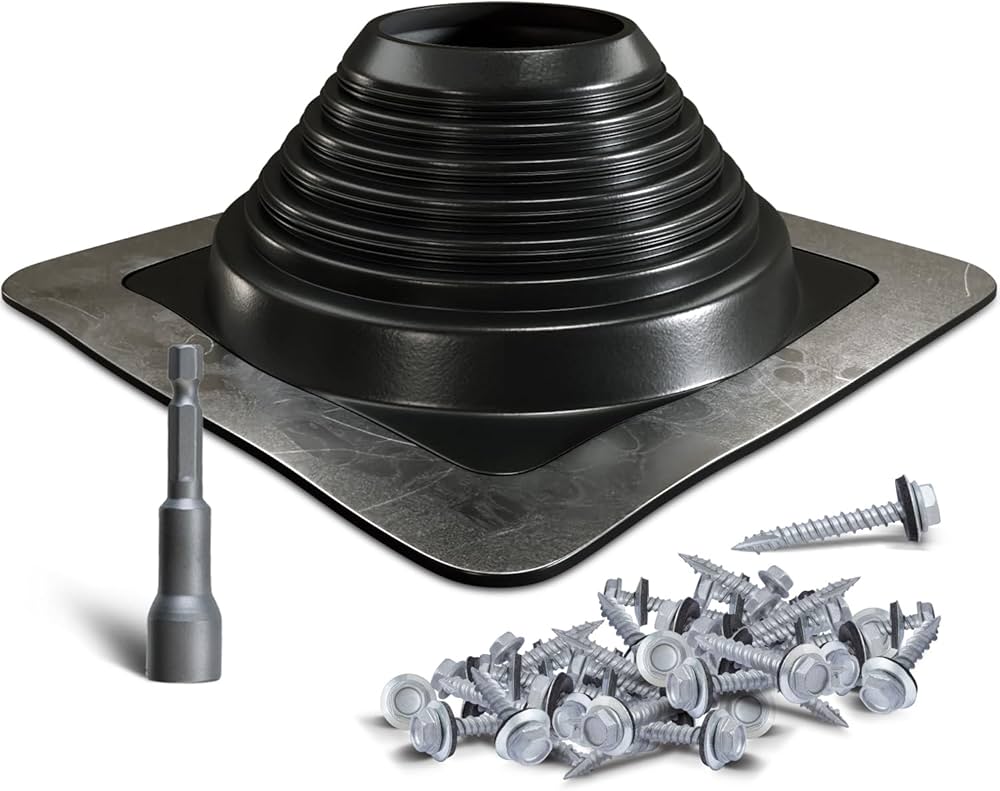
A high-quality sealant is applied to the underside of the flexible boot base. The boot is slid down the pipe and pressed firmly onto the metal ribs. Because metal panels have ridges, the flexible aluminum ring in the base of the boot is molded by hand to follow the contour of the metal.
Fastening
Finally, the contractor uses specialized roofing screws with rubber washers to secure the base to the metal roofing. This creates a mechanical bond that prevents the boot from shifting during heavy winds or snow sliding. For more information on how parts fit together, you can read about how to overlap metal roofing panels to prevent water leaks.
Common Problems with Roof Boots and When They Need Replacement
Even the best materials eventually wear out. In the harsh Michigan climate, roof boots are often the first part of a roofing system to require maintenance.
- UV Degradation and Cracking: Years of exposure to the sun can cause rubber boots to become brittle. If you see cracks or “alligatoring” on the surface of the rubber, the boot is reaching the end of its life.
- Improper Fastening: If a boot is not fastened correctly, the seal at the base can pull away from the metal panel. This often happens if the installer did not use enough sealant or if the wrong screws were used.
- Animal Damage: Believe it or not, squirrels and birds sometimes chew on the rubber of roof boots. This creates small holes that allow water to bypass the flashing entirely. Regular inspections are the best way to catch these issues early.
How to Choose the Right Roof Boot for Metal Roofing and Building Projects
Choosing the right components is the difference between a roof that lasts 40 years and one that leaks in five. When selecting boots for your project, consider the pipe diameter and the roof pitch.
Match the Material to the Environment
In Michigan, we recommend heavy-duty EPDM or silicone. These materials handle the freeze-thaw cycle much better than cheap plastic alternatives.
Consider the roof profile.
The height of the ribs on your metal panels will dictate how flexible the base of your boot needs to be. For heavy-duty commercial profiles, specialized boots with larger footprints are often necessary. You can learn more about different types of metal roofing systems and panel designs to see how different components interact.
Quality Over Cost
Saving a few dollars on a pipe boot for metal roofing is never worth the risk of a leak. Always choose professional-grade components fabricated for longevity. It is also important to understand the role of closure strips and sealing components used in metal roofing systems to ensure a completely sealed building envelope.
FAQ Section
What is a roof boot used for?
A roof boot is used to create a waterproof seal around pipes, vents, or poles that penetrate the roof surface, preventing water from leaking into the building.
Do metal roofs require roof boots?
Yes. Every roof with a penetration requires some form of flashing. Metal roofs specifically require flexible boots that can be molded to the profile of the metal panels.
How long do roof boots last?
Most high-quality EPDM roof boots last between 10 and 15 years. While the metal panels may last much longer, the rubber components usually require replacement at least once during the life of the roof.
What causes roof boots to fail?
The most common causes of failure are UV exposure, extreme temperature fluctuations, improper installation, and physical damage from pests or debris.
Can you replace a roof boot without replacing the roof?
Yes. A contractor can remove the old boot and install a new one without disturbing the surrounding metal roofing panels.
Conclusion
Understanding what roof boots are is vital for any Michigan building project. These components are the unsung heroes of roof leak prevention and waterproofing. The Metal Shop focuses exclusively on fabrication and manufacturing; installation is handled by contractors. We provide fabrication only and do not offer installation services, producing the high-quality materials that builders rely on for durable systems.
If you are a professional looking for premium, precision-made supplies, we are here to help. Contact us today to discuss your project needs. Choosing the right manufactured parts makes all the difference in total roof protection.