
If you’ve started looking into a roof replacement, you’ve likely heard a roofing contractor throw around the word “square.” It sounds like basic geometry, but in the world of home improvement, it’s the secret code for how much material you actually need.
Understanding a roofing square is the ultimate cheat code for homeowners. It’s the difference between looking at a quote and feeling lost, and actually knowing exactly what you’re paying for. Let’s break down the math so you can talk shop like a pro.
What a Roofing Square Means and Why It Matters
In the roofing industry, a “square” is a unit of measurement equal to 100 square feet. Picture a 10-foot by 10-foot area on your roof. That’s one square.
While most of the world measures floors or walls in individual square feet, roofing professionals use squares because roofs are massive. Dealing with thousands of individual feet gets messy. Using squares keeps the numbers clean and manageable. Whether you are looking at metal panels or underlayment, the square is the universal language for sizing up a project.
How Roofing Squares Simplify Roof Estimates
When a roofing contractor walks your property, they aren’t just looking for leaks. They are calculating the total surface area to figure out the roofing cost per square.
Using squares simplifies the entire estimation process. Instead of saying your roof is 3,200 square feet, a pro will say it’s “32 squares.” This number dictates how many roofing materials need to be ordered and how much labor is required. It’s the foundation of your entire quote. If you know your square count, you can quickly compare bids without getting bogged down in tiny details.
Roofing Square vs. Square Foot: Key Differences
The math is simple, but the application is where people get tripped up. Here is the breakdown:
- 1 Square Foot: A 12-inch by 12-inch area.
- 1 Roofing Square: 100 square feet.
If you have a 2,500-square-foot roof, you have 25 squares. Roofing materials are packaged and sold based on this 100-square-foot rule. It prevents the headache of counting thousands of individual pieces when a handful of “squares” does the trick.
How to Convert Roof Area Into Roofing Squares
Converting your roof area into squares is a breeze. You just take the total square footage and divide by 100.
The Formula: Total Square Footage ÷ 100 = Roofing Squares
For example, if your home’s footprint and roof pitch lead to a total surface area of 2,800 square feet, you’re looking at 28 squares. The mental math is usually fast enough for a rough estimate, but online calculators can help too.
Calculating Roofing Squares for Complex Roofs
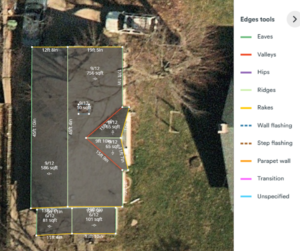
Not every roof is a simple flat rectangle. If you have gables, dormers, or valleys, the calculation gets a bit more intense. Roofing professionals have to measure each plane of the roof separately.
To get an accurate measurement, multiply the length by the width of each section, add them all together, and then divide by 100. For complex geometries, you also have to account for the pitch or slope, which adds more surface area than a flat map would suggest. This is why a 2,000-square-foot house usually has a roof much larger than 20 squares.
How Much Metal Panel Do You Need Per Square?
This is where metal roofing gets specific — and knowing these numbers helps you order accurately and avoid costly shortages.
At The Metal Shop, we manufacture two of the most popular metal roofing profiles, and here’s how they break down per square:
| Panel Type | Width | Linear Feet Per Square |
|---|---|---|
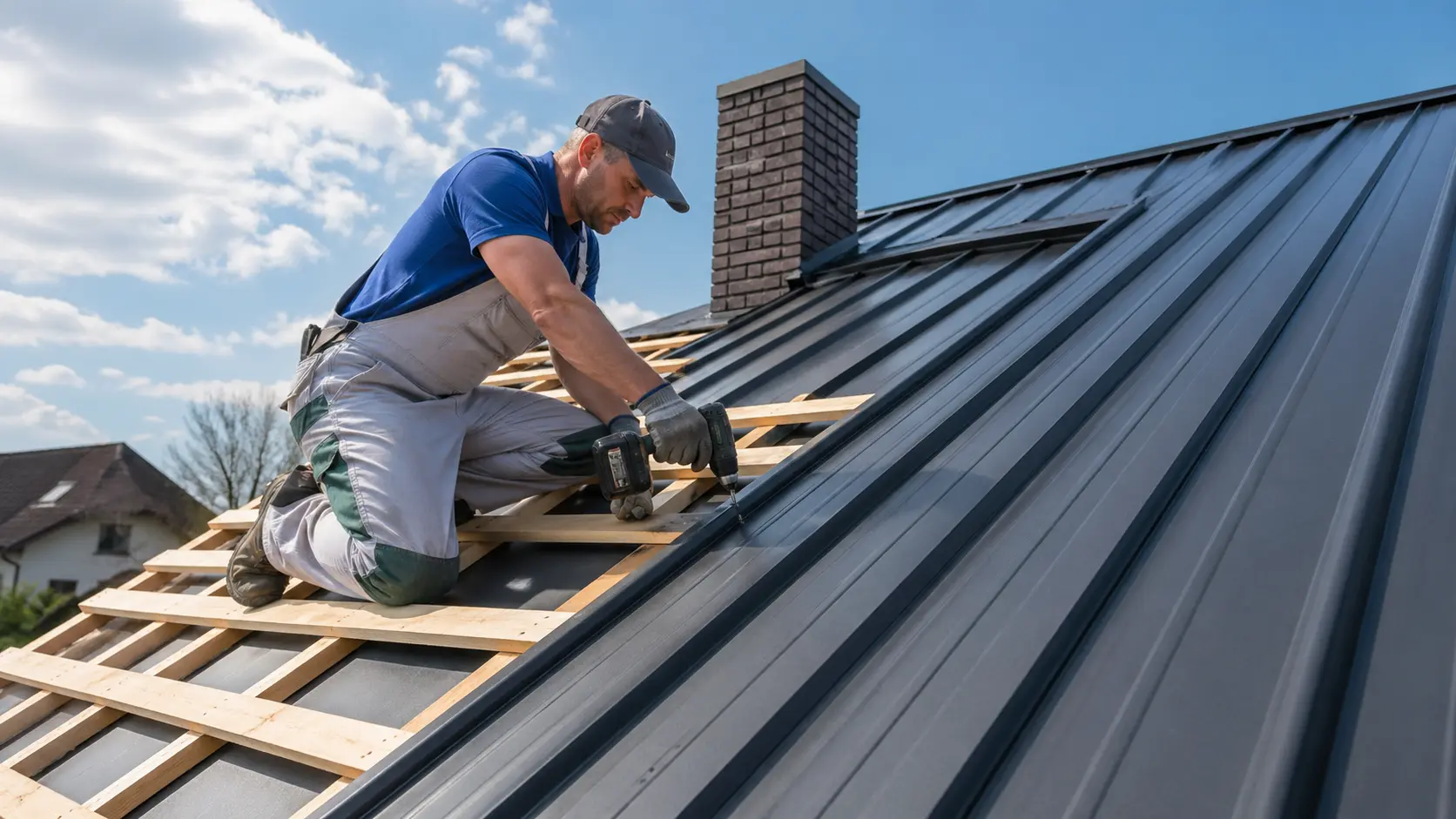
| 5-Rib Panel | 36” wide | ~34 linear feet |
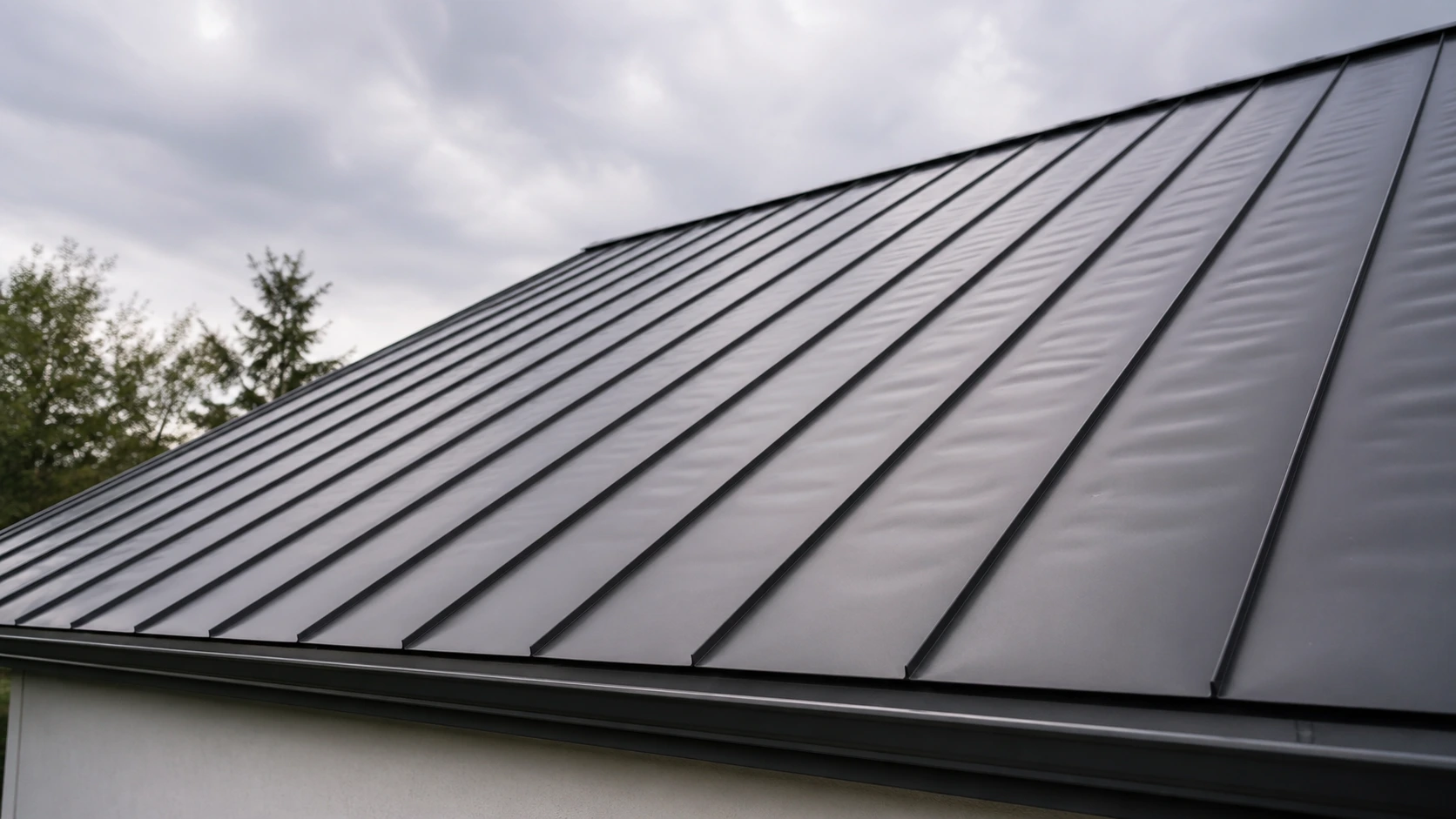
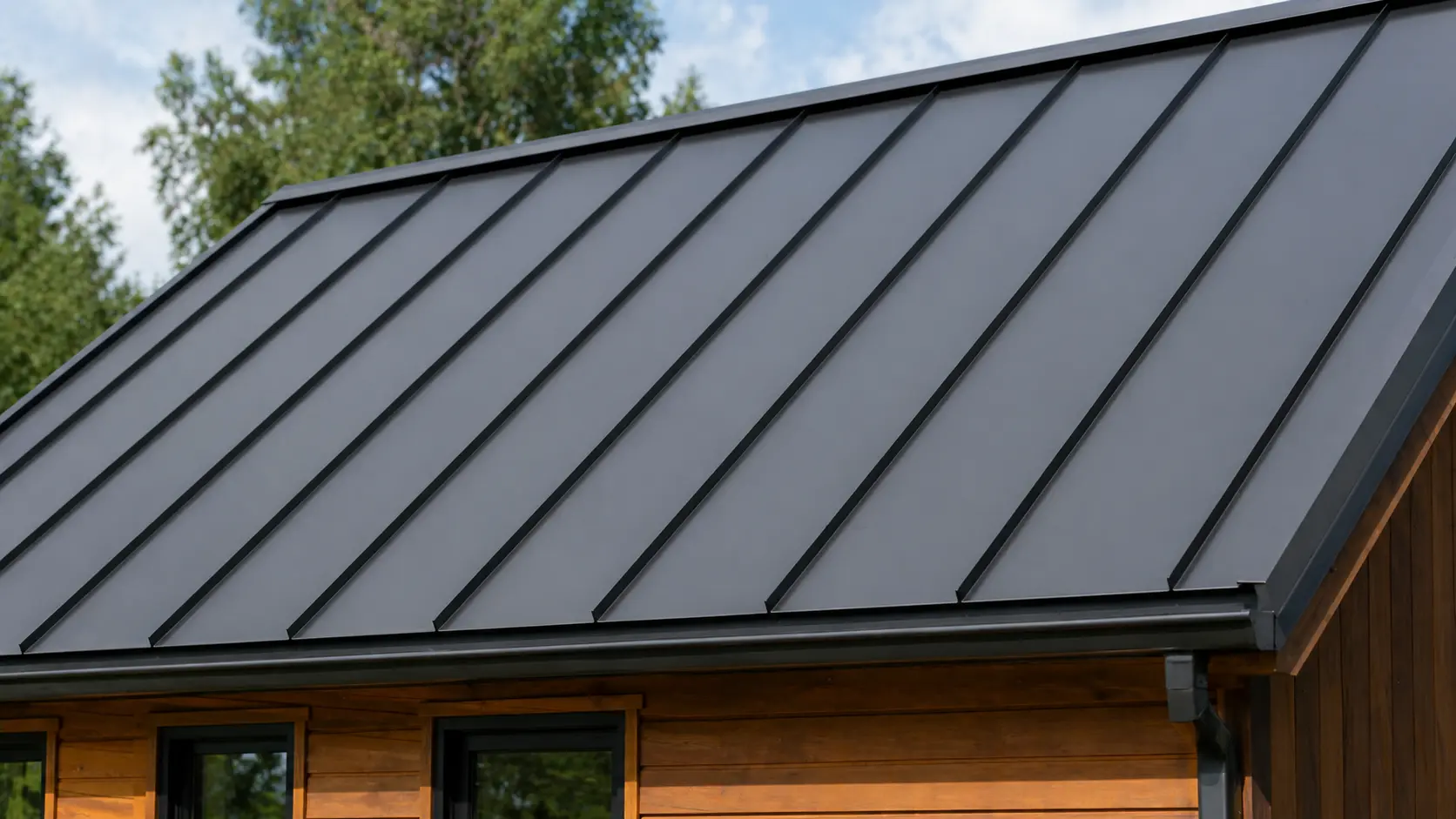
| Standing Seam (ClipLoc) | 16” wide | ~75 linear feet |
Why the difference? It comes down to panel coverage width. A 36-inch-wide 5-rib panel covers three times the width of a 16-inch standing seam panel per run, so you need far fewer linear feet to cover the same 100 square feet.
Practical example: If your roof is 20 squares: – You’d need approximately 680 linear feet of 5-rib panel – Or approximately 1,500 linear feet of standing seam panel.
These numbers are before waste factor — always add 10–15% for cuts, valleys, and hips.
Why Roofers Use Squares for Material Estimates
Efficiency is the name of the game. Most metal roofing products are priced and quoted by the square, making it easy to align material orders with job size.
At The Metal Shop, we manufacture our panels in-house and sell them factory-direct, which means no middleman markup and no guesswork on quantities. When you give us your square count, we can tell you exactly how many linear feet of panel you need and have your order ready in as little as 3–4 days.
| Unit | Measurement | Common Use |
|---|---|---|
| Square Foot | 12” x 12” | Small repairs, flashing |
| Roofing Square | 100 sq. ft. | Ordering metal panels, underlayment |
| Linear Foot | 1 ft. length of panel | Measuring and cutting metal roofing |
How Roofing Squares Affect Roof Pricing
When you get a quote, you’ll often see a “price per square.” This price usually covers the roofing materials and the labor required to put them in place.
If a contractor quotes you $500 per square and your roof is 20 squares, your base cost is $10,000. Metal roofing typically costs more per square upfront compared to other materials, but the 40-year lifespan and minimal maintenance make it a significantly better long-term investment. Keep in mind that per-square pricing can also shift based on the height of your home or how steep the pitch is.
Tools & Tips for Measuring Roofing Squares
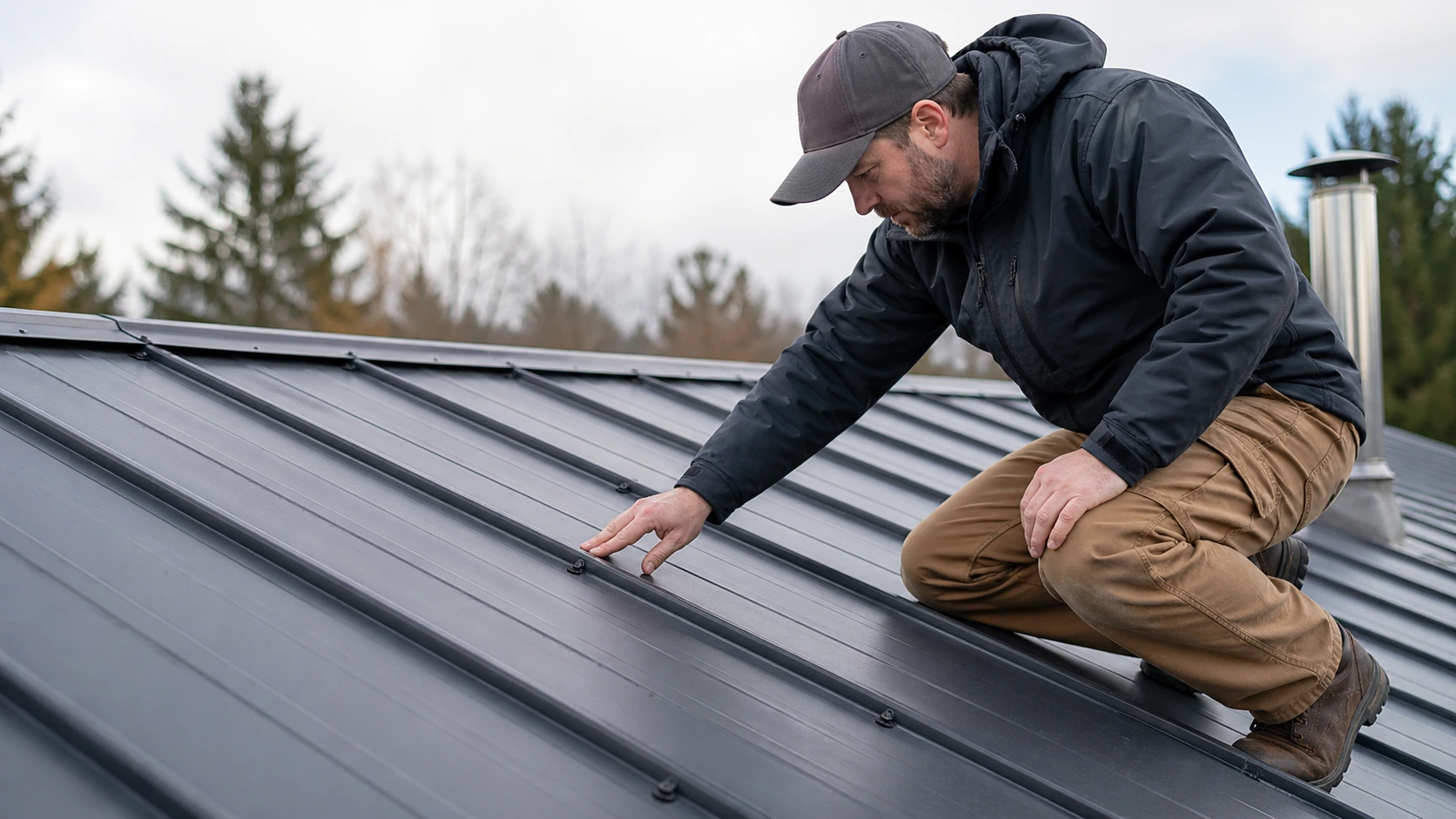
If you’re DIY-minded and want to check the numbers yourself, you don’t necessarily need to climb a ladder.
- Satellite Imagery: Many pros use software with high-res satellite photos to measure your roof from the sky.
- Tape Measure: The old-school way — measure the length and width of each roof facet.
- Pitch Gauge: Use an app on your phone to find the slope, as steeper roofs require more material.
Knowing the square count of your home before the contractor arrives puts you in the driver’s seat during negotiations.
Common Mistakes When Estimating Roofing Squares
The biggest mistake homeowners make is assuming the floor area of their home equals the roof area. It doesn’t.
Because roofs are sloped, they have more surface area than the flat ground beneath them. Also, don’t forget the overhangs (eaves). If you skip the foot or two that hangs over the walls, your measurement will be short, and you won’t have enough material to finish the job.
Roofing Squares and Waste: What You Should Know
In any construction job, there’s a waste factor. When you cut metal roofing to fit valleys, hips, and ridges, some material gets trimmed off.
Most roofing professionals add 10% to 15% to the total square count to account for this waste. So, if your roof is exactly 20 squares, they might order 22 or 23 squares. It’s better to have a few extra panels than to have a crew sitting around waiting for one more square of material to arrive.
At The Metal Shop, we can help you calculate your waste factor based on your roof’s complexity — just bring us your measurements, and we’ll make sure you order right the first time.
FAQs
-
What does “square” mean in roofing?
A square is a unit of area measurement equal to 100 square feet (a 10’ x 10’ area).
-
How do I calculate roofing squares?
Find the total square footage of your roof’s surface and divide that number by 100.
-
Why do roofers use squares instead of square feet?
It makes large numbers easier to handle and aligns with how materials like metal panels and underlayment are packaged and sold.
-
Does roof pitch affect square count?
Yes. The steeper the roof, the more surface area it has, which increases the number of squares needed compared to a flatter roof with the same footprint.
-
How many linear feet of metal panel per square?
For a 36-inch-wide 5-rib panel, approximately 34 linear feet per square. For a 16-inch-wide standing seam panel, approximately 75 linear feet per square.
-
Where can I order metal roofing panels by the square?
The Metal Shop manufactures metal roofing and siding factory-direct in Michigan. We serve the entire state with fast turnaround — most custom orders are ready in 3–4 days. Call us at (269) 215-2003 or visit themetalshopllc.com for a free estimate.