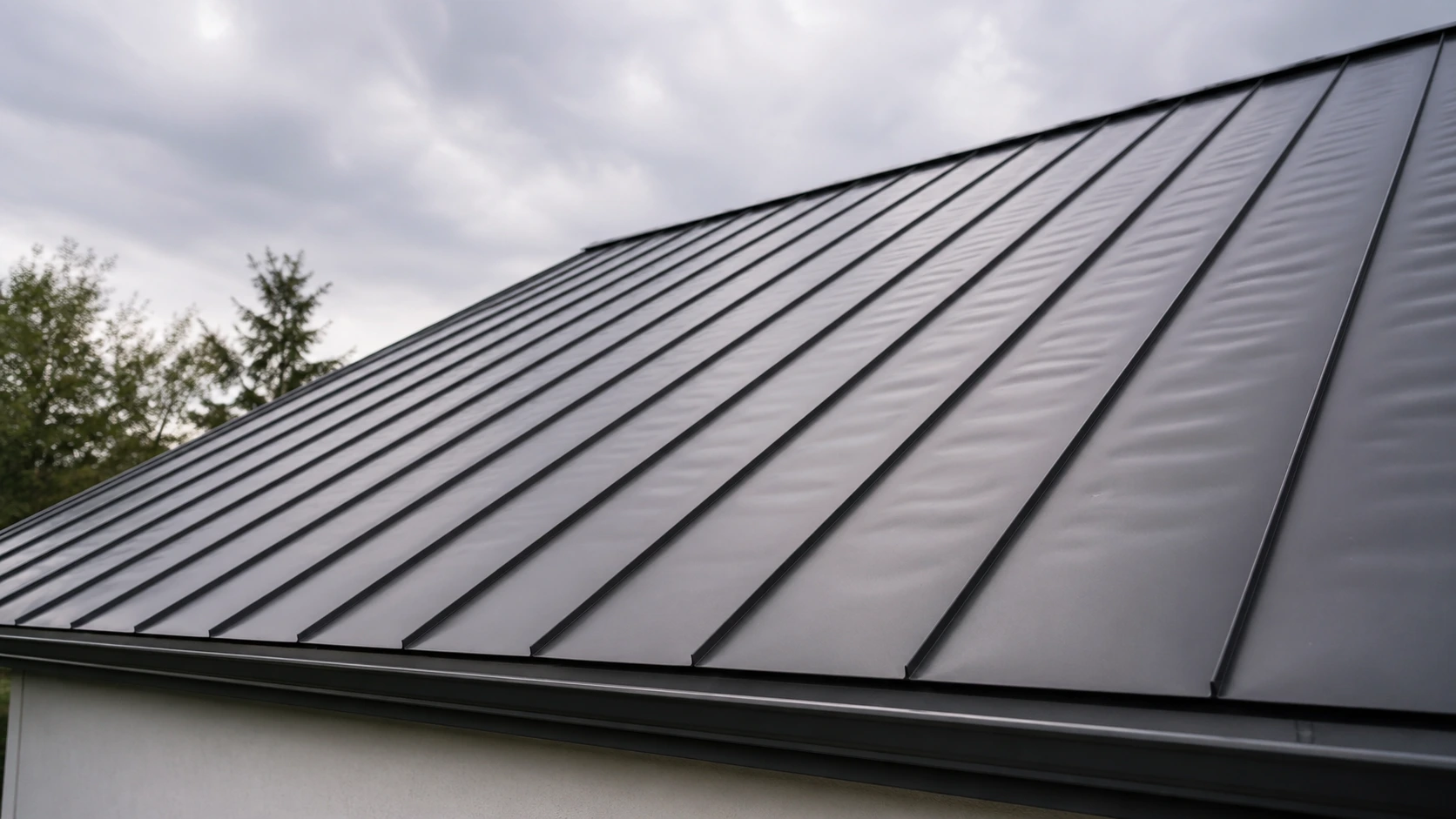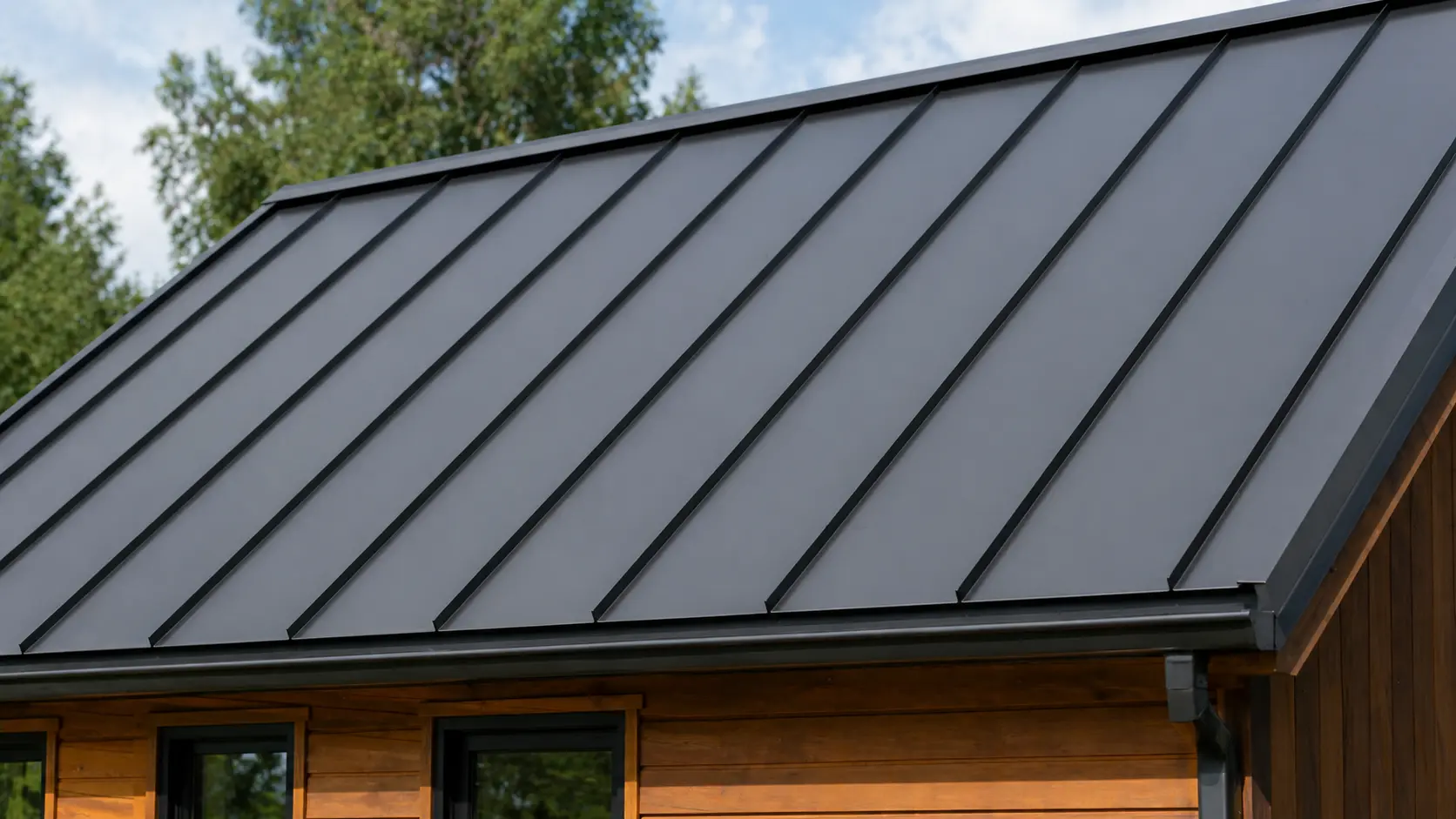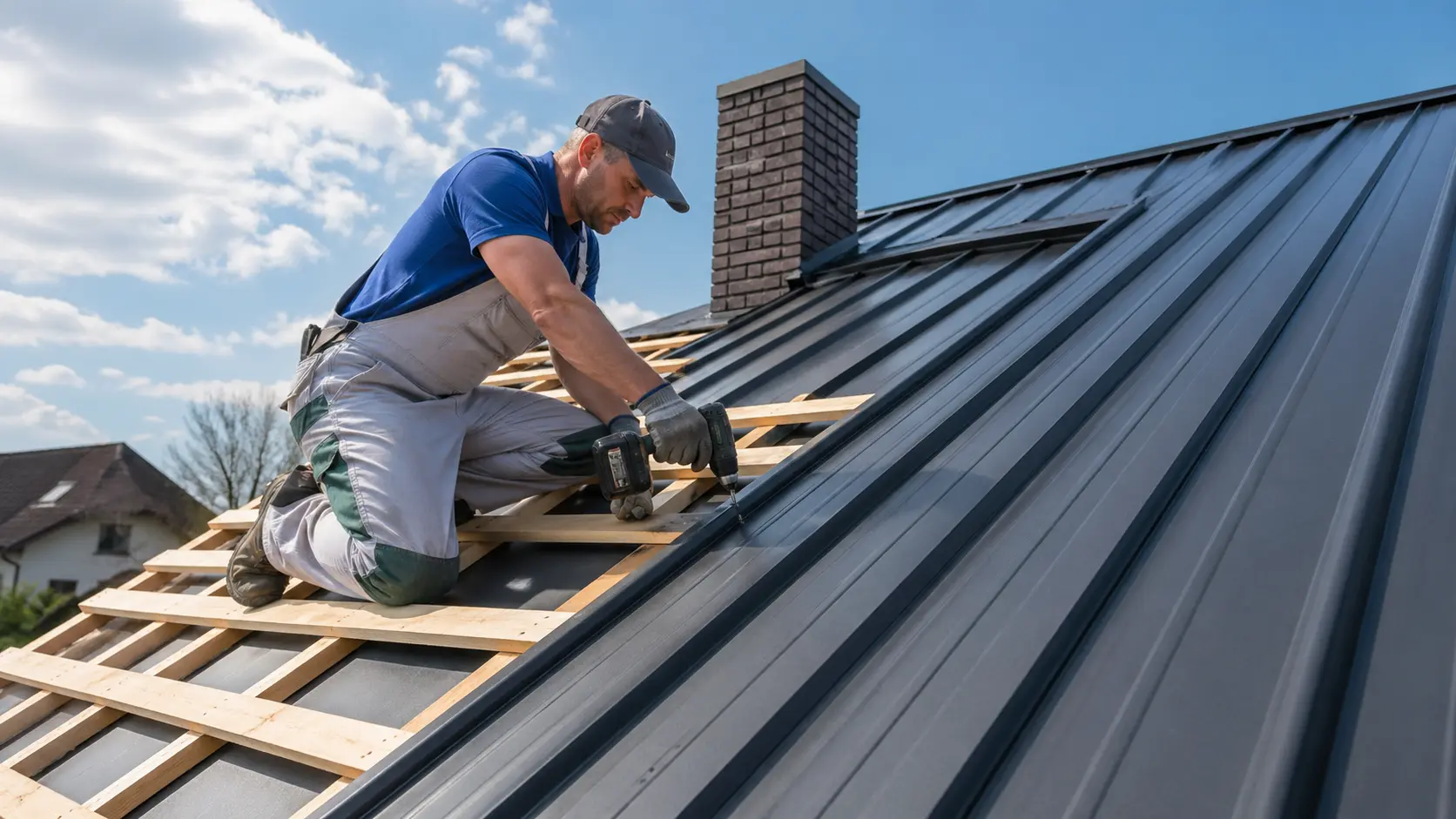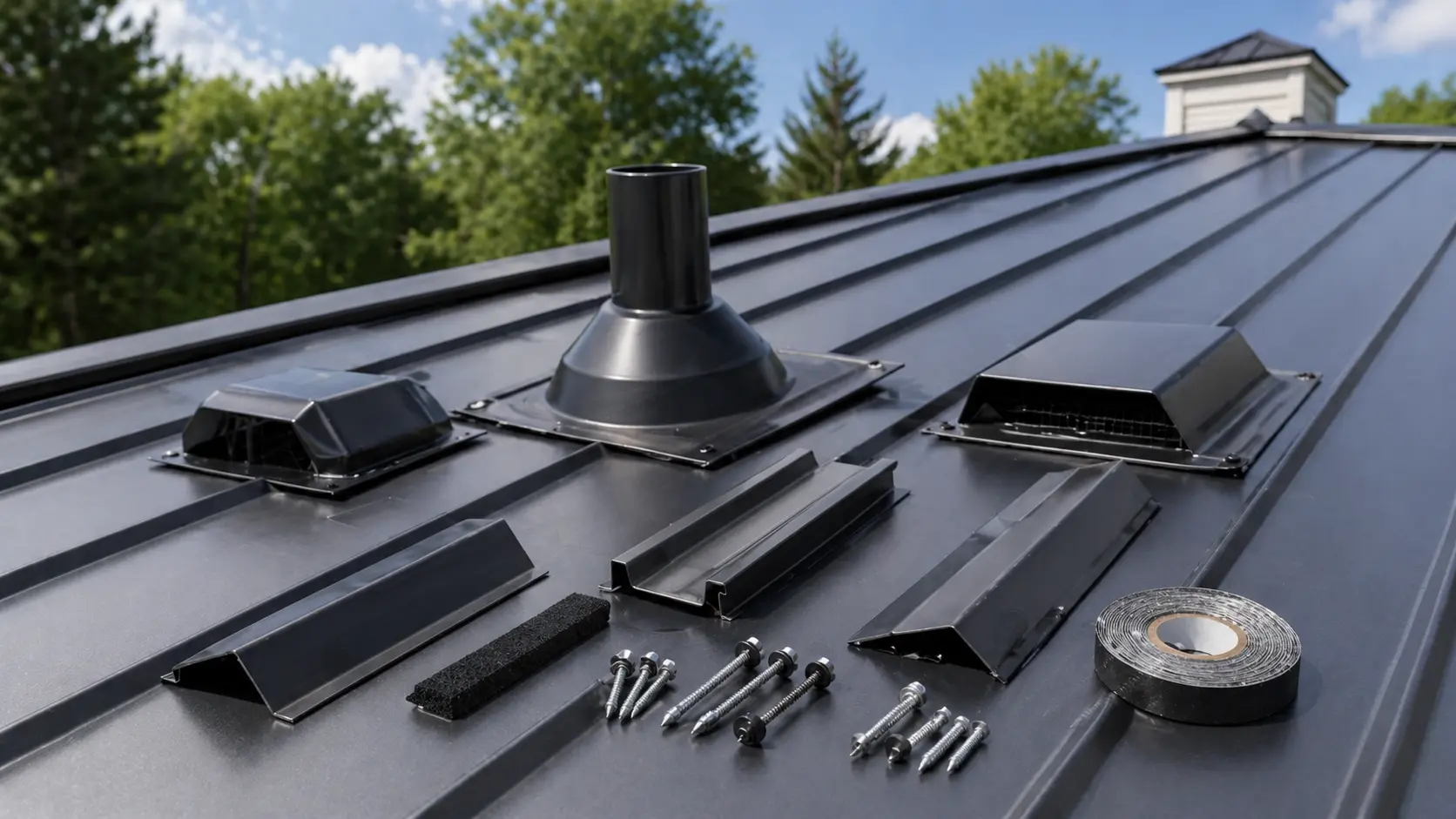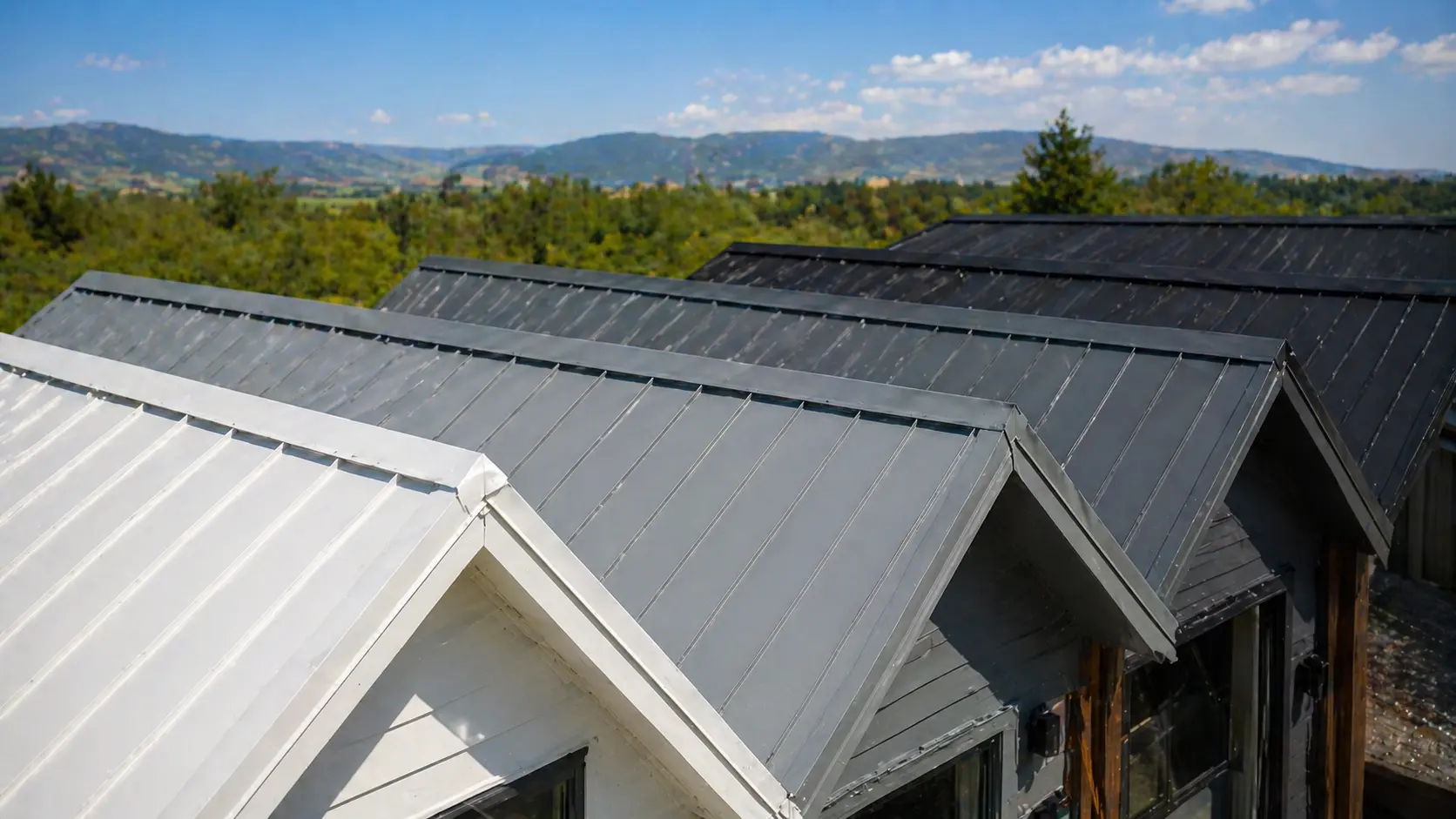

Metal roof screw spacing is one of the most important details to understand when planning a metal roofing project. Using too few screws can reduce holding strength, while using too many can increase material costs and stress the metal panels. Many homeowners, builders, and property owners struggle to find a clear answer because screw count depends on panel size, profile, roof conditions, and environmental factors.
Knowing how many screws per sheet of metal roofing are typically used helps you plan accurately, avoid waste, and support long-term roof performance. This guide explains screw count basics, industry standards, panel width impact, screw selection, spacing calculations, and adjustments for demanding roof conditions.
Screw Count Basics for Metal Roofing Panels
Metal roofing panels are secured using specialized metal roofing screws designed to hold sheet metal firmly in place. The number of screws used per panel is influenced by how the load is distributed across the roof surface.
Basic principles include:
- Screws must hold panels securely without over-compressing the metal
- Even spacing helps distribute wind and weight forces
- Proper alignment supports long-term stability
Metal roof screw spacing is not random. It follows structured patterns that match panel profiles and support spacing beneath the metal.
Typical Screws Per Square: Industry Standards Explained
A reliable industry rule of thumb is approximately 20 screws per square of metal roofing (one square = 100 square feet). This count is based on screwing panels approximately every 24 inches in rows running from the top to the bottom of the panel.
This spacing pattern ensures:
- Consistent holding strength along the full panel length
- Even load distribution across the roof surface
- Reliable performance against wind uplift and weather
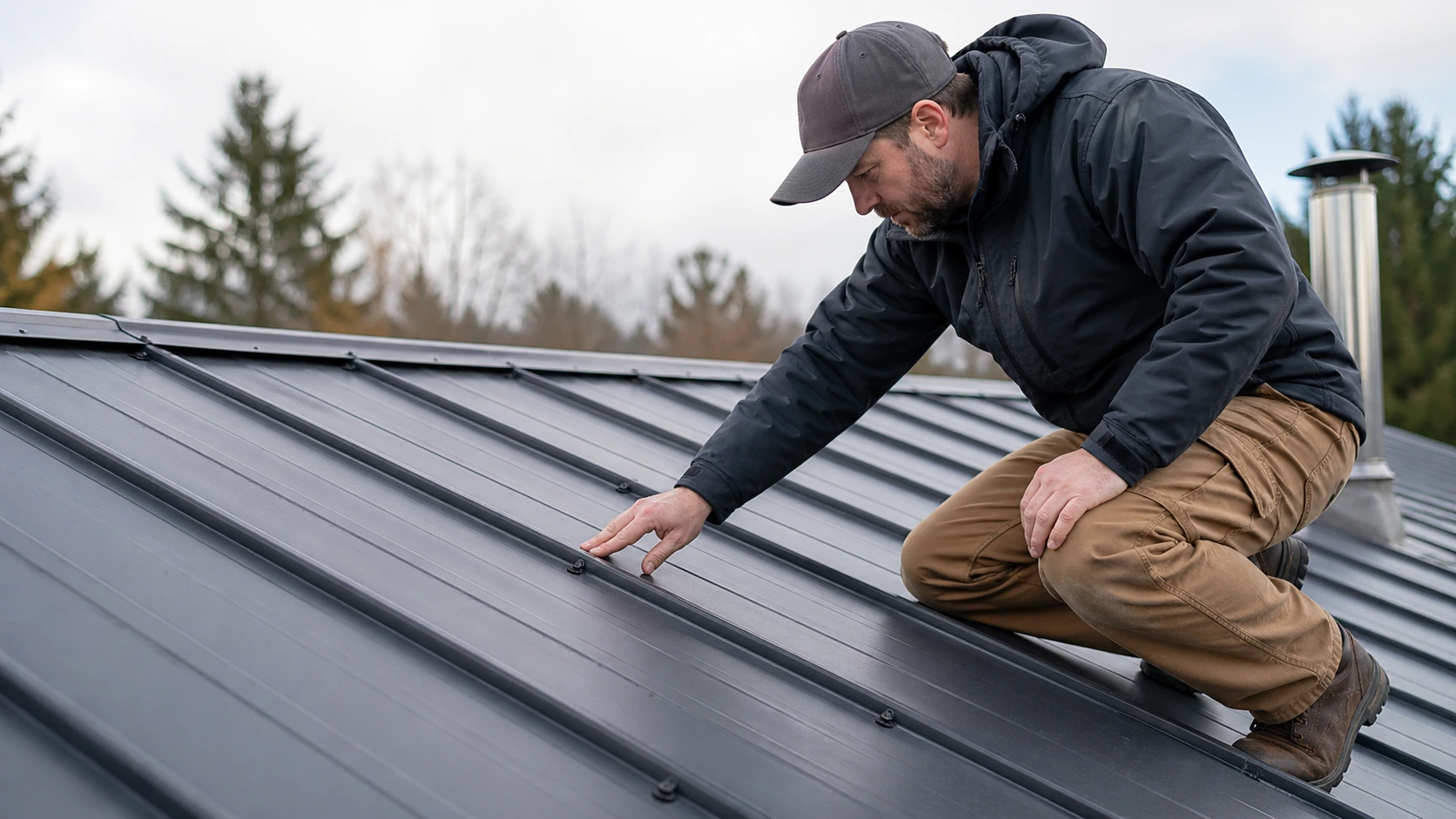
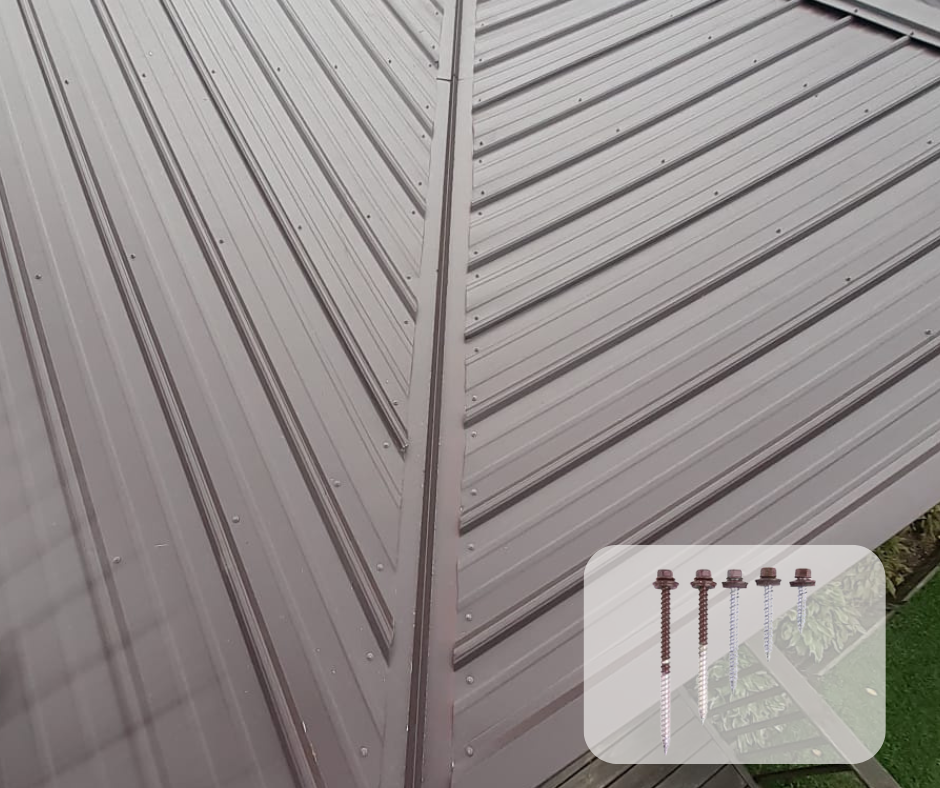
On five-rib metal roofing panels, the ribs are spaced 9 inches apart. This means screws are placed beside every rib, running up the panel every 24 inches. So across the width of a five-rib panel, you have a screw beside each of the five ribs, and those rows repeat every 24 inches from top to bottom.
This structured approach — 20 screws per square, every 24 inches vertically, beside every rib on five-rib panels — gives you a clear, repeatable pattern that supports long-term roof performance.
How Panel Width Affects Screw Quantity
Panel width plays a major role in determining screw count. Wider panels cover more surface area, which means more attachment points are required to keep the metal stable.
For example:
- Narrow panels may need fewer screws per row
- Wide panels require additional fasteners across the surface
- Rib spacing on five-rib panels directly affects screw placement zones
On five-rib metal roofing panels, screw placement follows the rib structure — one screw beside each rib, every 24 inches up the panel. Understanding the panel profile helps determine accurate screw quantity and spacing.
You can review common profiles, such as 5-rib metal roofing, to better understand how panel width and rib design affect screw placement.
Choosing the Right Screw Type for Metal Roofing
Not all screws are the same. Metal roofing screws are designed with specific features that support long-term performance. At The Metal Shop, we stock FastGrip Mini-Driller screws in sizes ranging from 1 inch to 2½ inches — covering the full range of metal roofing applications.
FastGrip Mini-Driller Screws
The FastGrip Mini-Driller is a high-performance metal-to-wood fastener built specifically for driving through metal panels. Key features include:
- Mini-Driller point — makes easy work of driving through metal panels, including two layers of metal
- Hi-Lo threads — provide superior pull-out strength in metal-to-wood applications
- Faster start time — gets the screw seated quickly without walking or slipping
- Reduces trapped steel shavings — cleaner installation with less debris under the panel
- Mechanical galvanized finish — corrosion-resistant for long-term outdoor performance
- ½” galvanized EPDM washer — creates a tight, weather-resistant seal at every fastener point
The EPDM sealing washer is especially important. Each screw acts as a potential entry point for moisture if not properly sealed. The EPDM washer compresses against the metal panel to form a watertight barrier, which is critical in Michigan’s climate with heavy rain, snow, and freeze-thaw cycles.
Screw Sizes: Matching Length to Application
The Metal Shop carries FastGrip Mini-Driller screws from 1 inch through 2½ inches. Choosing the right length depends on what you are fastening through:
- 1 inch — ideal for lighter gauge panels, fastening directly to solid decking
- 1½ inch — common for standard metal roofing panels over solid wood decking
- 2 inch — used when fastening through thicker substrates or adding insulation layers
- 2½ inch — suited for applications with additional material thickness between the panel and the structural support
Using the correct length ensures the screw reaches the structural wood beneath without bottoming out or over-penetrating.
Color Matching
FastGrip Mini-Driller screws are available in 40-plus in-stock colors, allowing you to match your panel color for a clean, finished look. Color-matched screws are especially important on exposed fastener profiles like five-rib metal roofing panels, where the screw heads are visible from the ground.
Pro Tip on Screw Installation
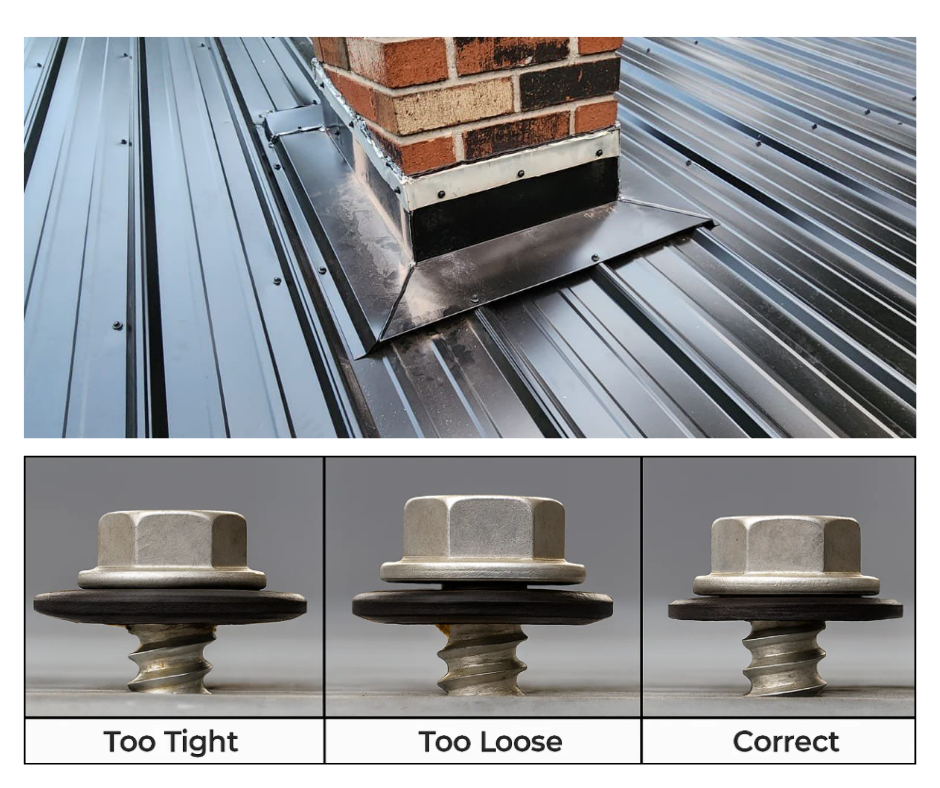
When driving screws into five-rib metal roofing panels, always drive beside the rib — not through the flat of the panel between ribs — and maintain consistent pressure so the EPDM washer compresses evenly without over-tightening. Over-driving a screw can distort the washer and compromise the seal, while under-driving leaves a gap that allows moisture in.