

A 40×60 pole barn is a practical choice for property owners who need a large, flexible structure for storage, work, or agricultural use. With 2,400 square feet of space, this size supports many layouts and interior configurations. However, building a pole barn of this scale requires thoughtful planning, material selection, and structural awareness before any construction begins.
Many people focus only on exterior dimensions, but the 40×60 pole barn interior layout plays an equally important role in how well the structure performs over time. This guide walks through key planning steps, material considerations, layout decisions, structural requirements, and long term maintenance insights so you can approach a 40×60 pole barn project with clarity and confidence.
40×60 Pole Barn
A 40×60 pole barn refers to a post frame building that measures 40 feet wide and 60 feet long. This size is commonly used for equipment storage, workshops, agricultural purposes, and large hobby spaces. The post frame design relies on vertical poles to support the structure, which reduces the need for continuous concrete walls.
Because of its size, a 40×60 pole barn offers flexibility in both exterior design and interior use. Planning the layout early helps ensure the space supports current needs while allowing room for future changes.
Choosing the Right Materials for Longevity
Material selection has a major impact on durability, performance, and long term value. High quality materials support structural consistency and reduce future upkeep needs.
Common material considerations include:
- Treated wood posts for structural support
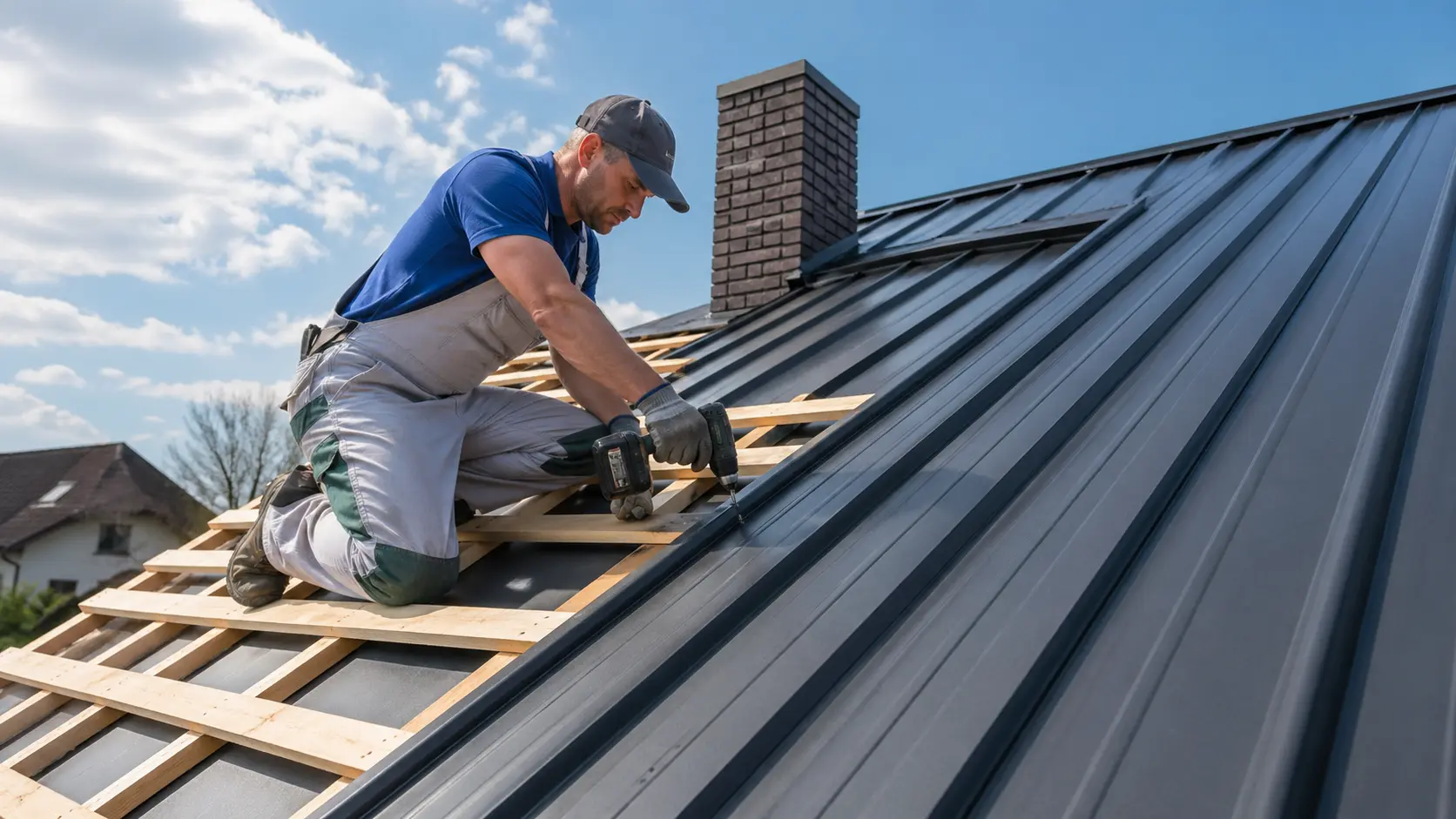
- Metal panels for walls and roofing
- Fasteners and connectors designed for post frame construction
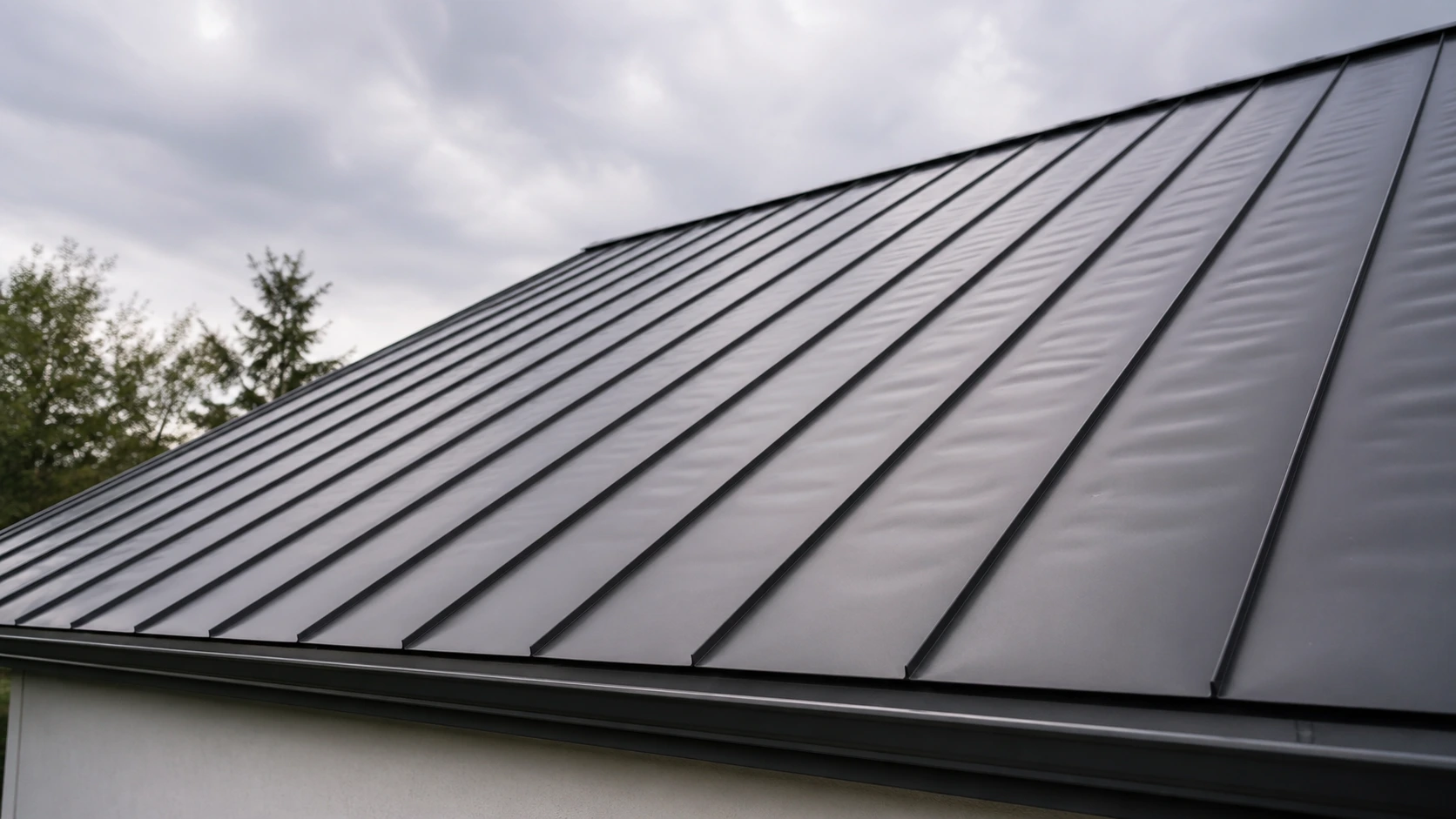
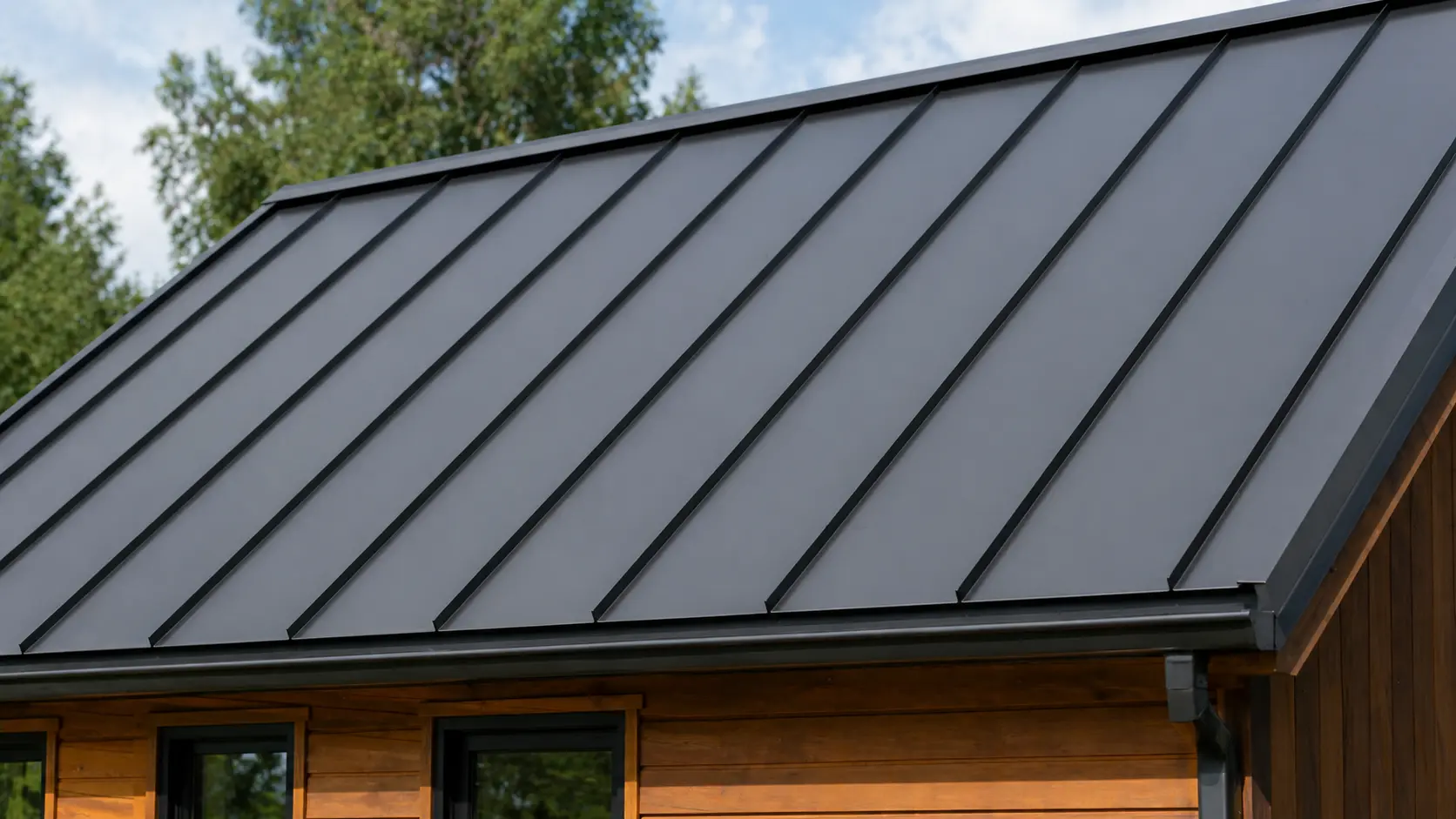
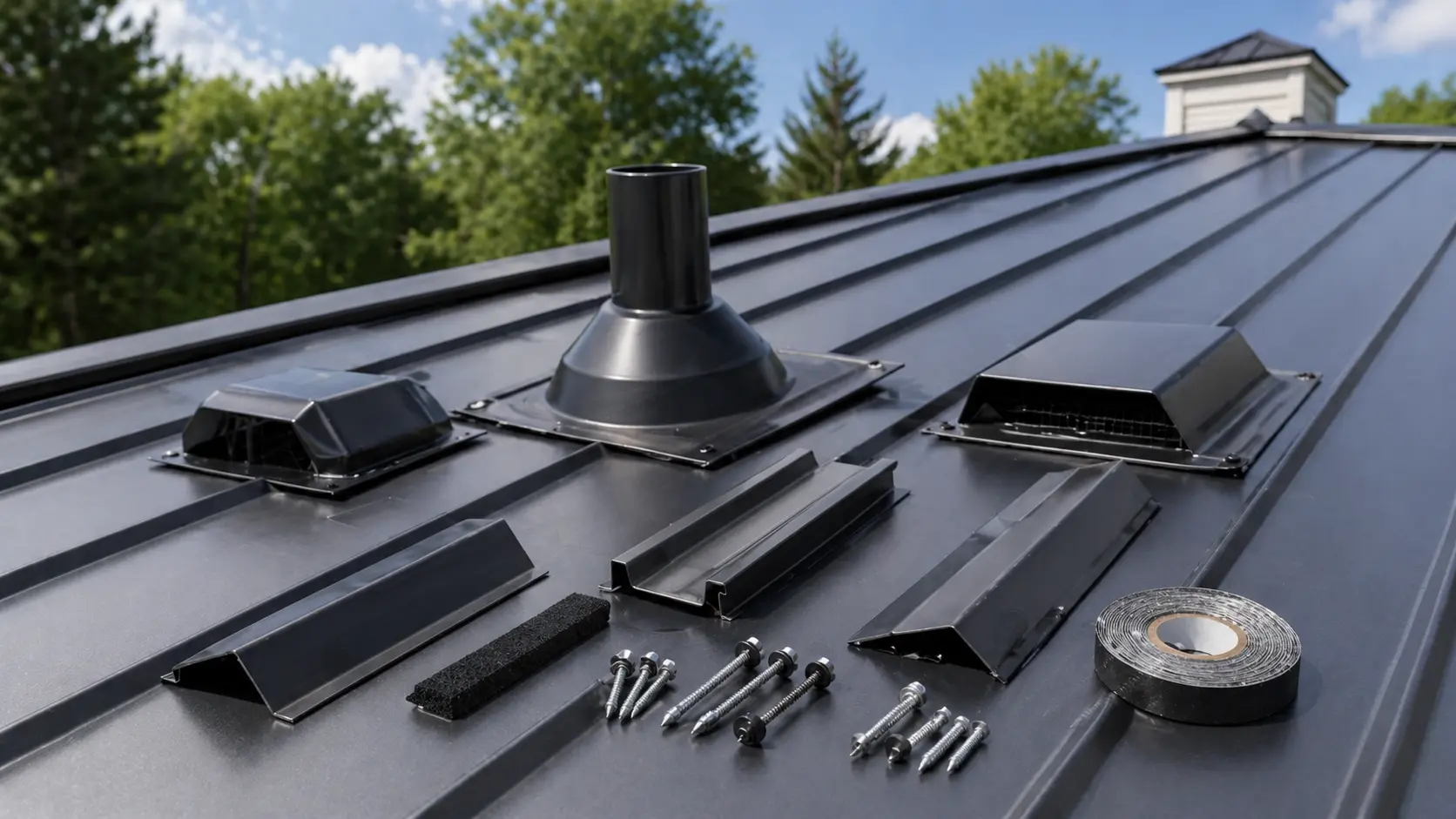
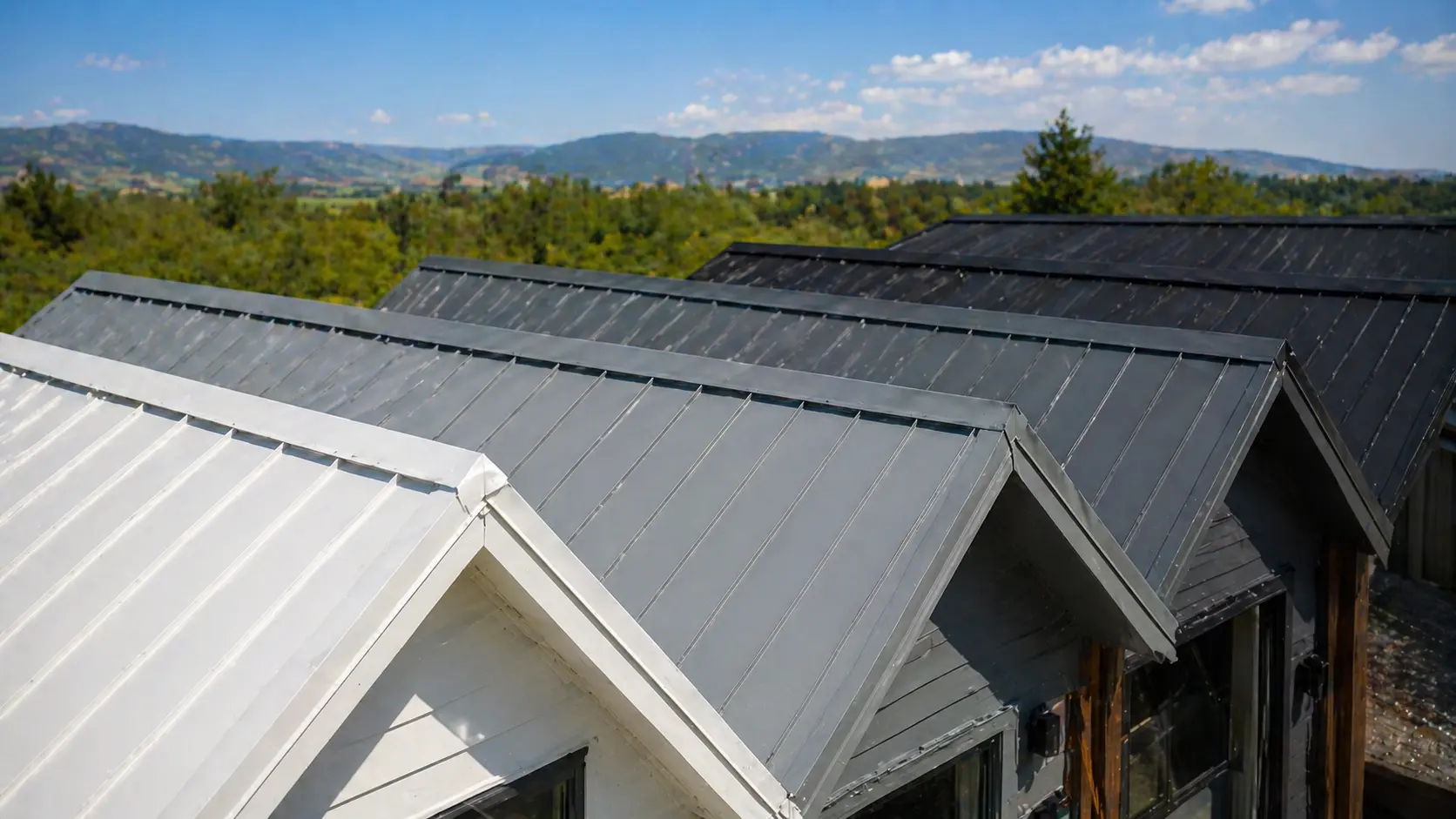
Metal panels are widely used because they offer strength, consistent manufacturing quality, and resistance to weather exposure. Choosing materials based on climate and intended use helps extend the lifespan of the building.
Determining the Ideal Layout and Orientation
Before construction planning moves forward, it is important to think through the interior layout. The 40×60 pole barn interior should align with how the space will be used on a daily basis.
Layout planning considerations include:
- Storage zones versus open work areas
- Ceiling height requirements
- Vehicle or equipment clearance
- Future expansion flexibility
Orientation also matters. Positioning the building to account for sunlight, wind exposure, and access paths can improve interior comfort and usability over time.
Structural Codes to Know Before You Start
Every pole barn project must account for local structural requirements. These codes are designed to ensure safety, durability, and long term performance.
Key structural factors include:
- Snow load requirements
- Wind resistance standards
- Soil conditions and load bearing capacity
Understanding these requirements early helps guide design decisions and material selection. Structural planning ensures the pole barn performs well under regional environmental conditions.
Preparing the Ground for Construction
Ground preparation is a critical planning step. A stable base supports structural alignment and helps manage moisture around the building.
Preparation considerations include:
- Site leveling
- Soil compaction
- Water flow management
A well prepared site supports consistent post placement and helps prevent shifting or settling over time.
Grading and Drainage Considerations
Proper grading and drainage protect the building from water related issues. Water should flow away from the structure rather than pooling around it.
Effective drainage planning includes:
- Sloped ground away from the building footprint
- Controlled runoff paths
- Moisture management around the perimeter
These steps help protect both the structure and the 40×60 pole barn interior from excess moisture.
Choosing the Right Pole Barn Foundation System
Pole barn foundation systems vary based on soil conditions and structural requirements. The foundation supports vertical posts and distributes loads evenly.
Common foundation approaches include:
- Embedded post systems
- Concrete piers or pads
- Hybrid systems based on site needs
Selecting the right foundation system helps maintain long term stability and alignment.
Bracing Techniques for Structural Integrity
Bracing plays an important role in maintaining rigidity and strength. Proper bracing supports resistance against wind and movement.
Bracing considerations include:
- Wall bracing for lateral stability
- Roof bracing for load distribution
- Connection reinforcement at key joints
Well planned bracing enhances structural reliability and extends the service life of the pole barn.
Choosing Insulation for Climate and Use
Insulation choices should align with how the pole barn will be used. Insulation supports temperature control and interior comfort.
Insulation planning factors include:
- Climate conditions
- Intended interior use
- Desired energy efficiency
Insulated buildings help protect stored equipment and support year round usability. Insulation planning also affects long term operating costs.
Final Touches and Clean Up
Final planning details focus on finishing elements that improve usability and appearance. These details complete the structure and prepare it for use.
Common finishing considerations include:
- Interior framing for designated areas
- Lighting layout planning
- Ventilation placement
Clean organization and thoughtful detailing make the space easier to use and adapt over time.
Maintenance Tips for Pole Barns
Long term performance depends on regular care. Maintenance helps preserve materials and structural consistency.
Helpful maintenance practices include:
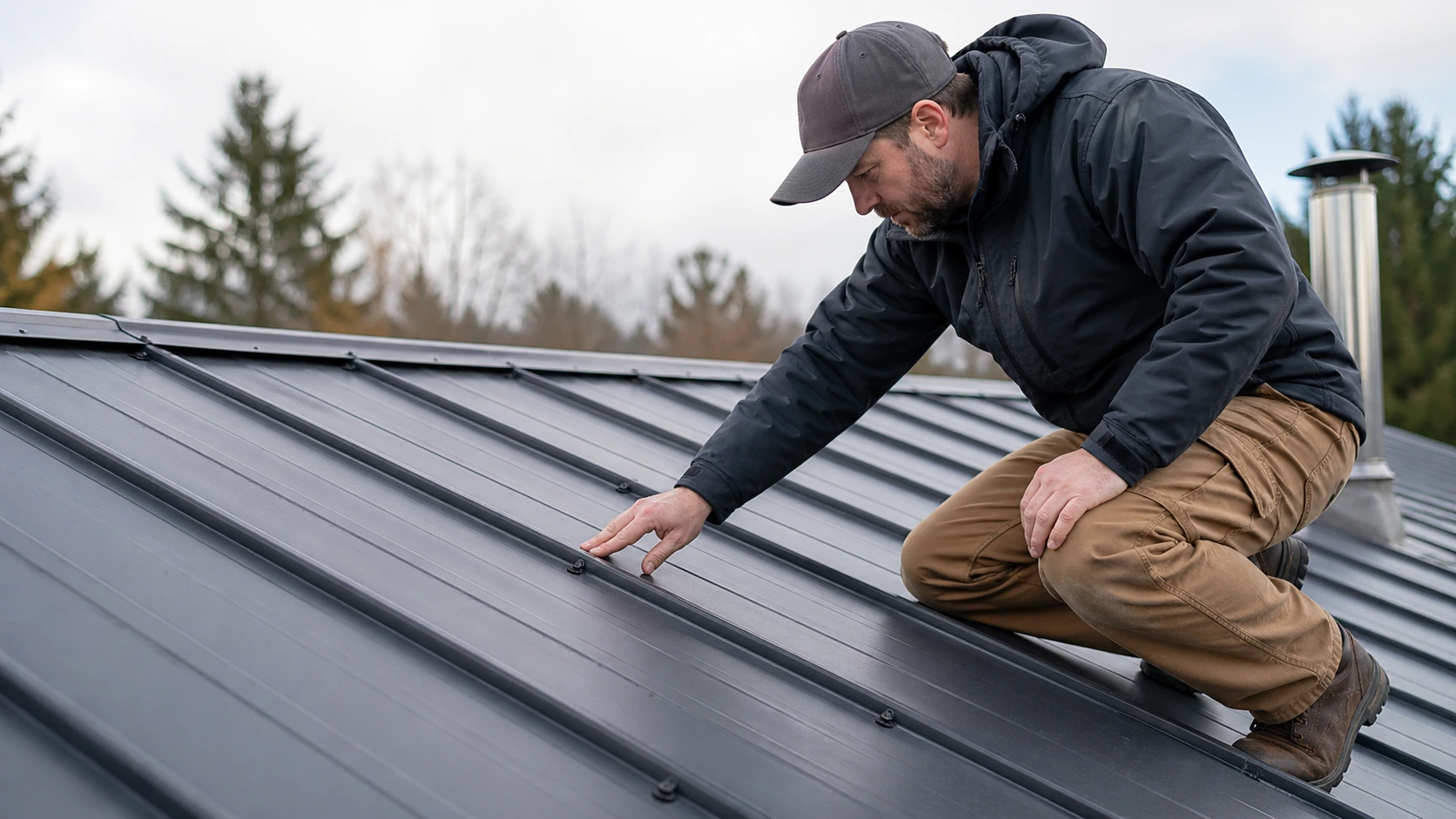
- Periodic visual inspections
- Monitoring for moisture or wear
- Keeping drainage paths clear
Routine attention helps protect the investment and ensures the pole barn remains functional for years.
Pole Barn Kits and Planning Options
Many property owners explore pole barn kits during planning. Pole barn kits provide pre-selected materials designed to work together.
A 40×60 pole barn kit can simplify planning by offering consistent material packages. Reviewing pole barn plans also helps visualize layout options and identify material needs before moving forward.
Those exploring material packages can review a 40×60 pole barn kit to better understand size options and component configurations.
Cost Considerations and Planning Ahead
The cost to build a pole barn varies based on materials, design complexity, and interior planning. While upfront cost matters, long term usability and durability are equally important.
Budget planning should include:
- Core materials
- Foundation systems
- Insulation planning
- Interior layout considerations
Clear planning helps align cost with performance expectations.
Conclusion
Building a 40×60 pole barn starts with careful planning and informed decision making. From choosing materials and designing the interior layout to understanding structural requirements and maintenance needs, each step contributes to long term success.
A well planned 40×60 pole barn offers flexibility, durability, and reliable performance across many uses. By focusing on layout, materials, and structural integrity from the start, you can create a building that supports your needs today and adapts well into the future.
FAQs
1. What is the first step in building a 40×60 pole barn?
The first step is planning the layout, intended use, and site conditions to guide design and material decisions.
2. How deep should the poles be set?
Pole depth depends on soil conditions and local structural requirements, which should be reviewed during planning.
3. Can I insulate a pole barn effectively?
Yes. Insulation planning based on climate and usage supports temperature control and interior comfort.
4. What materials are commonly used for roofing?
Metal panels are commonly used due to durability, strength, and consistent performance.