

Standing seam metal roof cost is one of the most searched topics by homeowners and builders who want a durable and long-lasting roofing solution. Many people compare metal roofing with traditional shingle roof options and wonder why pricing can vary so widely. Without clear information, it is easy to feel unsure about budgeting and long-term value.
Understanding the standing seam metal roof cost helps you plan smarter and avoid surprises. This guide explains what standing seam systems are, key features, pricing factors, and how it compares to other types of metal roofs. By the end, you will have a clear picture of how the cost of a metal roof connects with performance and lifespan.
What Are Standing Seam Metal Roofs?
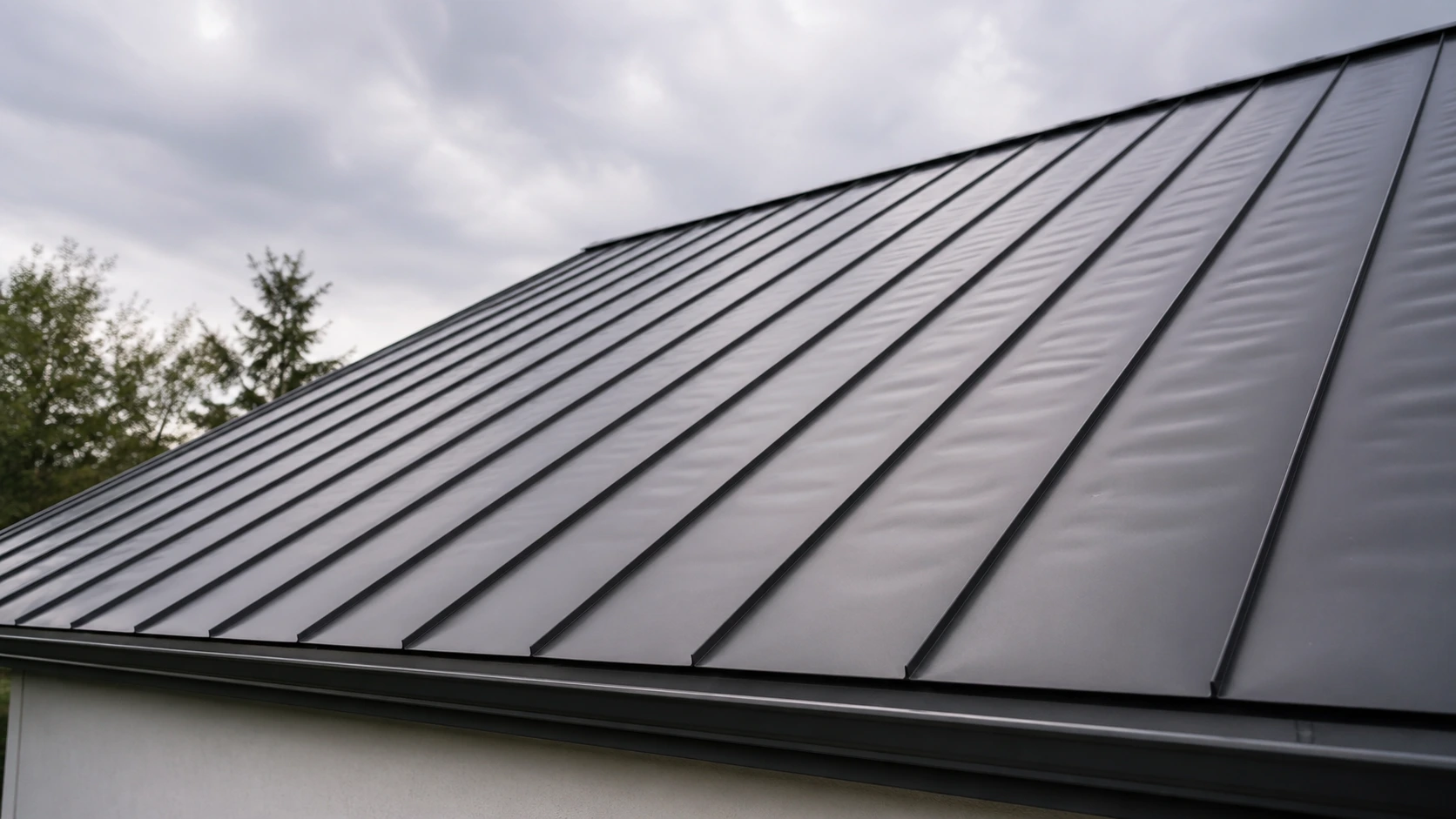
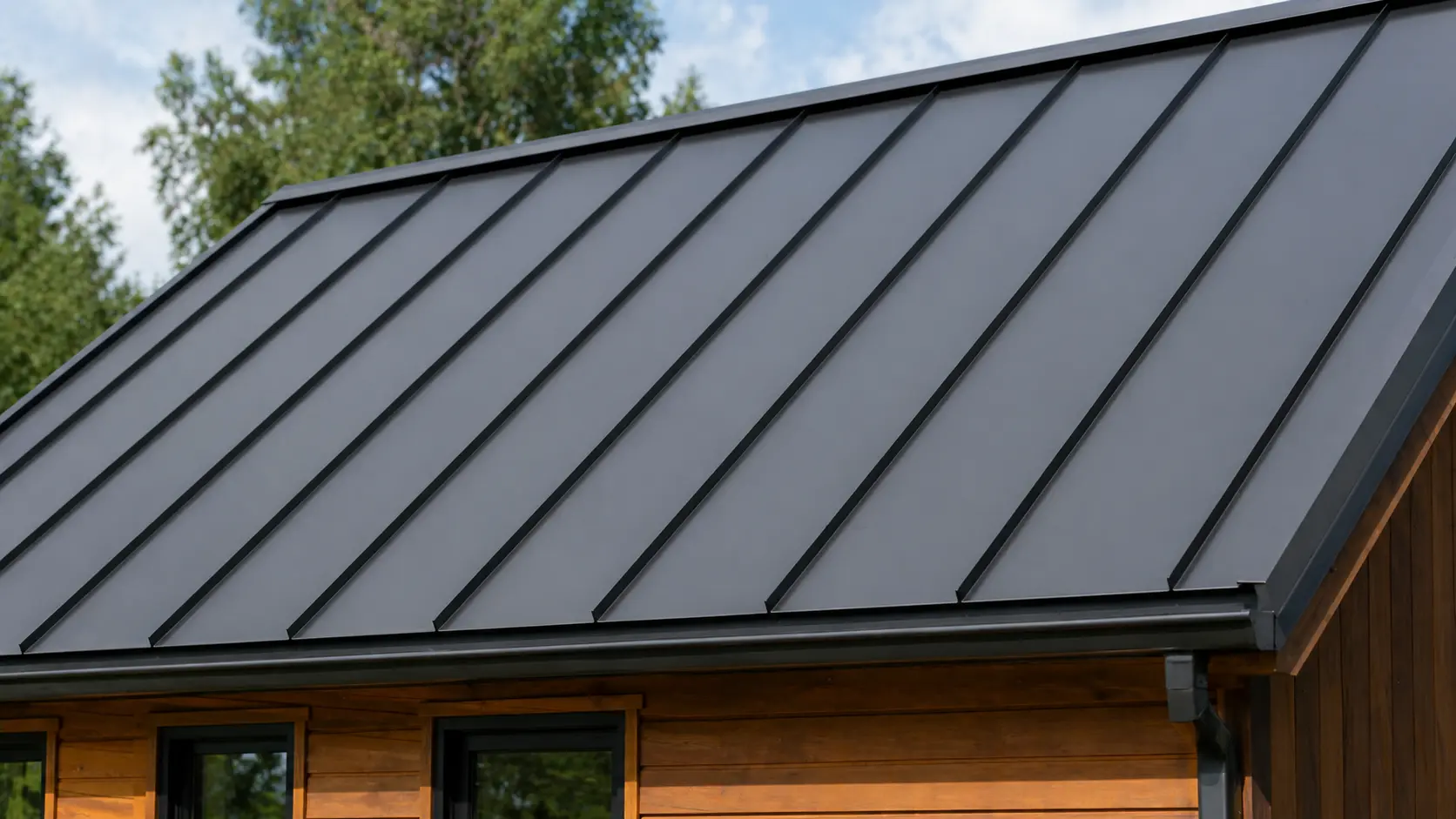
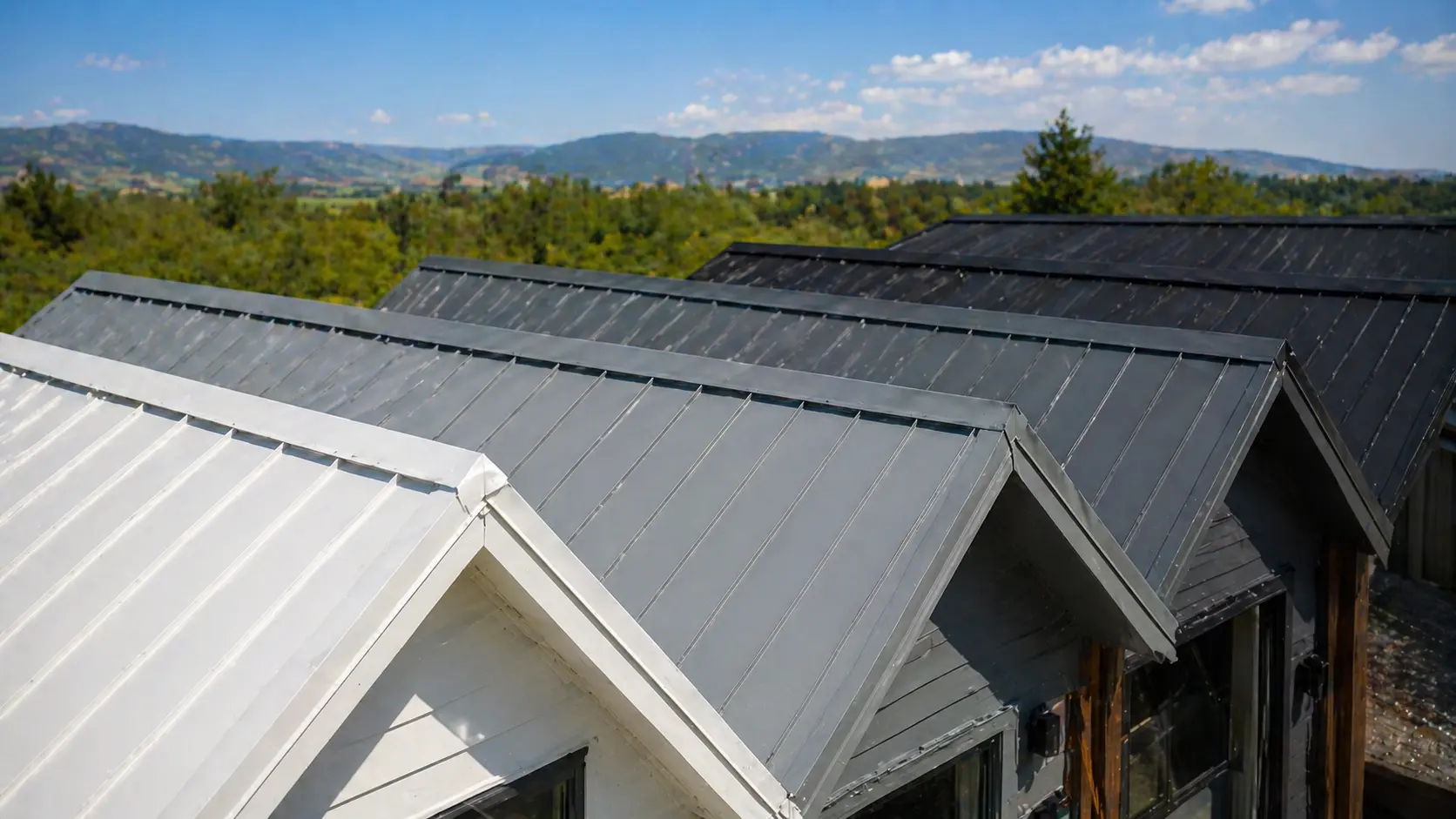
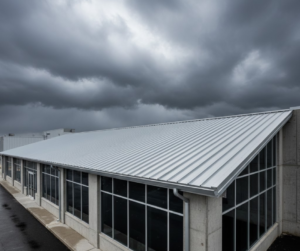
Standing seam metal roofs use long metal panels that run vertically from the ridge to the eave. Each panel connects through raised seams that sit above the flat surface of the roof. This design creates a clean appearance and supports consistent performance over time.
These systems differ from metal shingles and other materials because of their unique panel profile. Steel roofs are the most commonly used for standing seam panels due to their strength and predictable quality. Because of these characteristics, a standing seam metal roof is often associated with a higher upfront cost compared to many other roofing options.
The MS ClickLoc Standing Seam System
At The Metal Shop, our offering is built around two purpose-built product lines.
- Residential Standing Seam — MS ClickLoc: Our system features a concealed snap-loc design. Key specs include 24- or 26-gauge metal, a 2” architectural rib profile, and a high-performance paint system.
- Commercial Standing Seam: For larger projects, our commercial line is engineered for Michigan’s most extreme elements. These steel roofs feature concealed clip-fastening and structural rib profiles.
Both systems are manufactured in-house at our Bellevue, Michigan facility to strict dimensional tolerances.
Factors That Influence Standing Seam Metal Roof Cost
The total metal roof cost is not a single fixed number. Several factors determine how much material will cost for a specific project:
- Type of Metal: Steel, aluminum, copper, and zinc each carry different price points.
- Panel Gauge: 24-gauge is heavier and more rigid than 26-gauge; gauge affects both performance and cost.
- Roof Size and Complexity: More square footage and complex layouts increase material quantity.
- Finish Selection: Standard finishes cost less than specialty or custom colors, especially when comparing energy efficient metal roof colors.
Average Cost Range for Standing Seam Metal Roofing
When asking about the standing seam metal roof cost, most people want a realistic range. Based on current market conditions, standing seam materials typically average $225 to $350 per square (one square = 100 square feet), depending on complexity.
| Roof Type | Typical Cost Range (Materials) | Lifespan Expectation |
| Standing Seam Metal Roof | $225–$350 per square | 40–70+ years |
| Metal Shingles | Mid to high range | 30–50 years |
| Asphalt Shingle Roof | Lower upfront range | 15–25 years |
This highlights why the cost of a metal roof should be evaluated alongside lifespan rather than upfront price alone.
Long-Term Value and Return on Investment
While the standing seam metal roof cost looks high at first glance, the long-term value is unmatched. These roofs are designed to last significantly longer than a traditional shingle roof.
- Fewer Replacements: One metal roof often outlasts three shingle roofs.
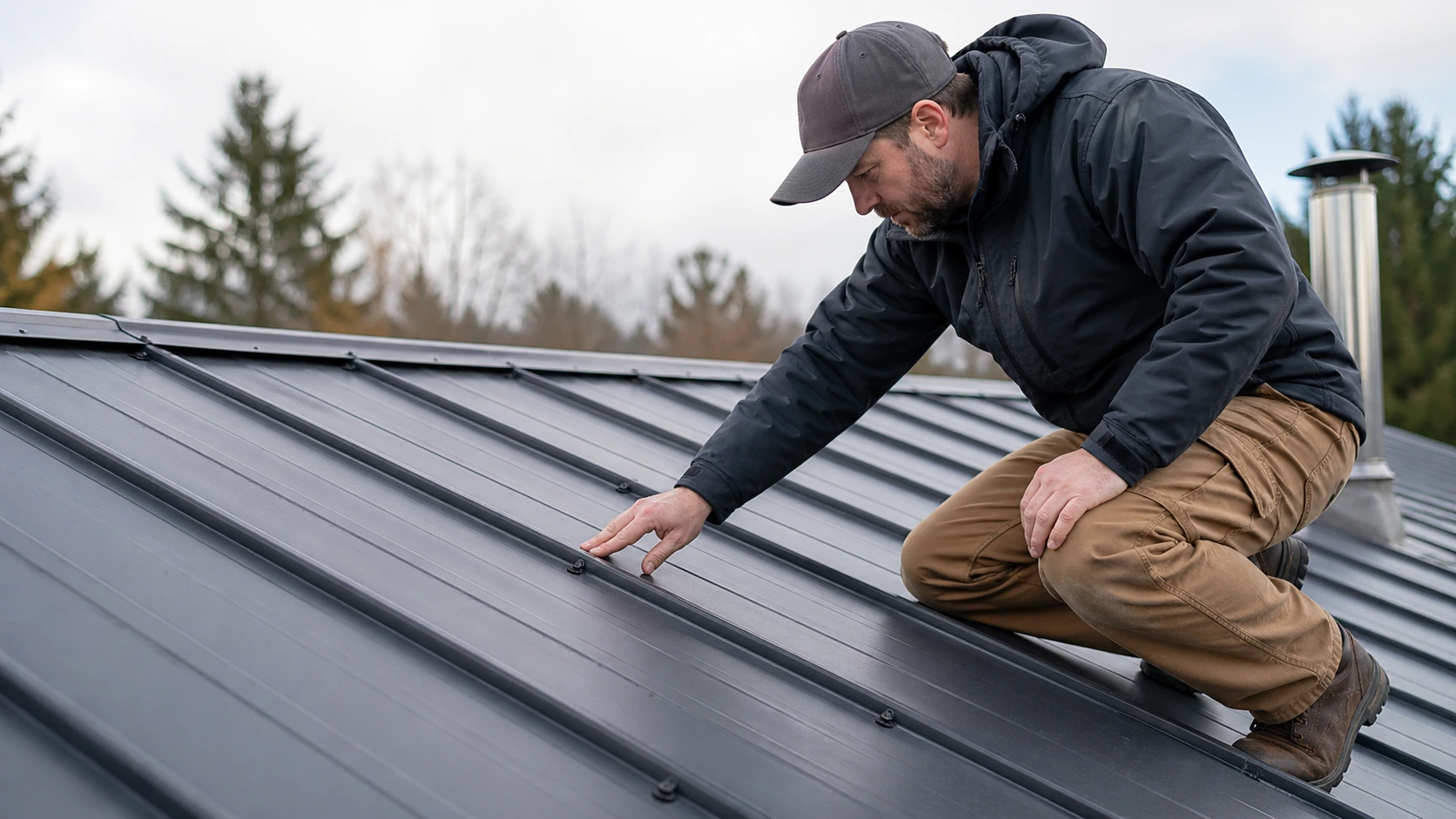
- Metal Roof Maintenance: These systems require significantly less upkeep over time.
- Property Value: High-quality steel roofs can positively impact resale value.
- Warranty: Our finishes are backed by a 40-year manufacturer’s warranty.
When comparing metal roof vs. shingles, the reduced replacement cycle often offsets the initial cost difference over the decades.
Cost-Saving Tips and Ways to Reduce Expenses
Although the standing seam metal roof cost is higher upfront, there are ways to manage expenses:
- Choose Standard Finishes: Opt for standard colors instead of specialty coatings.
- Optimize Gauge: Select 26-gauge panels for residential applications where structural loads allow.
- Factory-Direct: Work with a manufacturer like The Metal Shop to eliminate distributor markups.
- Precise Measurements: Accurate materials ordering reduces waste.
Conclusion
Your total standing seam metal roof cost depends on the specific materials, gauge, and finish you select. While the upfront investment is higher than a standard shingle roof, the 40-to-70-year lifespan makes it a fiscally responsible choice for many.
At The Metal Shop, we specialize in manufacturing high-quality standing seam panels that provide lasting protection. We offer free estimates to help you plan your project accurately.
FAQs
1. What is the average standing seam metal roof cost?
Materials typically average $225 to $350 per square, depending on the metal gauge and finish selected.
2. How does metal roof maintenance affect long-term cost?
Low metal roof maintenance requirements mean you spend less on repairs over the years compared to traditional asphalt.
3. Why choose standing seam over metal shingles?
While metal shingles are a great option, standing seam provides a sleek, modern look with fewer failure points due to the concealed fastening system.
4. Is a steel roof better for Michigan winters?
Yes. Steel roofs are manufactured to handle heavy snow loads and freeze-thaw cycles better than almost any other material.
5. Does The Metal Shop provide custom lengths?
Absolutely. We roll-form our standing seam panels to your specific measurements to minimize waste and cost.