
What is board and batten style siding is a question many homeowners and builders ask when exploring exterior and interior design styles that feel structured, clean, and timeless. The vertical look stands out immediately, yet the details behind how board and batten works, where it originated, and which materials perform best are not always clear. Without the right understanding, it can be difficult to decide whether this style fits a specific home or building.
Board and batten has remained popular because it balances visual character with flexibility. It works across traditional homes, modern designs, and even interior feature walls. This guide explains what the style is, where it comes from, the materials used, and how it compares with other siding options commonly seen across the US.
What Board and Batten Is
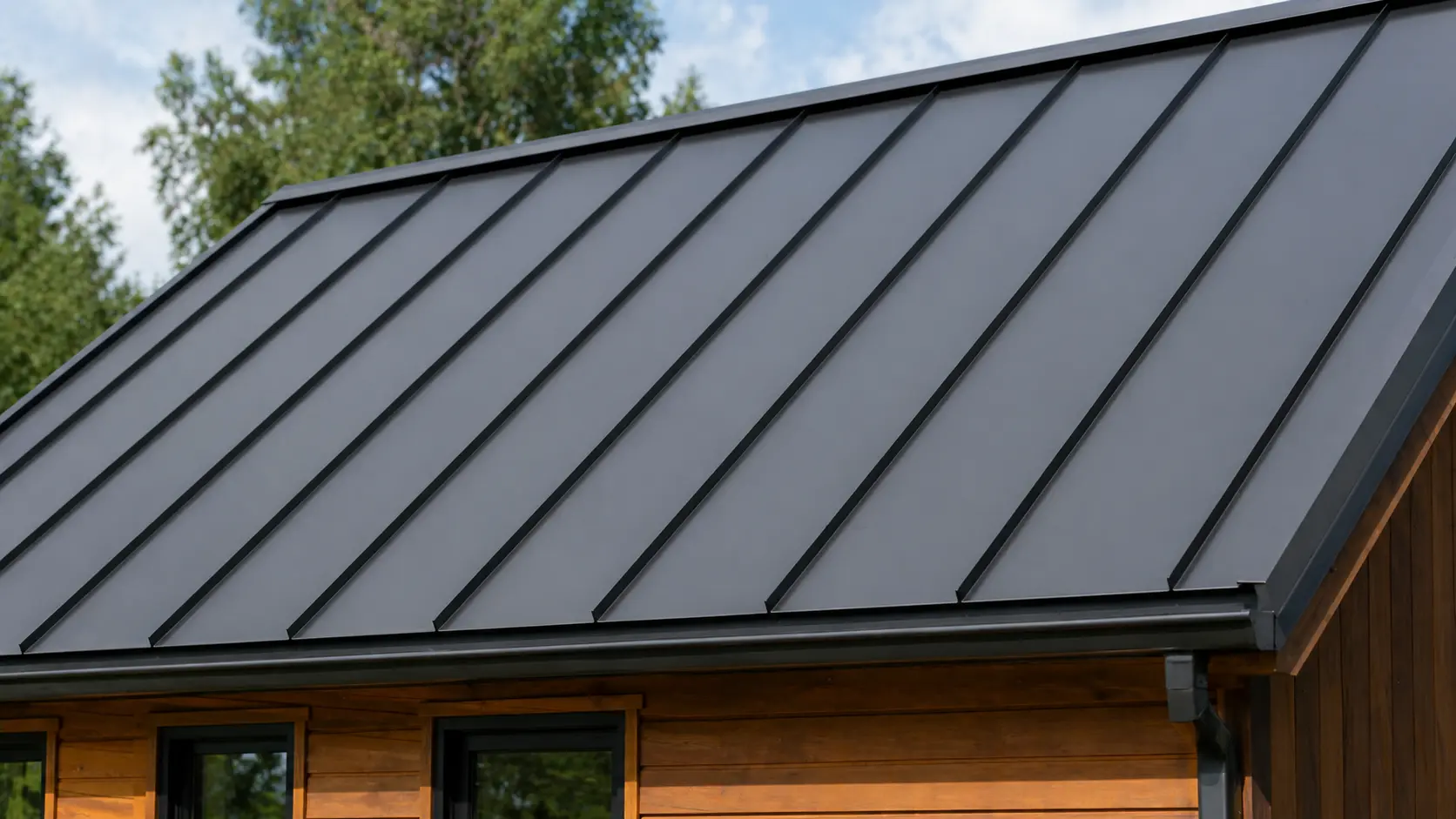
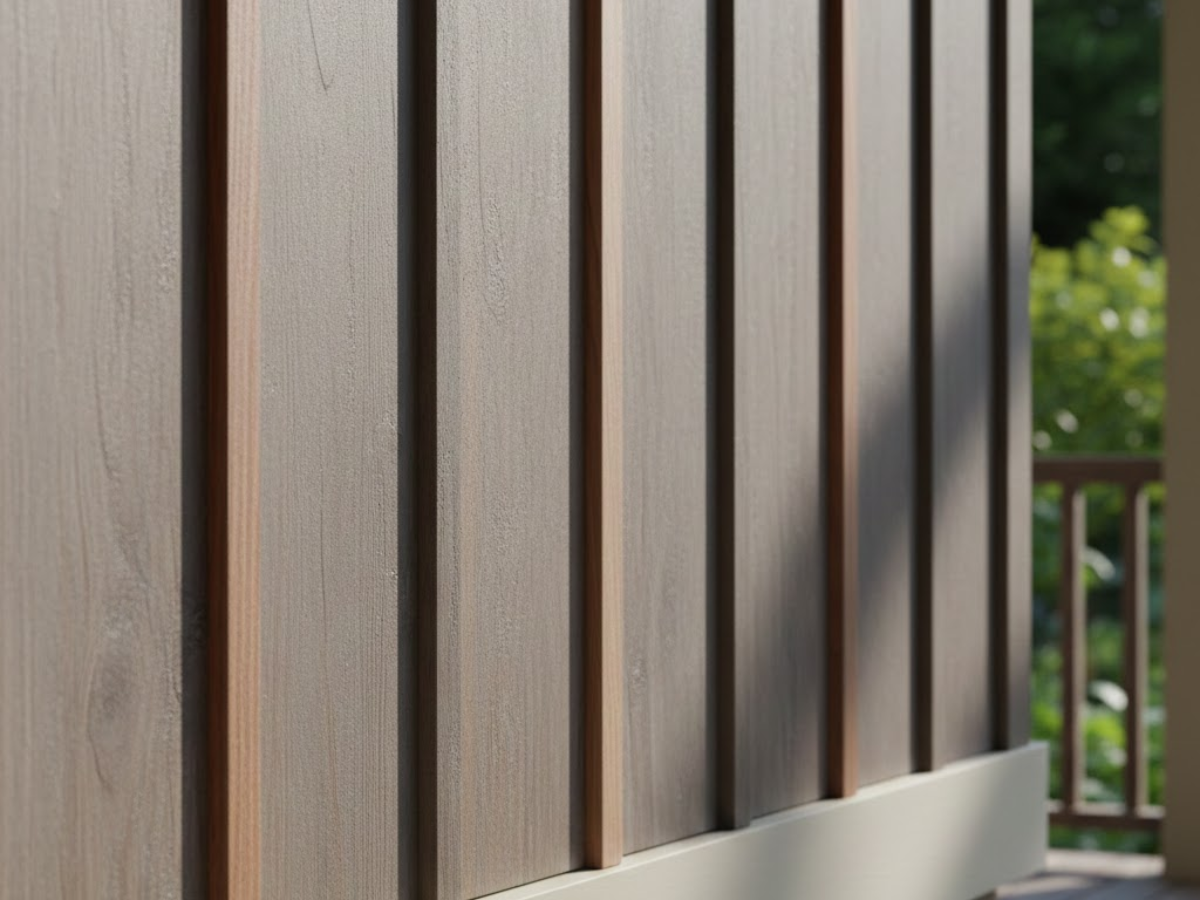
Board and batten is a design approach that uses wide vertical boards combined with narrow strips called battens. The batten board covers the seams between the boards, creating a layered and defined pattern.
This style is commonly used for:
- Exterior siding on homes and buildings
- Interior board and batten wall accents
- Barn style and farmhouse-inspired designs
- Modern residential exteriors
Vertical board and batten siding creates strong lines that draw the eye upward. This visual effect often makes a structure appear taller and more balanced. Because of this, it works well on both small homes and larger agricultural buildings.
History and Origins of Board and Batten
Historically, board and batten originated as a practical building method rather than a decorative one. Early builders used wide wood boards to cover exterior walls and placed narrow battens over the seams to block wind and moisture.
This approach became common in barns, sheds, and rural homes across early American landscapes. As building materials evolved, it moved beyond agricultural use and became a recognizable architectural style. Today, it is used for both exterior and interior design. Reverse board and batten siding later developed as a variation, offering a slightly different visual rhythm while keeping the same vertical emphasis.
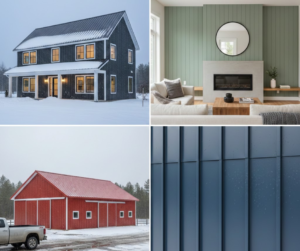
Materials Used in Board and Batten
Board and batten siding can be manufactured using several materials, each offering different performance characteristics.
- Wood: The most traditional option, providing natural texture. However, wood requires more ongoing maintenance to prevent rot.
- Vinyl Siding: A lightweight alternative that mimics the look with reduced upkeep. It is often chosen for residential homes seeking a consistent appearance at a lower cost.
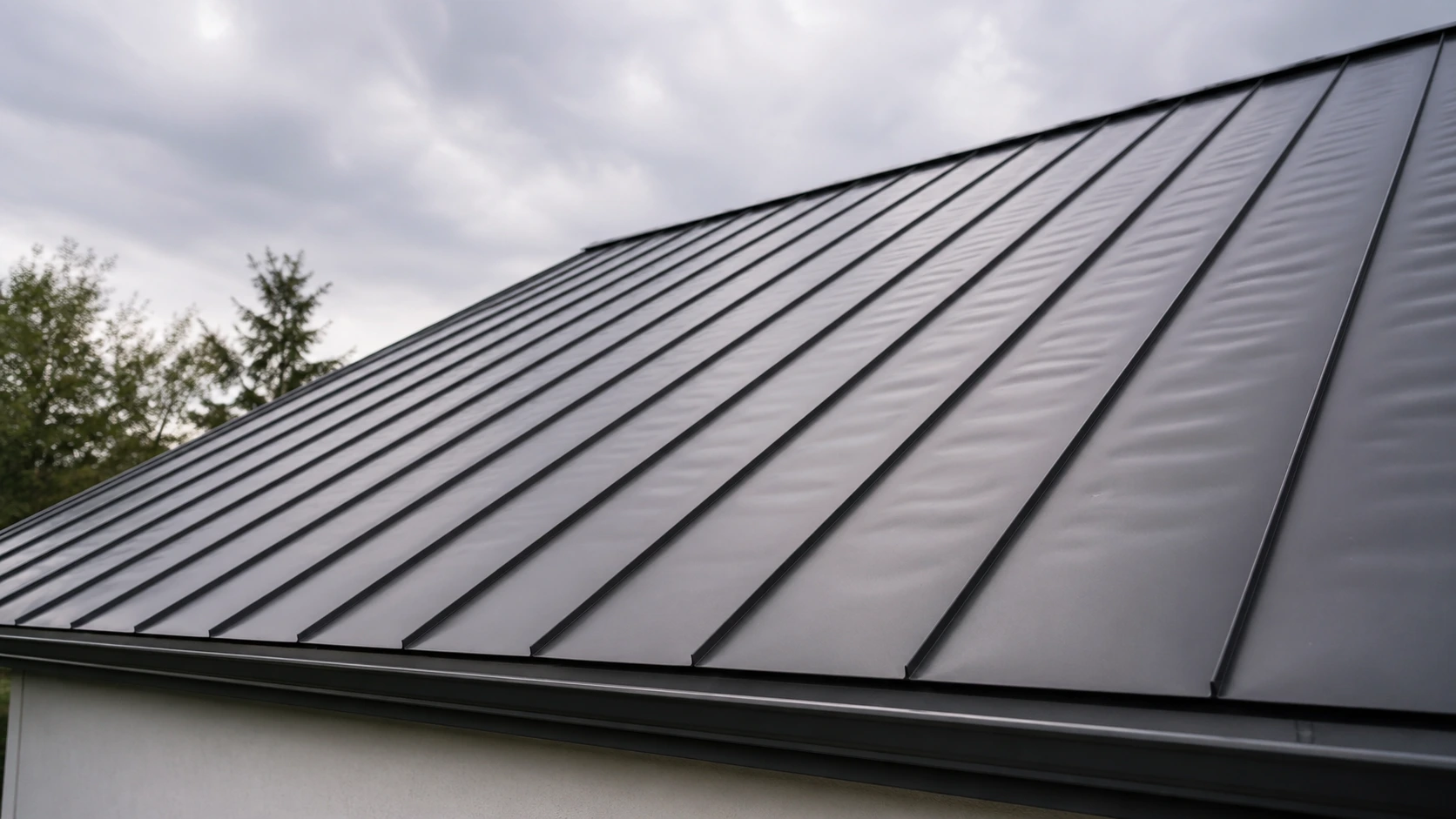
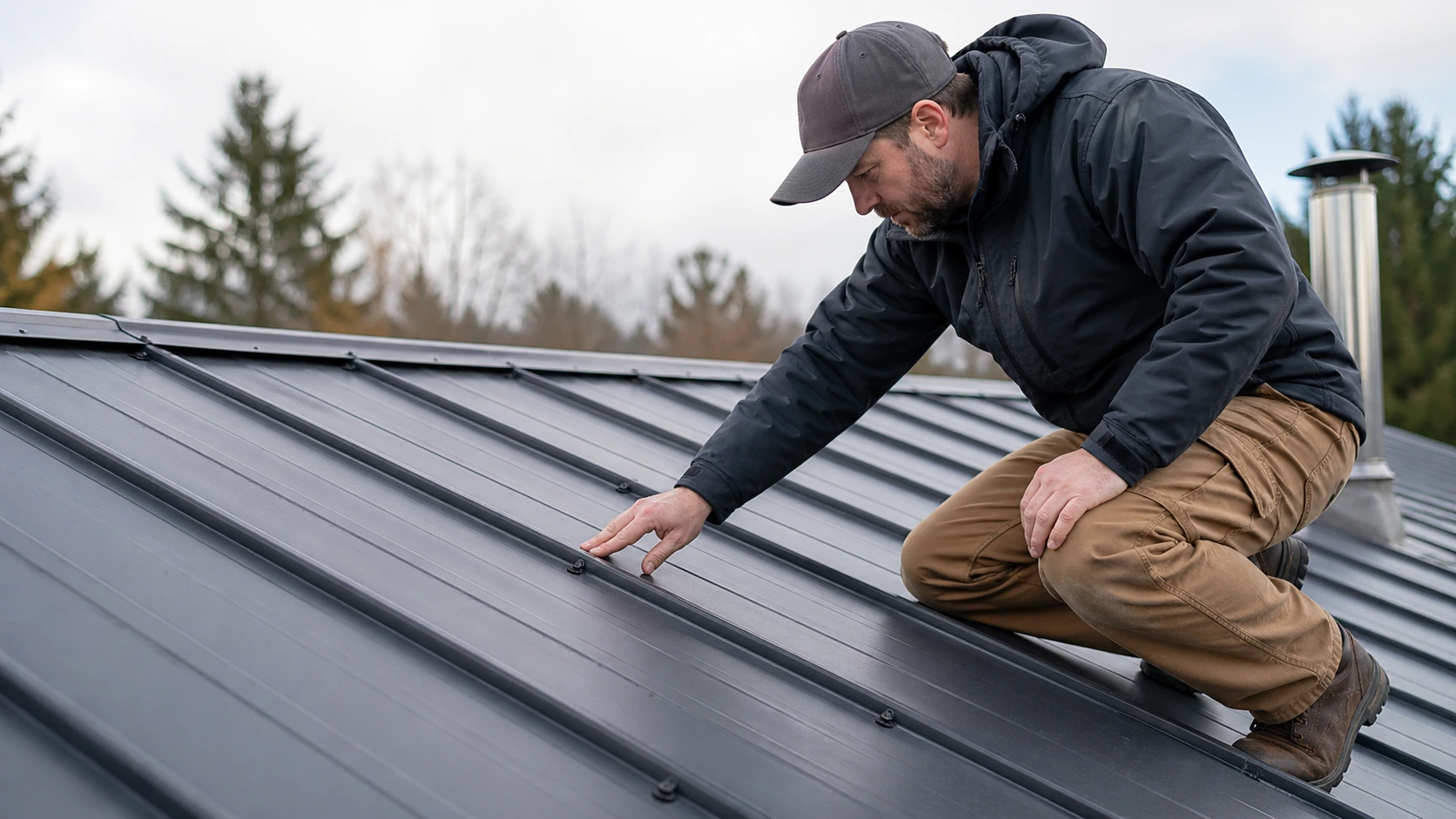
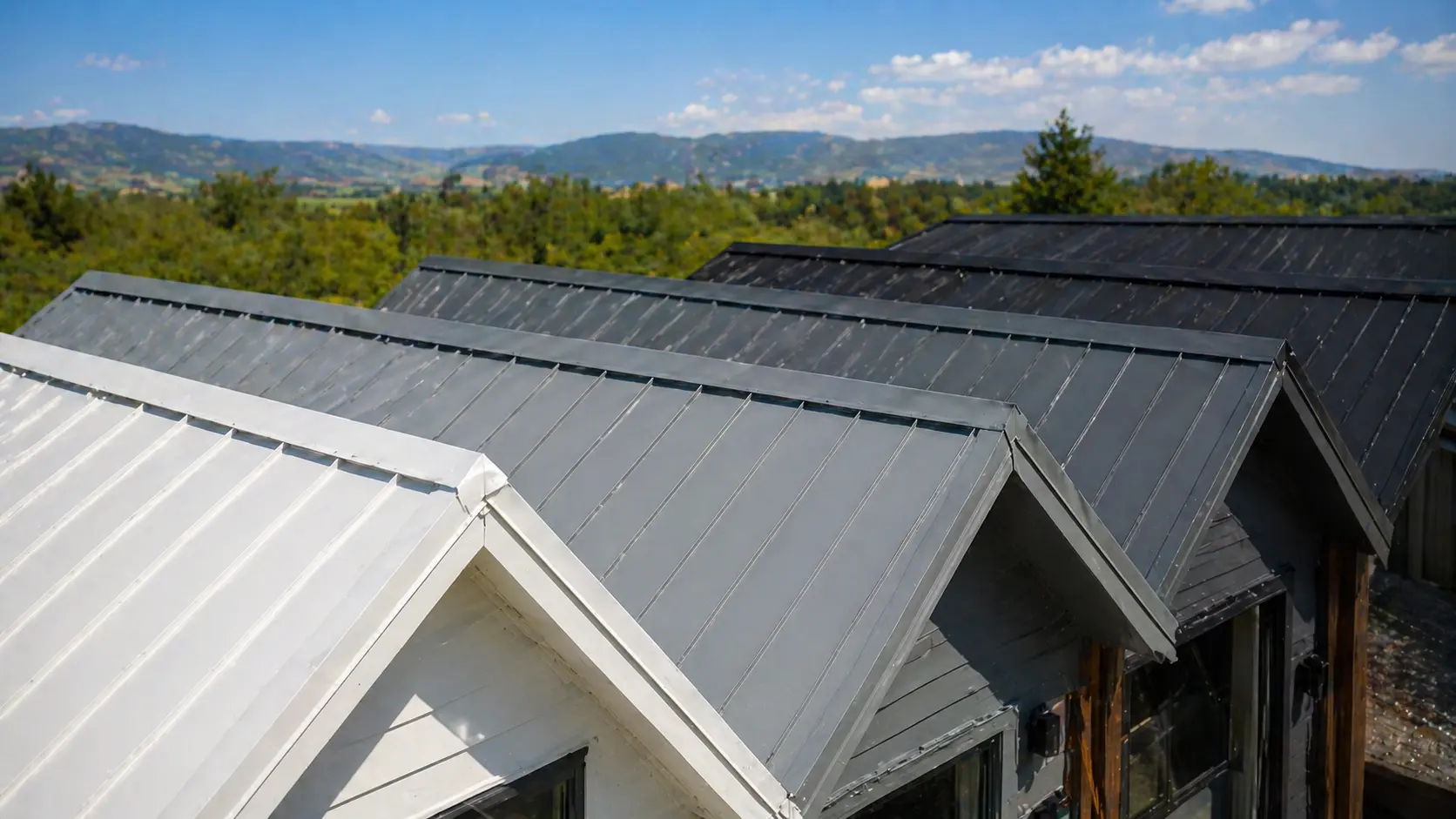
- Metal Panels: Increasingly popular due to durability and precision manufacturing. Metal panels maintain clean spacing and sharp vertical lines across decades of use, especially when using board and batten metal siding.
For Michigan homeowners, especially, metal is worth serious consideration. The material handles freeze-thaw cycles and heavy snow loads without warping or cracking—challenges that wood and vinyl siding can struggle with over time.
Design Variations and Styles
One of the strengths of this style is its adaptability. Popular design variations include:
- Traditional board and batten with evenly spaced battens.
- Vertical board and batten siding using wider boards for a bold look.
- Reverse board and batten siding for subtle depth and contrast.
- Board and batten wall designs are used as interior accents.
Spacing also affects appearance. Narrow spacing creates a more detailed look, while wider spacing results in a cleaner and more modern style.
Benefits of Choosing Board and Batten
Key benefits include:
- Timeless design that works across architectural styles.
- Vertical lines that enhance visual height.
- Flexibility for exterior and interior board and batten wall use.
- Compatibility with wood, vinyl, and metal.
- Strong resale appeal—buyers recognize and value the style.
Comparing Board and Batten With Other Siding Options
| Siding Style | Visual Style | Durability | Maintenance Level |
| Board and Batten | Vertical and structured | High (with metal) | Low to moderate |
| Vinyl Siding | Horizontal and uniform | Medium | Low |
| Wood Siding | Natural texture | Medium | High |
Board and batten siding stands out for its strong vertical emphasis and design flexibility. When produced using durable materials, it provides long-term value and visual distinction.
Board and Batten in Modern Home Design
Modern home design often blends clean lines with traditional influences. This style fits the trend by offering a classic pattern that works well with contemporary color palettes. Vertical board and batten siding pairs well with large windows, simple rooflines, and mixed exterior finishes like stone.
Essential Tips for Success
Getting the look right is just as important as choosing the right material.
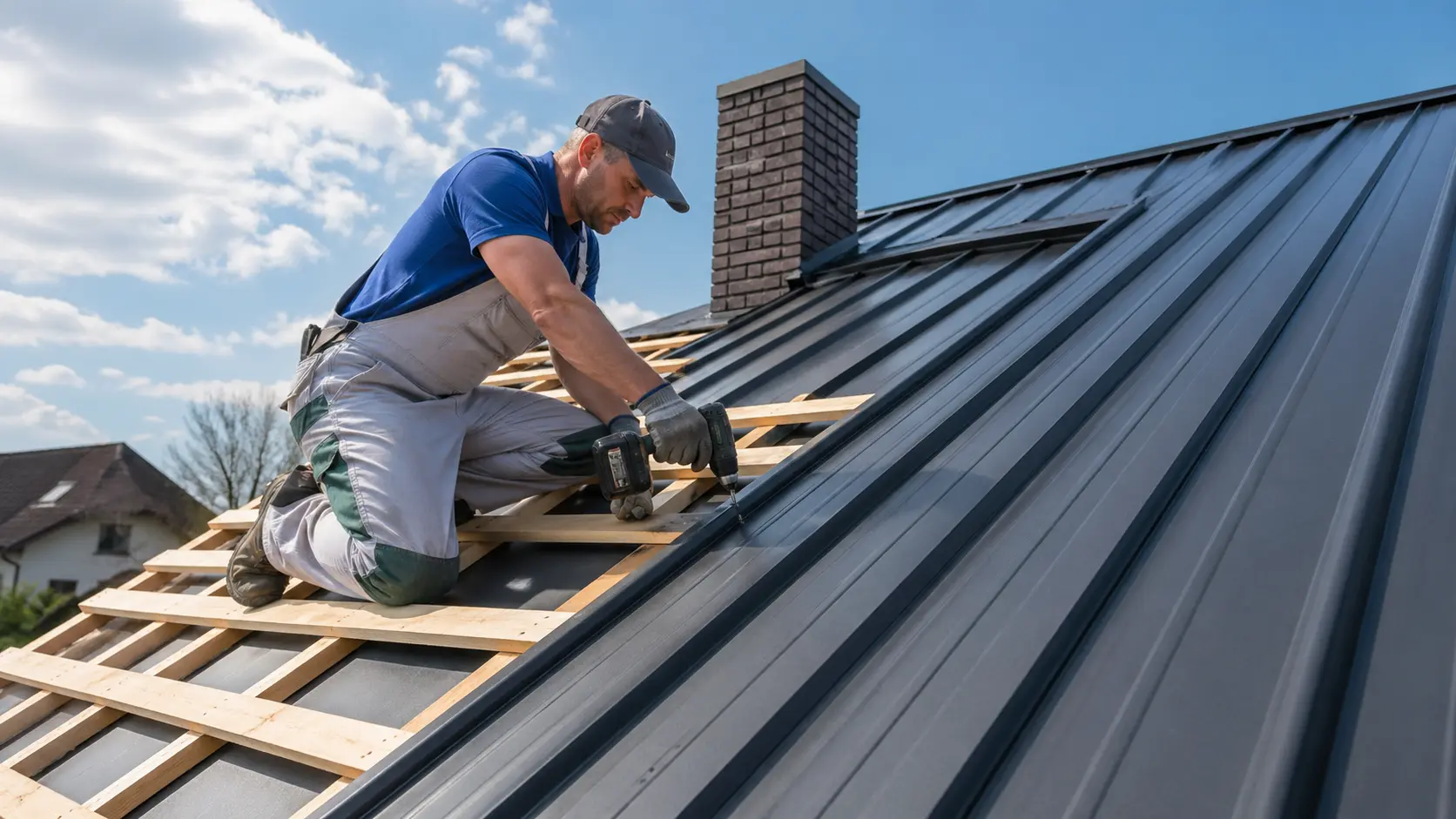
- Measure carefully: Consistent batten board spacing requires a precise layout.
- Use the right fasteners: Ensure they are compatible with your chosen siding to avoid corrosion.
- Start plumb: Vertical siding must begin perfectly level, or small errors compound quickly.
- Seal penetrations: Around windows and doors, proper flashing prevents moisture intrusion.
Conclusion
Understanding what board and batten style siding is helps homeowners and designers make confident choices. This style combines history, structure, and flexibility, making it a lasting option for any home.
By selecting the right materials and design variations, you can enhance both the appearance and long-term value of a building. For Michigan residents, metal options offer the added advantage of climate-engineered performance that holds up through decades of harsh winters.
FAQs
-
Where can board and batten be used?
It can be used on exterior siding, interior board and batten wall accents, garages, and pole barns.
-
What materials are available?
Common materials include wood, vinyl siding, and metal panels. Metal is increasingly preferred for its durability.
-
Is board and batten siding expensive?
Cost depends on the material. Metal and vinyl often provide strong long-term value with lower upkeep needs.
-
How does it hold up in Michigan winters?
Metal panels are specifically suited for the climate. They resist moisture and do not warp in freezing temperatures compared to wood or vinyl siding.
-
Can I get custom profiles?
Yes, while our standard size covers a 10″ width, we offer many colors and custom options to fit your style.