

How long does a metal roof last is one of the most common questions homeowners and builders ask when comparing roofing materials. Many people worry about frequent roof replacement, rising material costs, and long-term durability when choosing between types of metal roofs and traditional shingle roof options. Without clear information, it becomes difficult to judge whether a standing seam metal roof is truly a long-term solution.
Standing seam systems are widely known for durability and consistent performance, but lifespan depends on several factors. This guide explains how long steel roofs typically last, what influences their longevity, and how to evaluate cost versus long-term value.
What Is a Standing Seam Metal Roof?
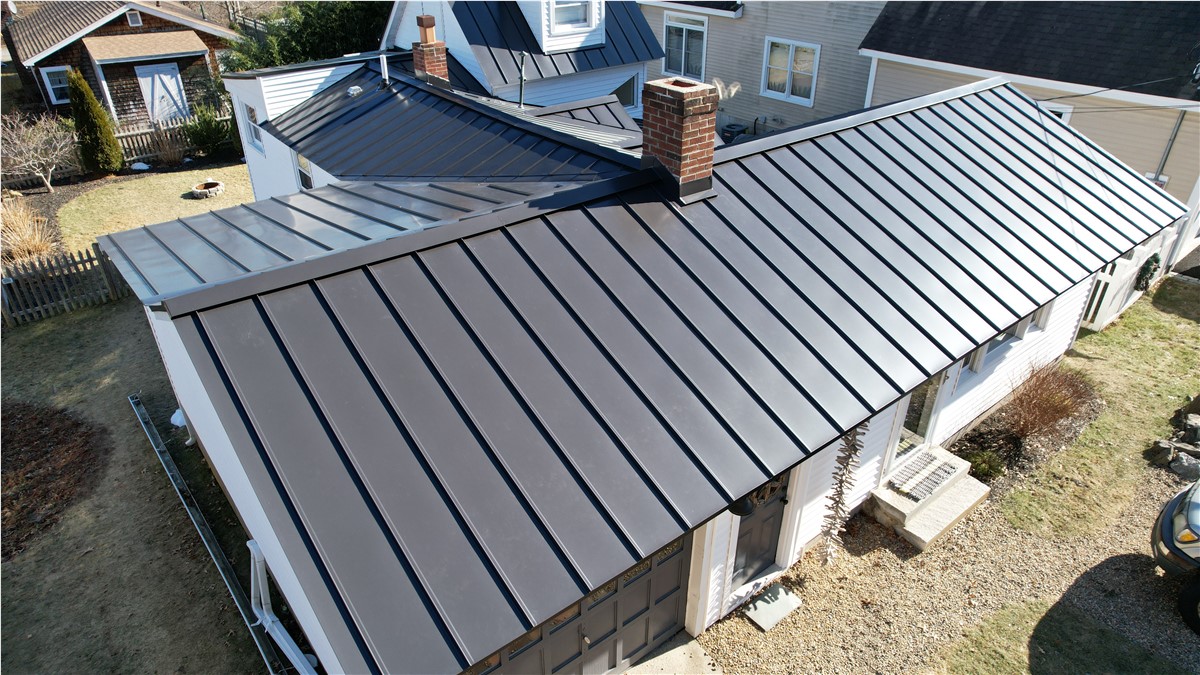
A standing seam metal roof is a roofing system made from continuous metal panels that run vertically along the roof surface. The panels feature raised seams where each section connects, creating a clean and uniform appearance.
Standing seam systems are different from metal shingles because the seam is elevated above the panel surface. This design supports consistent performance and helps protect the roofing materials over time. The Metal Shop manufactures these panels using high-strength metal to contribute to structural reliability.
Why Standing Seam May Be the Best Metal Roof Product on the Market
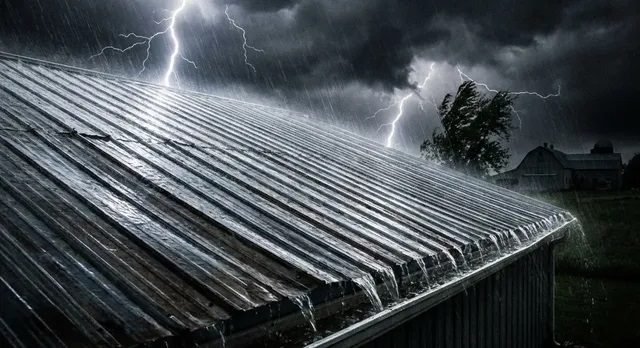
Drive down any rural road in Michigan, and you will eventually spot it—an old barn decades past its last good year. But the metal roof is still there. That staying power comes down to one simple design principle: fewer seams, fewer failure points.
While metal shingles are a quality product, a single roof requires many individual pieces. Standing seam takes a different approach; each panel runs continuously from the top of the roof to the bottom. It is about as close to a one-piece roofing system as you can get. When you layer in modern steel roofs with Galvalume® coatings and a 40-year finish warranty, you get a product that outlasts a shingle roof by decades.
Typical Lifespan of Standing Seam Metal Roofs
On average, how long does a metal roof last? A standing seam metal roof can last 40 to 70 years when produced with quality materials, with some installations performing well beyond that range.
In the debate of metal roof vs shingles, metal wins on lifespan by a wide margin. While a shingle roof typically requires replacement every 15 to 25 years, standing seam roofs are known for a service life that can span half a century or more.
Factors That Influence Lifespan
Several factors affect the lifespan of your investment. Key factors include:
- The specific metal used in the panels.
- Quality of manufacturing and seam consistency.
- Metal roof maintenance habits.
- Exposure to environmental conditions.
Panels coated with premium paint systems—such as the AkzoNobel CERAM-A-STAR® finish—add an additional layer of protection against UV degradation and moisture.
How Weather and Climate Affect Durability
Michigan’s climate brings heavy snowfall and freeze-thaw cycles that accelerate wear on traditional roofing. Steel roofs are specifically engineered for these demands:
- Heavy Snow: Smooth panels allow snow to shed, reducing stress on the roof.
- Freeze-Thaw: Metal expands and contracts without compromising the seam.
- Wind: Raised profiles keep water out and resist uplift pressure.
Maintenance Tips to Extend Roof Life
Even the most durable materials benefit from regular care. Proper metal roof maintenance includes:
- Periodic visual inspections for surface wear.
- Keeping debris away from the seam and roof surfaces.
- Ensuring gutters remain clear.
- Checking fasteners and trim after severe weather.
Cost vs. Longevity: Is It Worth It?
When comparing metal roof vs shingles, consider the long-term math. Standing seam has a higher upfront cost, but:
- Longer Lifespan: 40–70+ years vs. 15–25 for shingles.
- Reduced Replacement: One metal roof often outlasts three shingle roofs.
- Energy Efficiency: Metal reflects solar heat, reducing cooling costs.
Comparison of Roof Types
| Roof Type | Average Lifespan | Durability Level | Maintenance Needs |
| Standing Seam Metal Roof | 40–70+ years | High | Low |
| Metal Shingles | 30–50 years | Medium to High | Moderate |
| Shingle Roof | 15–25 years | Medium | Higher |
Conclusion
So, how long does a metal roof last? With the right materials and manufacturing quality, a standing seam system is a 40-to-70-year solution. Their durability and clean design make them a premier alternative to traditional shingles. By understanding the factors that influence lifespan, homeowners can make a confident investment in their property’s future.
FAQs
1. How long can a standing seam metal roof last?
A standing seam metal roof typically lasts 40 to 70 years, significantly longer than a standard shingle roof.
2. Does the type of metal affect lifespan?
Yes. Steel roofs and high-quality coatings like AkzoNobel CERAM-A-STAR® are essential for reaching a 70-year lifespan.
3. How often is metal roof maintenance required?
A simple visual inspection once or twice a year is usually enough to ensure the seam and panels remain in top condition.
4. Standing seam vs. metal shingles: which lasts longer?
While both are durable, standing seam generally has a longer lifespan because it has fewer failure points and concealed fasteners.
5. Does The Metal Shop offer a warranty?
Yes—our panels and trims carry a 40-year manufacturer warranty, ensuring your roofing investment is protected.
Read Blogs on Board and batten